Nicaragua Coffee: Flavor Profile & Tasting Notes
Explore the Nicaraguan coffee flavor profile: chocolate, citrus, and honey notes by region, plus SHG grading, varieties, and processing methods.
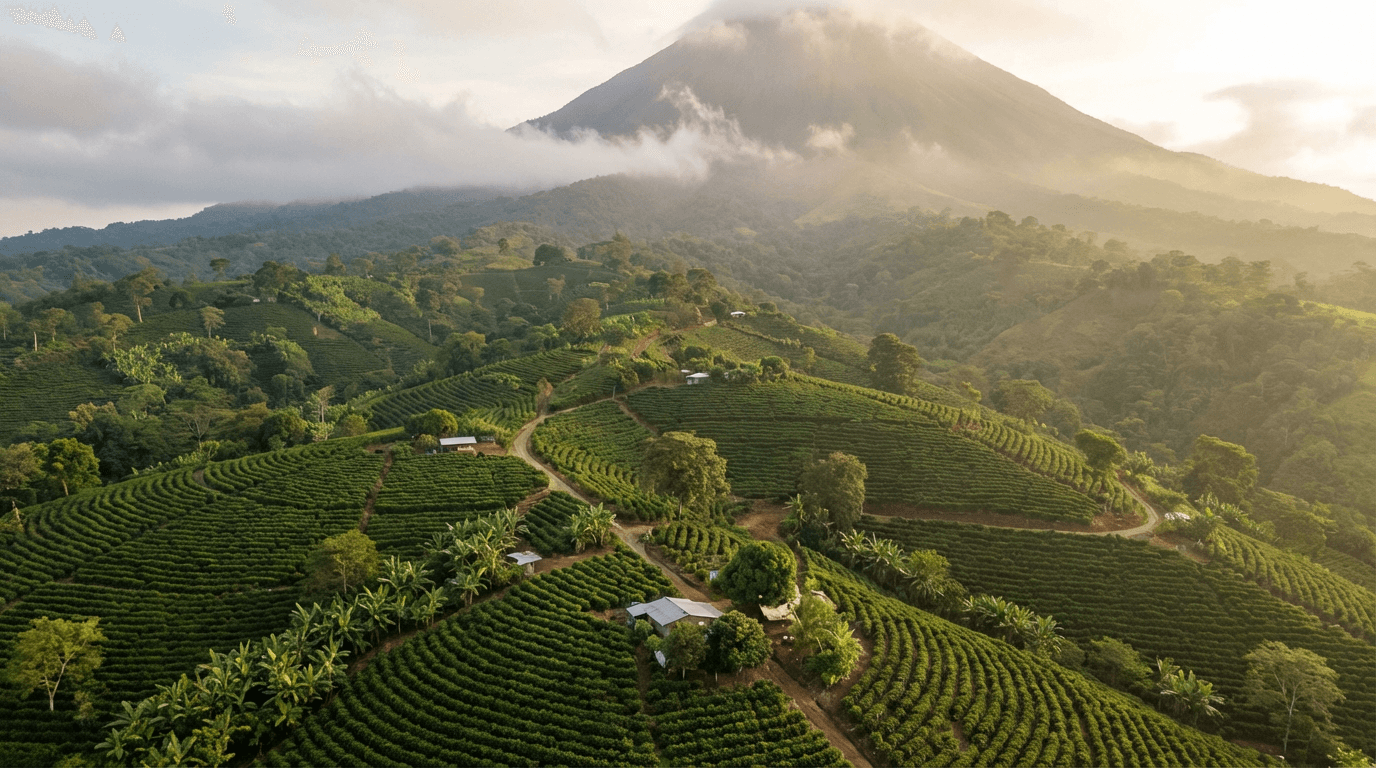
Nicaraguan coffee flies under the radar compared to Colombian or Ethiopian beans, but that's changing fast. The Nicaraguan coffee flavor profile is defined by balance — a clean, medium body with bright-but-gentle acidity and layered sweetness. With volcanic soil, high-altitude farms, and a wave of award-winning specialty coffee lots, coffee from Nicaragua has quietly become one of Central America's most exciting origins to explore.
Whether you're browsing coffee beans at the grocery store or exploring single-origin roasts online, understanding the Nicaraguan coffee flavor profile will help you pick the right bag. Here's everything you need to know about Nicaragua coffee tasting notes, growing regions, varieties, grading, and processing methods.
Quick Summary: The Nicaraguan coffee flavor profile centers on chocolate, citrus, caramel, and honey tasting notes with a medium body and gentle acidity. The best Nicaraguan coffee beans come from Jinotega, Matagalpa, and Nueva Segovia — three volcanic, high-altitude growing regions that produce 85% of the country's Arabica crop. Look for SHG (Strictly High Grown) on the bag for the richest, most complex flavor.
Nicaraguan Coffee Flavor Profile: What to Expect in the Cup
The classic Nicaraguan coffee cup is clean, sweet, and smooth rather than intense or overpowering. Here's a breakdown of what the typical Nicaraguan coffee flavor profile delivers:
- Body: Medium, sometimes creamy or full depending on the growing region and processing method
- Acidity: Bright but gentle — think crisp apple, not sharp lemon
- Sweetness: Well-rounded, often the defining characteristic of Nicaraguan coffee beans
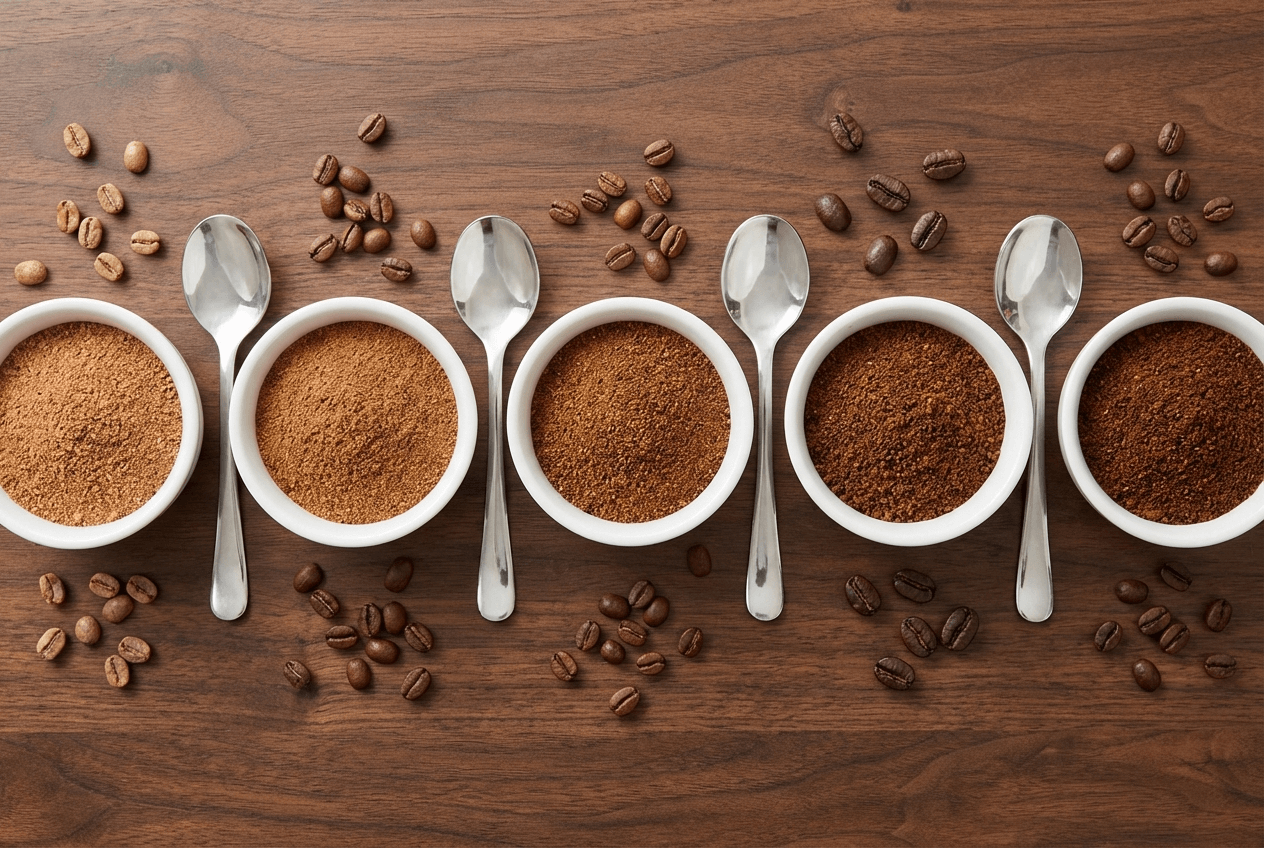
- Common tasting notes: Milk chocolate, citrus zest, caramel, honey, mild tropical fruit, vanilla, nuts
- Roast level sweet spot: Light to medium roast preserves the delicate origin flavors best
What makes Nicaraguan coffee distinctive is its approachable complexity. You'll taste layers — a chocolate foundation with citrus brightness and a honey-like finish — without anything hitting you over the head. It's the kind of coffee that works beautifully as a daily drinker but still rewards close attention when you slow down and sip mindfully.
Compared to other Central American coffees, Nicaraguan beans tend toward cleaner, milder acidity. Where a Guatemalan coffee might punch you with bold smokiness or a Costa Rican dazzle with sharp citrus, Nicaragua plays in the middle — balanced, nuanced, and easy to enjoy regardless of your experience level. If you're still developing your palate, our guide to coffee flavor profiles by origin covers how to identify tasting notes across different origins.

Key Nicaragua Coffee Growing Regions
Nicaragua's coffee belt runs through the cool, mountainous north, where volcanic soil and elevations between 1,000 and 1,800 meters above sea level create ideal growing conditions for Arabica coffee. Around 85% of the country's Arabica production comes from just three departments: Jinotega, Matagalpa, and Nueva Segovia. Each region produces Nicaraguan coffee with distinct cup characteristics and flavor notes.
Jinotega: The Coffee Heartland
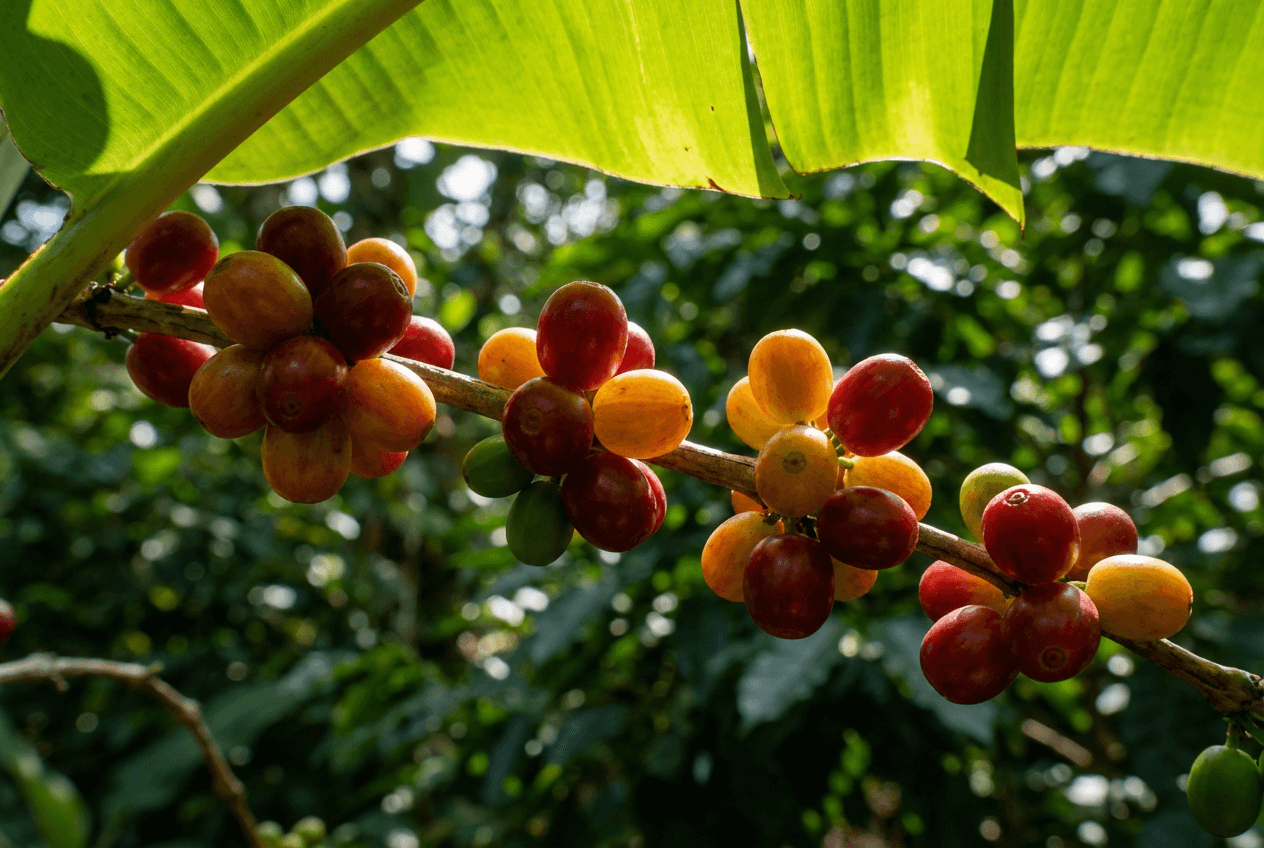
Jinotega is Nicaragua's top coffee-producing region. Over 15,000 farming families cultivate roughly 110,000 acres here, growing Arabica beans at 1,000 to 1,700 meters above sea level. Many farms are shade-grown under banana, mango, and cedar trees — a practice that slows cherry ripening and develops richer, more concentrated flavors.
Typical tasting notes: Bright acidity, green apple, lemon, plum, chocolate, honey undertones
Jinotega coffees tend to be the most complex in Nicaragua, with a lively brightness balanced by chocolate depth. If a bag says "Jinotega" on the label, expect a cup that's simultaneously fruity and grounded. Caturra and Bourbon varieties dominate here.
Matagalpa: Rich and Consistent
Matagalpa sits on rich volcanic soil with a tropical forest climate and is widely considered the region that most consistently produces Nicaragua's highest-quality coffee. Major processing facilities (called beneficios) are based here, giving producers tight control over quality from cherry to export.
Typical tasting notes: Chocolate, caramel, citrus, honey, plum, with a full, creamy body
If Jinotega is the bright, fruity sibling, Matagalpa is the rich, sweet one. These Nicaraguan coffees lean toward deeper chocolate-caramel notes with a satisfying mouthfeel. The 2025 Cup of Excellence #2 winner — a washed Maracaturra scoring 90.5 points — came from Matagalpa, with judges noting honey, chamomile, kiwi, and white grape in the cup.
Nueva Segovia: The Specialty Powerhouse
Home to the highest altitudes in Nicaragua (1,200 to 1,800 meters), Nueva Segovia — particularly the Dipilto sub-region — has built a reputation as the country's specialty coffee powerhouse. In one memorable year, 11 of 25 Cup of Excellence winning farms came from Dipilto alone.
Typical tasting notes: Floral, refined acidity, complex fruit, stone fruit, jasmine
Nueva Segovia coffees are the most elegant of Nicaragua's offerings. The extreme altitude forces even slower cherry development, creating dense beans packed with delicate floral and fruit flavors. This is the growing region to explore if you enjoy lighter, more aromatic Nicaraguan coffee.
Madriz and Estelí
These smaller growing regions are gaining specialty recognition. Madriz features hilly terrain with alluvial soil that favors Caturra and Catuaí varieties, while Estelí's mineral-rich red soil and tropical monsoon climate produce exceptional Bourbon, Typica, and Pacamara coffees. Both regions bridge the gap between Nueva Segovia's floral elegance and Matagalpa's chocolate depth, adding to the diversity of the Nicaraguan coffee flavor profile.
How Volcanic Soil Creates Nicaragua's Unique Coffee Flavors
Nicaragua is called la tierra de lagos y volcanes — the land of lakes and volcanoes — for good reason. The country sits on the Pacific Ring of Fire, and its coffee-growing highlands are blanketed in volcanic ash deposited over millennia.
This volcanic soil is naturally rich in minerals like potassium, phosphorus, calcium, and magnesium. These nutrients feed directly into the coffee plant's metabolism, contributing to bean density and flavor complexity. Potassium, for instance, plays a role in sugar development within the coffee cherry, which translates to the caramel and honey sweetness that defines the best Nicaraguan coffees.
Combine that mineral-rich soil with high altitude — where cooler temperatures slow cherry ripening by weeks or even months — and you get coffee beans that develop more concentrated sugars and nuanced organic acids. That's the one-two punch behind Nicaragua's signature clean sweetness and balanced acidity, and why altitude matters so much in the SHG grading system.
Popular Coffee Bean Varieties Grown in Nicaragua
Nicaragua grows 98% Arabica coffee, with several key varieties shaping the country's flavor landscape and contributing to its distinctive flavor profile:
Caturra — The workhorse. This natural mutation of Bourbon accounts for about 72% of Nicaragua's Arabica plantings. It's a compact plant that thrives at high altitude, producing coffee with bright acidity, a smooth body, and citrus-leaning tasting notes.
Bourbon — The heirloom. One of the world's oldest and most respected Arabica coffee varieties, Bourbon produces lower yields but more concentrated flavor. Expect mild, nuanced notes of vanilla, pear, chocolate, and what some tasters describe as "pie crust" — a baked, buttery warmth.
Maracaturra — Nicaragua's signature variety. A hybrid of Maragogype (the famous "elephant bean") and Caturra, Maracaturra produces large coffee beans with exceptional cup complexity. It's sweet, fruity, and floral — and it regularly scores above 90 points in specialty competitions. Nicaragua is the primary home of this variety worldwide.
Java — An exotic cultivar grown on select farms, particularly in the Jinotega region. Java adds diversity to the range of Nicaraguan coffee flavors available from specialty producers.
Pacamara — A cross between Pacas and Maragogype that produces massive beans with wild, complex flavors. It's tricky to grow with low yields, so you'll find it primarily on specialty farms in Nueva Segovia and Jinotega.
Understanding which variety you're drinking helps explain the Nicaraguan coffee flavor profile in your cup. Our coffee tasting notes guide explains how to decode what you're experiencing. And if you're just starting your coffee journey, our picks for non-coffee drinkers highlights some approachable, mild-bodied coffees worth trying first.
Understanding the SHG Coffee Grading System
When shopping for Nicaraguan coffee beans, you'll often see "SHG" printed on the bag. Here's what Nicaragua's altitude-based grading system means for quality and flavor:
| Grade | Meaning | Altitude | What to Expect |
|---|---|---|---|
| SHG | Strictly High Grown | Above 1,200m (4,000 ft) | Densest beans, most complex flavor profile |
| HG | High Grown | 900–1,200m (3,000–4,000 ft) | Good quality, moderate complexity |
| Standard | Lower elevations | Below 900m | Lighter body, less complexity |
SHG coffee beans ripen in cooler temperatures, which means slower maturation. That extended growing time lets the cherry develop more sugars and organic acids, producing a denser, harder bean with a richer, more nuanced Nicaraguan coffee flavor profile. SHG is essentially the same concept as SHB (Strictly Hard Bean) used in Costa Rica — different name, same principle.
You might also see EP (European Preparation) on the label, which means the beans were hand-sorted to remove any defective or foreign material. SHG EP is the gold standard for Nicaraguan coffee quality — always worth seeking out.
Processing Methods and How They Affect Flavor
How a coffee cherry is processed after picking has a massive impact on the final flavor profile. In Nicaragua, three main processing methods are used, with some experimental techniques gaining ground among specialty producers:
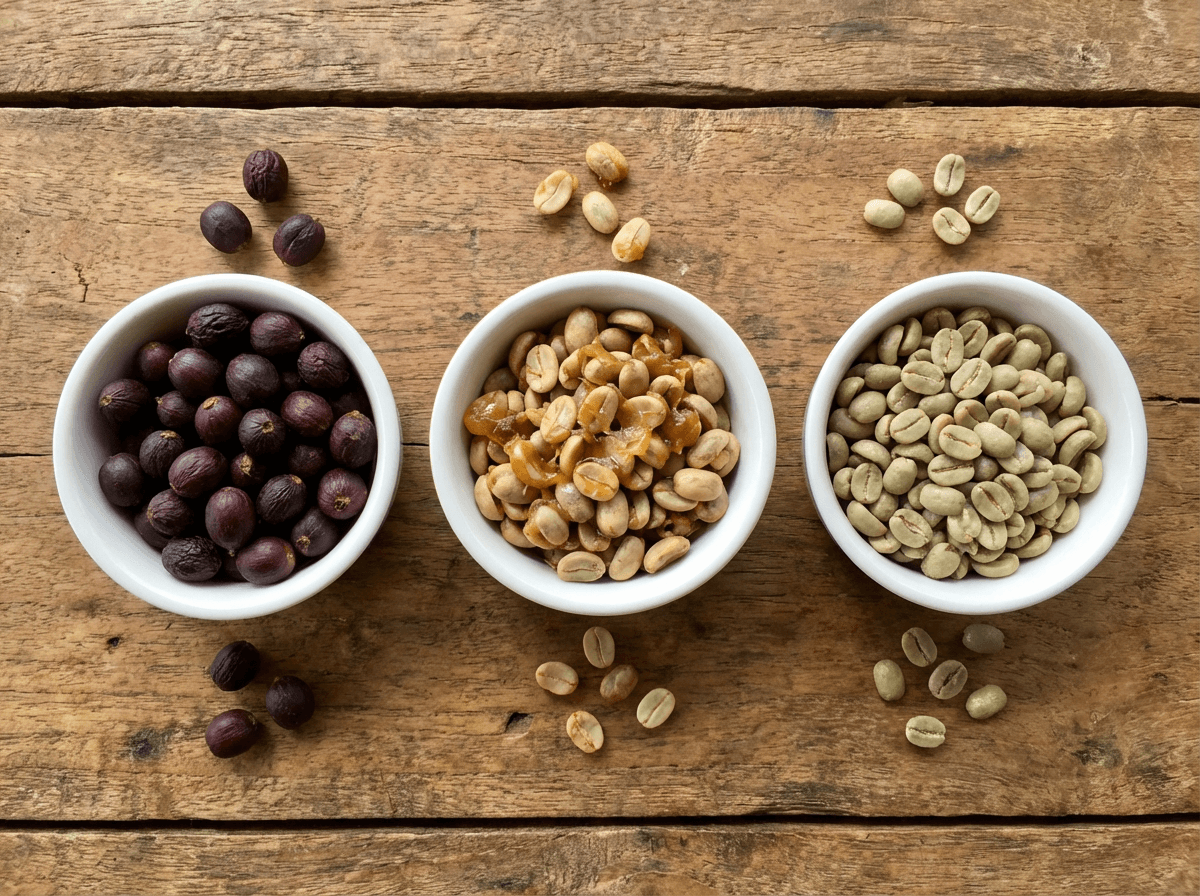
Washed (dominant, ~80% of production) — The cherry's fruit is removed within 12–24 hours of picking, then the bean is fermented, washed clean, and dried. This produces the clean, bright, citrus-and-floral Nicaraguan coffee flavor profile most commonly found in specialty bags. If you love crisp clarity in your cup, look for washed Nicaraguan coffee lots.
Honey processed (growing rapidly) — The skin is removed but some or all of the sticky mucilage (the "honey") is left on the bean during drying. This adds body and fruity sweetness without the full intensity of natural processing. Honey-processed Nicaraguan coffees are especially gaining popularity from Nueva Segovia.
Natural (emerging) — The entire cherry is dried intact around the bean, infusing it with intense fruit flavors and heavier body. Natural processed coffees from Nicaragua are less common but increasingly sought after by specialty roasters looking for bolder flavor profiles.
Experimental methods — Forward-thinking producers are exploring anaerobic fermentation and carbonic maceration. These cutting-edge techniques produce unique, often wine-like cup profiles and fetch premium prices at specialty coffee auctions.
Nicaragua vs. Honduras vs. Colombia: Coffee Flavor Comparison
If you're comparing Central and South American coffee origins, here's how the Nicaraguan coffee flavor profile stacks up against two popular neighbors:
| Nicaragua | Honduras | Colombia | |
|---|---|---|---|
| Body | Medium, clean | Medium to full | Medium to full |
| Acidity | Bright, gentle | Mild, soft | Bright, bold |
| Sweetness | Honey, caramel | Brown sugar, toffee | Fruity, caramel |
| Common Notes | Chocolate, citrus, honey, floral | Chocolate, nuts, brown sugar, stone fruit | Tropical fruit, berry, caramel, cocoa |
| Overall Character | Balanced, approachable, nuanced | Rich, comforting, straightforward | Bold, complex, wide-ranging |
| Best For | Everyday drinking, pour-over, light-medium roasts | Dark roasts, espresso blends | Single-origin exploration, all brew methods |
Nicaragua occupies a sweet spot: more nuanced than Honduras's straightforward richness, but more approachable than Colombia's bolder range. For a deeper look at Honduran coffee beans specifically, see our Honduras coffee flavor profile.
Nicaragua's Rising Specialty Coffee Reputation
Nicaragua has been a sleeper hit in the specialty coffee world. The country has participated in the Cup of Excellence — the most prestigious coffee competition globally — since 2002, and results have been trending sharply upward.
At the 2024 Cup of Excellence auction, Nicaraguan coffee lots averaged $12.75 per pound, with the winning lot selling for $47.50 per pound. The 2025 competition set new records. For context, commodity-grade coffee typically trades around $2–3 per pound — these specialty Nicaraguan lots command 5 to 20 times that price.
The country currently produces roughly 2.58 million 60-kilogram bags annually (2025/26 USDA forecast), ranking it 12th among global coffee producers. That's not huge volume — but 98% is Arabica, and an increasing share of those beans meets specialty-grade standards. The Maracaturra variety, essentially a Nicaraguan creation, has become the country's calling card at international competitions.
The challenge? Many Nicaraguan coffees still reach consumers blended into generic "Central American" bags without clear origin labeling. That makes scanning individual coffee packages worthwhile — you might discover a Nicaraguan single-origin hiding on your grocery store shelf. Cafy can help: scan any packaged coffee with your phone to instantly see tasting notes, roast level, and origin details, making it easy to identify and explore great Nicaraguan beans wherever you shop.
Frequently Asked Questions
What does Nicaraguan coffee taste like?
The Nicaraguan coffee flavor profile typically features a medium body, bright-but-gentle acidity, and a clean, sweet finish. The most common tasting notes are milk chocolate, citrus, caramel, honey, and mild tropical fruit. Nicaraguan coffee is widely appreciated for being balanced and approachable — rich in flavor without being overpowering.
Is Nicaraguan coffee good quality?
Yes. Nicaragua produces excellent specialty-grade Arabica coffee beans, with many lots scoring above 85 points (and some above 90) at cupping evaluations. The combination of volcanic soil, high-altitude growing conditions, and increasingly sophisticated processing methods has earned Nicaraguan coffees strong recognition at the Cup of Excellence and other international competitions.
What does SHG mean on a coffee bag?
SHG stands for Strictly High Grown, meaning the coffee was cultivated above 1,200 meters (about 4,000 feet). At these altitudes, cooler temperatures slow cherry ripening, producing denser coffee beans with a more complex, concentrated flavor profile. SHG is the highest grade in Nicaragua's grading system and generally indicates premium quality.
How is Nicaraguan coffee different from Colombian coffee?
The Nicaraguan coffee flavor profile tends to be milder and more balanced, with gentle acidity and honey-chocolate sweetness. Colombian coffee generally offers bolder acidity, more pronounced tropical fruit tasting notes, and a wider range of flavors due to its much larger and more diverse growing regions. If you enjoy a clean, sweet, easy-drinking cup, Nicaraguan coffee is an excellent choice. If you prefer bolder, more fruit-forward coffees, Colombia may be more your speed.
Ready to discover your perfect coffee?
Download Cafy and scan any coffee to see tasting notes, roast levels, and more.
Download Free