Best Coffee for Non-Coffee Drinkers: 10 Easy Picks
The best coffee for non coffee drinkers includes smooth light roasts and flavored picks. See 10 easy grocery store coffees that aren't bitter.
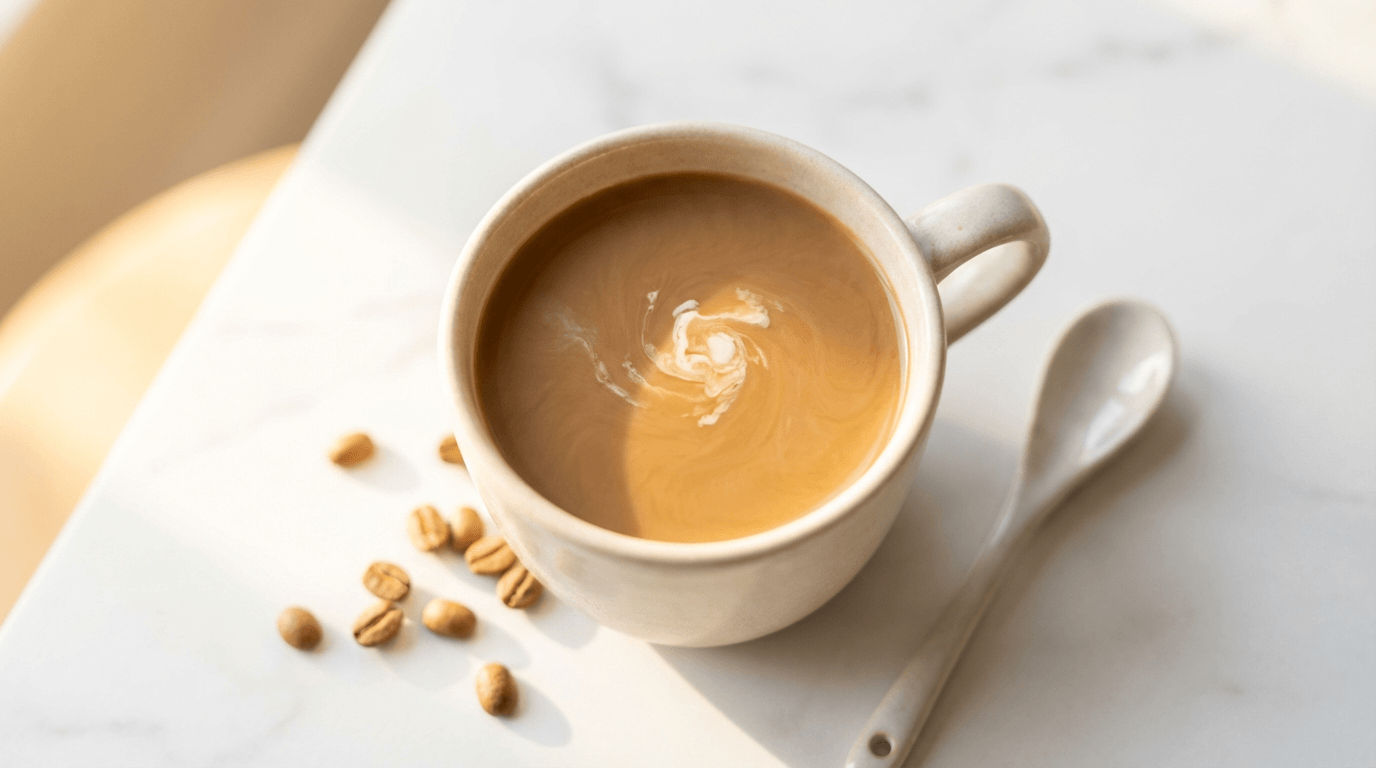
Looking for the best coffee for non coffee drinkers? You're in the right place. Millions of people want to enjoy coffee but get turned off by that first harsh, bitter sip — an overly dark roast at the office, a cup of burnt diner coffee, or an espresso drink that tasted like liquid charcoal. If that's been your experience, it makes sense that you'd think coffee just isn't for you.
But here's the thing: you probably didn't taste bad coffee. You tasted the wrong coffee. Finding the best coffee for non coffee drinkers isn't about drowning your cup in milk and sugar to mask the flavor. It's about choosing coffee that actually tastes good from the start — smooth, naturally sweet, and less bitter than what most people think coffee has to be.
Quick Summary: The best coffee for non coffee drinkers is a light or medium roast made with 100% Arabica beans from naturally sweet origins like Colombia or Brazil. Flavored options (vanilla, hazelnut) and smooth blends like Starbucks Blonde Roast, Dunkin' Original Blend, and Gevalia Traditional Roast are excellent starting points. Avoid dark roasts — they develop the harsh bitter compounds that turn people away from coffee.
What Makes Coffee Taste Bitter (and How to Avoid It)
Here's something that surprises most people: caffeine isn't the main reason coffee tastes bitter.
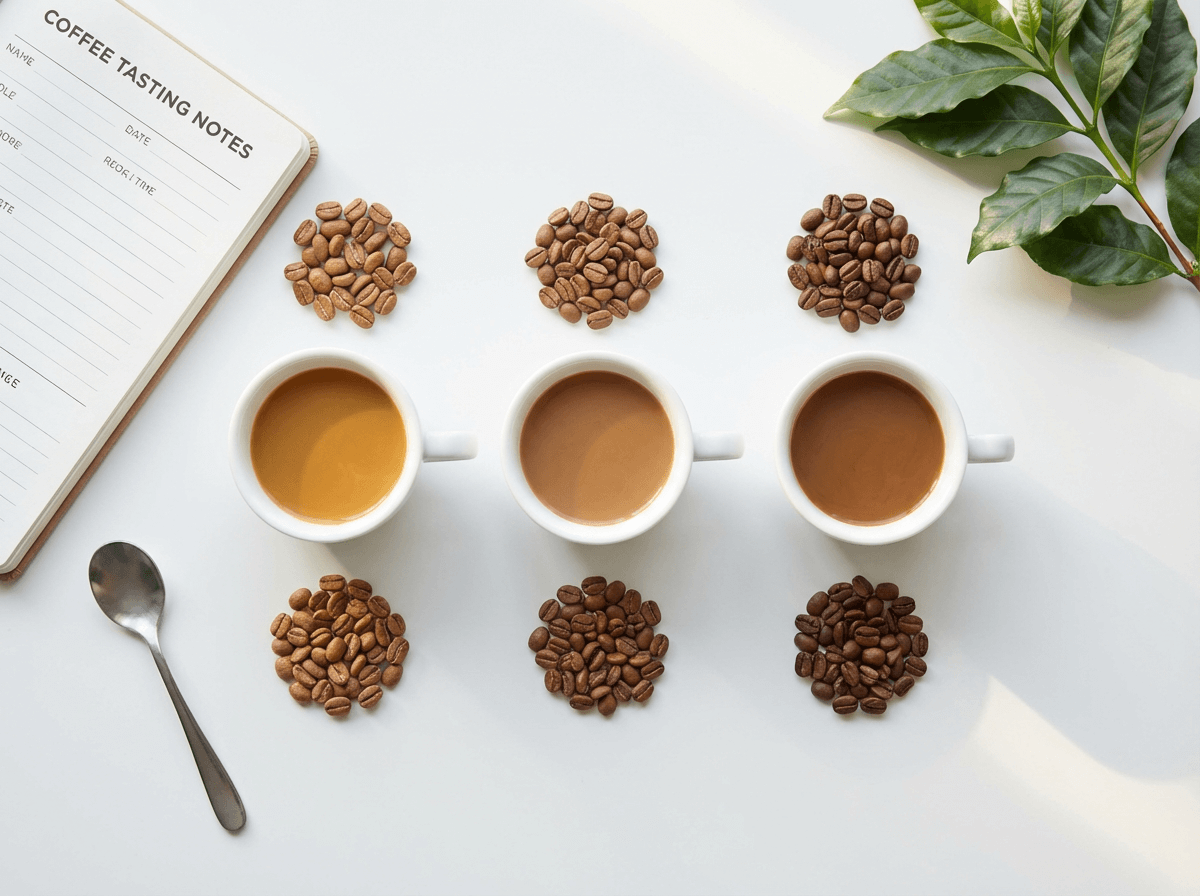
Research from the Technical University of Munich found that the real culprits are compounds created during roasting. In light and medium roasts, chlorogenic acid lactones produce a mild, tolerable bitterness. But when beans are roasted longer into dark roast territory, those lactones break down into phenylindanes — compounds responsible for that harsh, lingering bitter taste most non coffee drinkers can't stand.
Put simply: the darker the roast, the more bitter the taste. Research published in the Journal of Agricultural and Food Chemistry confirmed that roasting is the key factor driving bitterness — not caffeine content.
According to the Specialty Coffee Association, roast profile is the single biggest factor affecting how your cup tastes. But three other things also make coffee taste worse than it needs to:
- Cheap beans. Robusta coffee beans (common in bargain brands) contain nearly twice the bitter compounds of Arabica beans. Always look for "100% Arabica" on the label — this one detail makes a huge difference in how the drink tastes.
- Stale coffee. Coffee that's been sitting on a shelf for months loses its sweet, nuanced flavors and tastes flat and harsh. Check for a roast date if the bag has one.
- Origin matters. Beans from Colombia, Brazil, and Costa Rica are naturally sweeter and less acidic. The National Coffee Association offers a helpful guide to how different roast levels change the taste of your coffee.
The fix is straightforward: stick with light or medium roasts, choose Arabica beans, and pay attention to where they're from. Less roasting means less bitterness. Every coffee on this list follows these principles — these are the best coffees for people who dont like coffee but want to start drinking it.
Best Coffee for Non Coffee Drinkers: 10 Smooth Picks
These are all packaged coffees you can grab at a grocery store — no specialty shops required. Each one was chosen because it's smooth, approachable, and won't make you wince. Whether you add milk, cream, or drink it closer to black, these all work for people who are new to coffee.
1. Starbucks Blonde Roast
Roast level: Light | Flavor profile: Mellow citrus, creamy body, soft sweetness
This is probably the easiest light roast to find in America. It's on shelves at Walmart, Target, Kroger, Safeway — essentially everywhere. Made from Latin American Arabica beans, the Blonde Roast has a gentle, creamy body with subtle citrus notes and less bitterness than almost anything else in the coffee aisle. Many people enjoy this as a homemade latte with steamed milk for an even smoother drink, or simply with a splash of cream and water.
Why it works for beginners: Soft enough to enjoy with just milk, available in ground, whole bean, K-Cup, and instant formats. Less intimidating than most coffees on the shelf, and a smooth first step for non coffee drinkers.
2. Dunkin' Original Blend
Roast level: Medium | Flavor profile: Smooth, balanced, clean finish, mild sweetness
Dunkin' built an empire on coffee that doesn't challenge you — and that's exactly what makes their Original Blend one of the best coffees for people who are new to drinking coffee. It's 100% Arabica beans sourced from Central and South America, and the medium roast hits a sweet spot: enough flavor to taste like real coffee, but none of the bitterness that makes people reach for sugar packets. Add milk or cream and this is one of the most drinkable cups in the country.
Why it works for beginners: Millions of people drink this daily. It's the "everyone agrees this tastes fine" coffee — in the best possible way. Less bitter, more balanced.
3. Gevalia Traditional Roast
Roast level: Light | Flavor profile: Mild, subtle sweetness, exceptionally smooth, clean
Gevalia comes from a Swedish roasting tradition that prioritizes smoothness over intensity. Their Traditional Roast is one of the mildest mainstream coffees — 100% Arabica beans that are slow-roasted to bring out a gentle sweetness without any sharp or bitter notes. If you've thought "I'd drink coffee if it tasted less like coffee," this is your answer.
Why it works for beginners: Swedish coffee culture emphasizes drinkability. This tastes less like a caffeine delivery system and more like a warm ritual. Add cream or milk and it becomes the smoothest coffee for non coffee drinkers on a budget.
4. Cameron's Vanilla Hazelnut
Roast level: Light | Flavor profile: Sweet vanilla, warm hazelnut, dessert-like
Flavored coffee gets a bad reputation from coffee snobs, but for people easing into coffee, it's brilliant. Cameron's Vanilla Hazelnut uses premium Arabica beans and lets the sweet, nutty flavoring do the heavy lifting. The coffee taste takes a backseat to vanilla and hazelnut, making this feel more like a treat than a traditional cup of coffee. Think of it as the coffee equivalent of a vanilla latte — sweet, warm, and easy to love.
Why it works for beginners: The flavoring genuinely masks bitterness. If you like sweet drinks — vanilla lattes, flavored hot chocolate, chai — this is the lowest-barrier coffee for someone new to coffee. You can drink it black with no sugar and it still tastes smooth.
5. Peet's Colombia Luminosa
Roast level: Light | Flavor profile: Bright citrus, nutty undertones, naturally sweet
"Luminosa" means "bright" in Spanish, and this single-origin Colombian coffee lives up to the name. Peet's roasts these beans light to preserve their natural vibrancy — you'll taste citrus and nuts rather than anything ashy or bitter. Colombian beans are loved worldwide for their inherent sweetness and low acidity, and this coffee showcases exactly why people love Colombian origins.
Why it works for beginners: Single-origin Colombians are often recommended as a first "real" coffee — complex flavor, but never harsh. Less bitter than most coffees in its price range. A great step up when you're ready to taste what good coffee actually is.
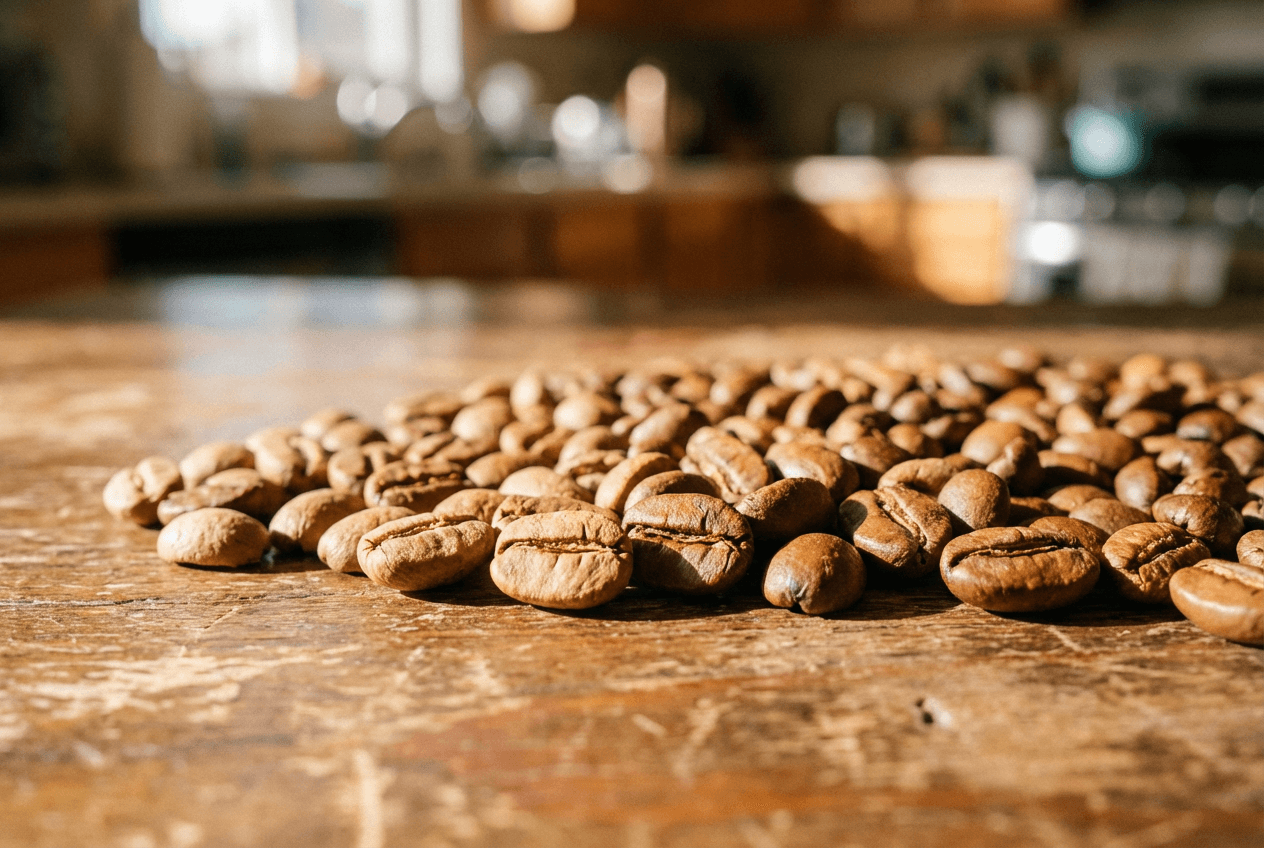
6. Eight O'Clock Colombian Peaks
Roast level: Medium | Flavor profile: Nutty, caramel sweetness, smooth body
Eight O'Clock has been around since 1859, and their Colombian Peaks blend is one of the best budget-friendly options for people new to coffee. It's 100% Colombian Arabica with a nutty base and a gentle caramel sweetness that develops as it cools. At around $6–8 per bag, you can experiment without financial commitment.
Why it works for beginners: Affordable enough to try without stress, smooth enough to keep drinking. The caramel-nutty taste profile converts people from "I don't drink coffee" to "okay, maybe I do." Add milk for an easy, comforting cup.
7. Lavazza Super Crema
Roast level: Medium | Flavor profile: Hazelnut, brown sugar, velvety and creamy
Lavazza is an Italian roaster since 1895, and their Super Crema blend is designed to be rich without being aggressive. The flavor leans into hazelnut and brown sugar territory with a creamy, velvety mouthfeel. It's a blend of Arabica and Robusta beans, but the roasting technique balances them so the Robusta adds body without adding bitterness. Many coffee drinkers love lattes made with this as a base — just add steamed milk.
Why it works for beginners: The creamy, dessert-like quality makes this feel indulgent rather than medicinal. Add milk and it's practically a latte. Less intimidating than it sounds.
8. Starbucks Naturally Flavored Vanilla Coffee
Roast level: Blonde (light) | Flavor profile: Rich vanilla, creamy, subtly sweet
This combines two beginner-friendly elements: a light blonde roast and vanilla flavoring. The gentle roast keeps bitterness at bay while the vanilla adds natural sweetness. No sugar needed. If you tried the regular Blonde Roast and wanted something sweeter, this is the natural next step for non coffee drinkers who are warming up to the drink.
Why it works for beginners: Bridges the gap between "coffee that doesn't taste like coffee" and "coffee I'm starting to enjoy." One of the best smooth, not bitter coffee options on store shelves. People who try this often become regular coffee drinkers.
9. Trader Joe's Colombia Supremo
Roast level: Medium | Flavor profile: Clean, balanced, smooth, earthy with no rough edges
In taste tests, this consistently ranks as the smoothest coffee in Trader Joe's lineup. It's 100% Colombian beans with a medium roast that produces a clean, balanced cup — zero harsh surprises. Reviewers describe it as having "no obvious flaws" — which, for someone who doesn't normally drink coffee, is exactly what you want.
Why it works for beginners: Great value ($7–9 for 13oz), available at Trader Joe's locations, and nearly impossible to dislike. Less risk, more reward. Add milk or water, or drink it black — either way works.
10. Folgers Simply Smooth
Roast level: Medium | Flavor profile: Mild, gentle, reduced acidity, easy on the stomach
Folgers engineered this blend specifically for people who find regular coffee too harsh. They use a proprietary process to reduce both bitterness and acidity, making it one of the gentlest coffees on grocery shelves. It won't excite specialty coffee drinkers, but the point is that it won't make you grimace.
Why it works for beginners: Designed for sensitive palates and stomachs. If you've had bad reactions to coffee — stomach issues from acidity, water-thin diner coffee that tasted burnt, or just hating the bitter taste — this smooth, not bitter coffee is worth trying before you write off coffee entirely.
How to Find Your Perfect First Coffee
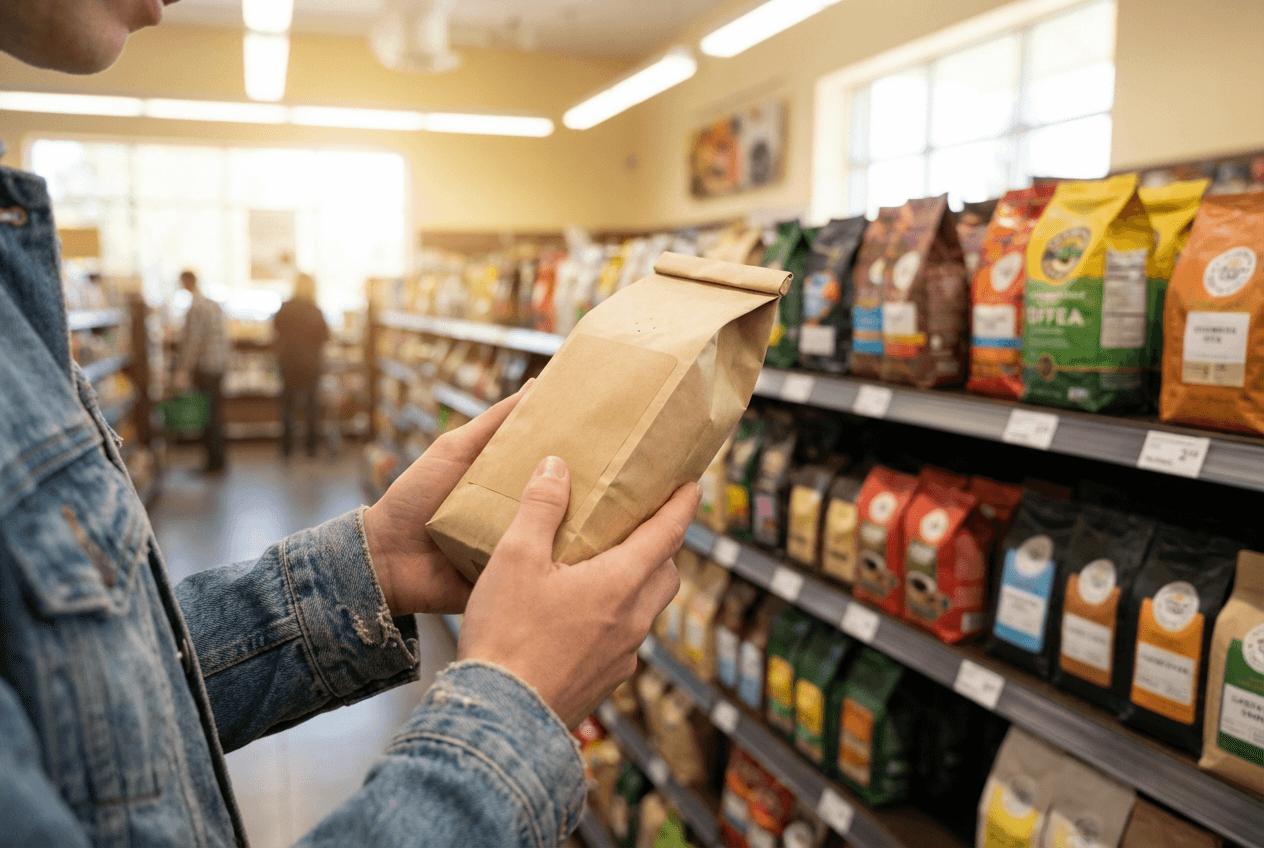
The ten picks above will get you started, but here's the bigger picture for finding the best coffee for non coffee drinkers — whether that's you or someone you're shopping for:
Look at the roast level first. Light and medium roasts are your friends. Dark roast, French roast, espresso roast — skip those for now. They develop the harsh compounds that make most people say "I hate coffee." Less roasting means less bitterness.
Check the label for "100% Arabica." This one detail filters out most bitter, low-quality options. Blends with Robusta beans aren't inherently bad, but they're riskier for people with sensitive palates.
Lean toward Colombian, Brazilian, or Costa Rican origins. These regions produce beans with natural caramel sweetness and low acidity. Ethiopian and Kenyan coffees can be amazing, but their fruity, wine-like flavors might be too different from what most people expect coffee to taste like when starting out.
Don't skip flavored coffee. Vanilla, hazelnut, caramel — these aren't "lesser" drinks. They're a legitimate gateway that millions of people have used to develop a taste for coffee over time. A flavored latte or vanilla coffee is perfectly valid, and plenty of lifelong drinkers still prefer flavored options.
Add milk, cream, or try a latte. There's no shame in softening the flavor while you build your palate. Many coffee drinkers started with plenty of milk and gradually reduced it. A splash of cream, steamed milk, or even a simple homemade latte can transform your cup. If you prefer lighter drinks, add hot water — basically an Americano.
Read the tasting notes before you buy. This is the most useful thing you can do. If a bag says "dark chocolate, caramel, smooth body" — you'll probably like it. If it says "bright acidity, wine-like, bold" — save that for later. The problem is that not every coffee bag lists detailed tasting notes, making it harder for people who don't know coffee yet.
That's where Cafy comes in handy. You can scan any coffee package with your phone camera to instantly see the tasting notes, roast level, and flavor profile — before you spend a dollar. No more guessing at the grocery store. Cafy even has a curated Smooth Sippers collection built for people who want mellow, easy-drinking coffee. As you experiment, save coffees to your personal coffee library to remember favorites, track what you've tried, and browse coffees by category — whole bean, ground, instant, pods, and more.
It turns the overwhelming coffee aisle into something you can navigate with confidence. The best coffee for non coffee drinkers is out there — you just need the right information to find it.
Frequently Asked Questions
What is the easiest coffee to drink for beginners?
A light roast with 100% Arabica beans is the easiest starting point. Starbucks Blonde Roast and Gevalia Traditional Roast are both widely available and have minimal bitterness. If you want even less coffee flavor, a flavored option like Cameron's Vanilla Hazelnut lets the sweetness lead while coffee stays in the background. Adding milk or cream makes any of these smoother. You can also try a simple latte with steamed milk for an extra-creamy experience.
Is light or dark roast better for non coffee drinkers?
Light roast is better for non coffee drinkers. Dark roasts develop more bitter phenylindane compounds during extended roasting, creating that harsh, lingering taste most people who don't like coffee dislike. Light roasts preserve the bean's natural sweetness and have a milder, more approachable flavor. Despite a common myth, light roasts actually contain slightly more caffeine than dark roasts since less caffeine is burned off during shorter roasting.
What coffee has the least bitter taste?
Flavored coffees like Cameron's Vanilla Hazelnut have the least perceptible bitterness because flavoring masks the bitter compounds. Among unflavored options, light roast Colombian and Brazilian coffees — like Peet's Colombia Luminosa or Eight O'Clock Colombian Peaks — have naturally low bitterness. Folgers Simply Smooth is specifically engineered for less bitterness. Adding milk, cream, or water also reduces any bitter taste in your cup.
How do I know if a coffee is smooth before buying it?
Check the packaging for: light or medium roast level, 100% Arabica beans, and single-origin Colombian or Brazilian origins. Words like "smooth," "mild," and "balanced" are good signs. For the most reliable approach, use Cafy to scan the coffee package and see detailed tasting notes and flavor profiles instantly — it takes the guesswork out of shopping for people who are new to coffee. You'll know exactly what it will taste like before you buy.
Can I drink coffee if I'm sensitive to caffeine?
Yes. Try a half-caf blend or fully decaffeinated option — many brands on this list offer decaf versions with the same smooth taste. Swiss Water Process decaf removes caffeine without chemicals, preserving original flavor. You can also drink less coffee per serving, add extra water or milk to dilute it, or start with a small cup. The FDA considers up to 400mg of caffeine per day (about 4 cups) generally safe for most adults.
Ready to discover your perfect coffee?
Download Cafy and scan any coffee to see tasting notes, roast levels, and more.
Download Free