Honduras Coffee: Flavor Profile & Tasting Notes
Discover the Honduras coffee flavor profile: chocolate, caramel, tropical fruit, and honey across 6 growing regions. Tasting notes, SHG grades, and more.
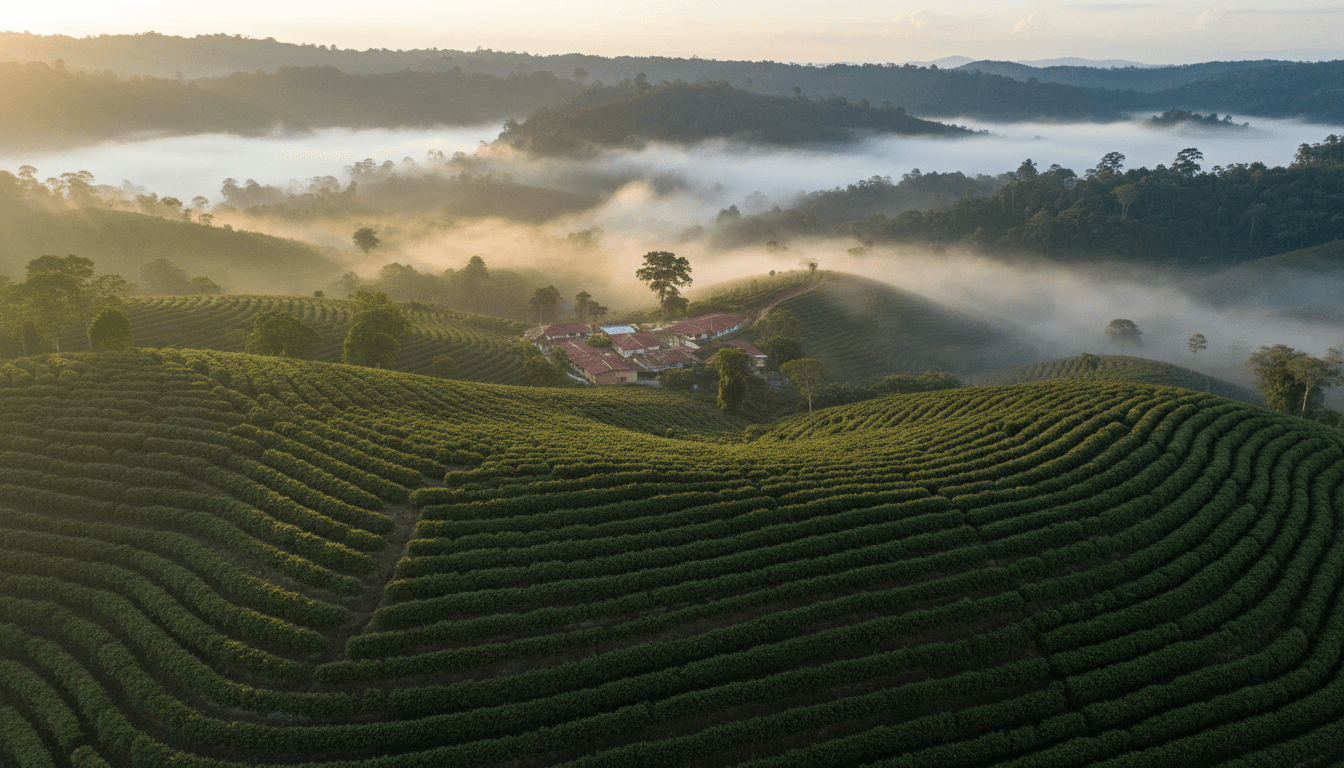
The Honduras coffee flavor profile catches people off guard. This isn't a flashy origin that screams for attention — it's the one that quietly wins you over with chocolate, caramel, honey sweetness, and tropical fruit wrapped in a gentle citrus acidity. Honduras grows more coffee than any other country in Central America, yet most coffee drinkers couldn't name a single Honduran coffee region. That changes today.
Quick Summary: The Honduras coffee flavor profile is smooth and balanced, featuring chocolate, caramel, and honey sweetness with tropical fruit notes and mild citrus acidity. Flavors vary significantly across 6 growing regions — from the chocolatey richness of Copán to the wine-like berry notes of Opalaca. Look for SHG (Strictly High Grown) on the label for the most complex, flavorful beans.
Honduras Coffee Flavor Profile: What to Expect in the Cup
The typical Honduras coffee flavor profile sits in a sweet spot that works for almost everyone. Expect a medium body, balanced acidity, and a clean finish that doesn't linger too long or disappear too fast.
The dominant coffee tasting notes you'll find across most Honduran coffees include:
- Chocolate — dark chocolate and cocoa are the most consistent notes, especially from western regions like Copán
- Caramel and honey — a natural sweetness that doesn't need sugar to shine through in the cup
- Tropical fruit — mango, papaya, and stone fruits depending on the region and roast level
- Nutty undertones — almond, hazelnut, and cashew appear frequently in washed coffees
- Mild citrus acidity — orange and lemon notes that brighten each cup without sharpness
What makes Honduran coffee special is the range. Because the country has six distinct growing regions spread across different altitudes and microclimates, a coffee grown in Copán and one grown in Opalaca can taste like they come from different continents. That diversity is one of the best reasons to explore coffees from Honduras — there's genuinely something for every palate.
Honduras Coffee Tasting Notes by Region
Here's a side-by-side look at the Honduras coffee flavor profile across each of the country's six growing regions:
| Region | Altitude | Key Flavors | Body | Acidity |
|---|---|---|---|---|
| Copán | 1,000–1,500m | Chocolate, caramel, citrus | Bold, creamy | Delicate |
| Montecillos (Marcala) | 1,200–1,600m | Stone fruit, peach, orange, caramel | Velvety | Bright, sparkling |
| Opalaca | 1,100–1,600m | Grape, berry, mango, wine-like | Medium, balanced | Lively |
| El Paraíso | 1,100–1,400m | Sweet citrus, floral, honey | Smooth, silky | Balanced |
| Agalta | 1,100–1,400m | Tropical fruit, chocolate, caramel | Medium-full | Pronounced |
| Comayagua | 1,100–1,500m | Citrus, sweet cane, bright aroma | Medium | Vibrant |
Keep this table bookmarked. When you're comparing Honduran coffees at the store or scanning coffee packages with Cafy to check their tasting notes, you'll know exactly what flavors to expect from each origin.
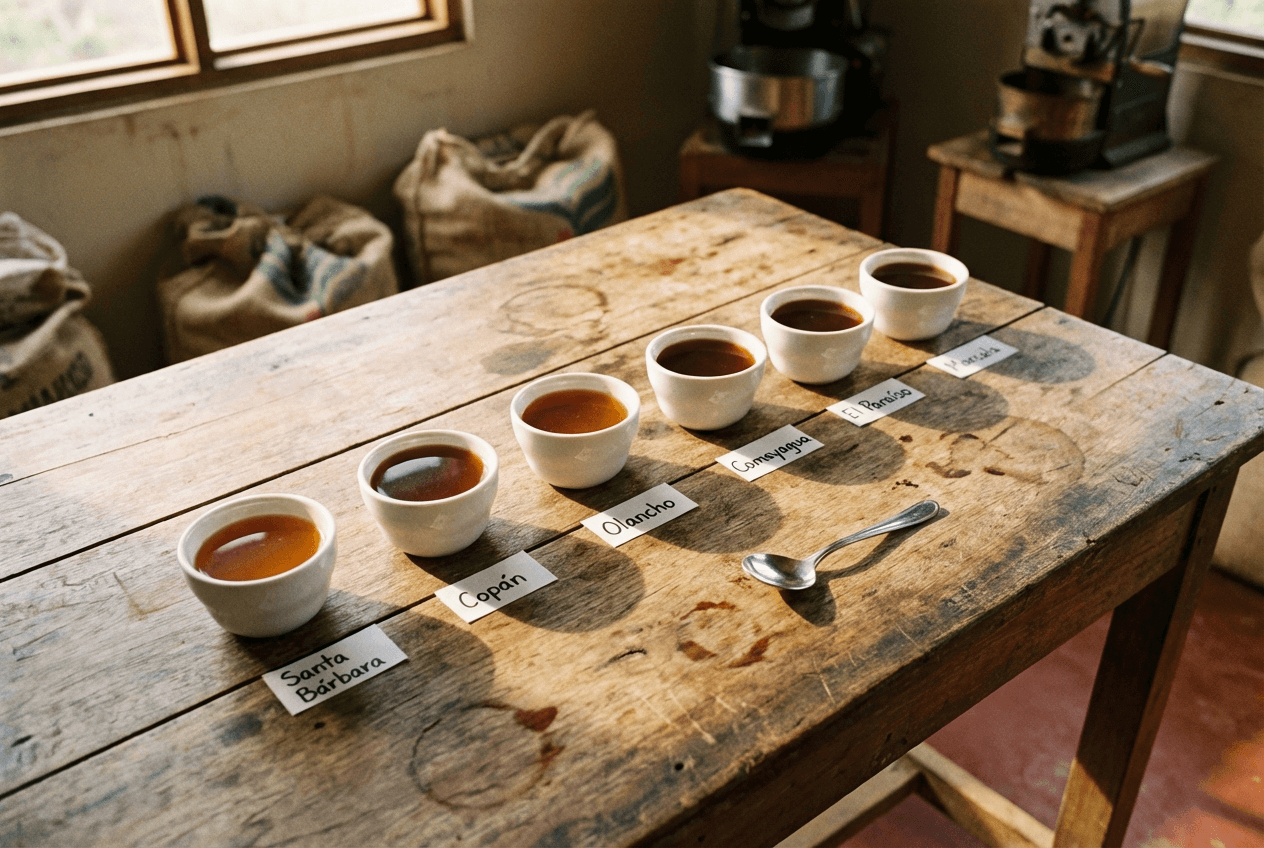
How Honduras Became Central America's Top Coffee Producer
Honduras wasn't always a coffee powerhouse. For most of the 20th century, it lagged behind neighbors like Guatemala and Costa Rica in both production volume and reputation. The turning point came in stages.
In 1970, the government established the Honduran Coffee Institute (IHCAFE) to support coffee farmers with technical training and quality standards. Progress was slow but steady, and the specialty coffee movement of the 1990s gave Honduran growers a new premium market to pursue.
Then came devastation. Hurricane Mitch struck in 1998, destroying coffee farms and infrastructure across the country. But the reconstruction that followed included massive investment in the coffee sector — farmers replanted with improved Arabica varieties, adopted better processing methods, and diversified into specialty-grade production.
By 2011, Honduras had overtaken every other Central American nation in coffee output. Today, the numbers speak for themselves:
- 5.8 million 60-kg bags of coffee forecast for 2025/26 (up 5% year-over-year), according to the USDA
- ~120,000 smallholder farmers cultivating 400,000 hectares of coffee
- Over $1 billion in annual coffee export revenue
- Coffee represents 30% of Honduras's agricultural GDP
- Top export markets: the United States, Germany, Belgium, and Italy
Nearly 100% of Honduras's coffee output is Arabica, grown at high altitudes that produce denser beans with richer flavor profiles. Common varieties include Bourbon, Caturra, Catuai, Typica, Pacas, and locally developed disease-resistant cultivars like Lempira and Parainema.
The 6 Coffee Growing Regions of Honduras
Honduras officially recognizes six coffee-growing regions, each shaped by distinct altitude, microclimate, and soil composition. All six produce Arabica coffees, but the cup profiles differ dramatically from one region to the next.
Copán
Copán sits in western Honduras near the Guatemala border, surrounded by the same lush highlands that sheltered ancient Mayan civilizations. At 1,000–1,500 meters, cooler temperatures and rich volcanic soil produce coffees with deep chocolate and caramel sweetness, a bold creamy body, and a delicate acidity that lets the natural sweetness lead each sip.
Copán is part of the Honduran Western Coffees (HWC) Geographical Indication, a designation that protects and promotes its distinct coffee origin. If you like your cup rich and comforting — like a liquid chocolate bar — Copán is the region to start with.
Varieties grown: Bourbon, Caturra, Catuai
Montecillos (Marcala)
The highest coffee-growing area in Honduras, Montecillos rises to 1,200–1,600 meters along the El Salvador border. Cold nights at these elevations slow cherry ripening, which concentrates sugars and develops more complex flavors in every cup.
This region is home to Café de Marcala — the first coffee to receive a denomination of origin anywhere in Central America. That distinction wasn't arbitrary. Montecillos coffees deliver stone fruit, peach, and orange notes wrapped in caramel sweetness, with a bright, sparkling acidity and a velvety body that specialty coffee lovers crave.
If you want to understand why Honduran coffee wins international awards, Marcala is the region to explore.
Varieties grown: Bourbon, Catuai, Caturra, Pacas
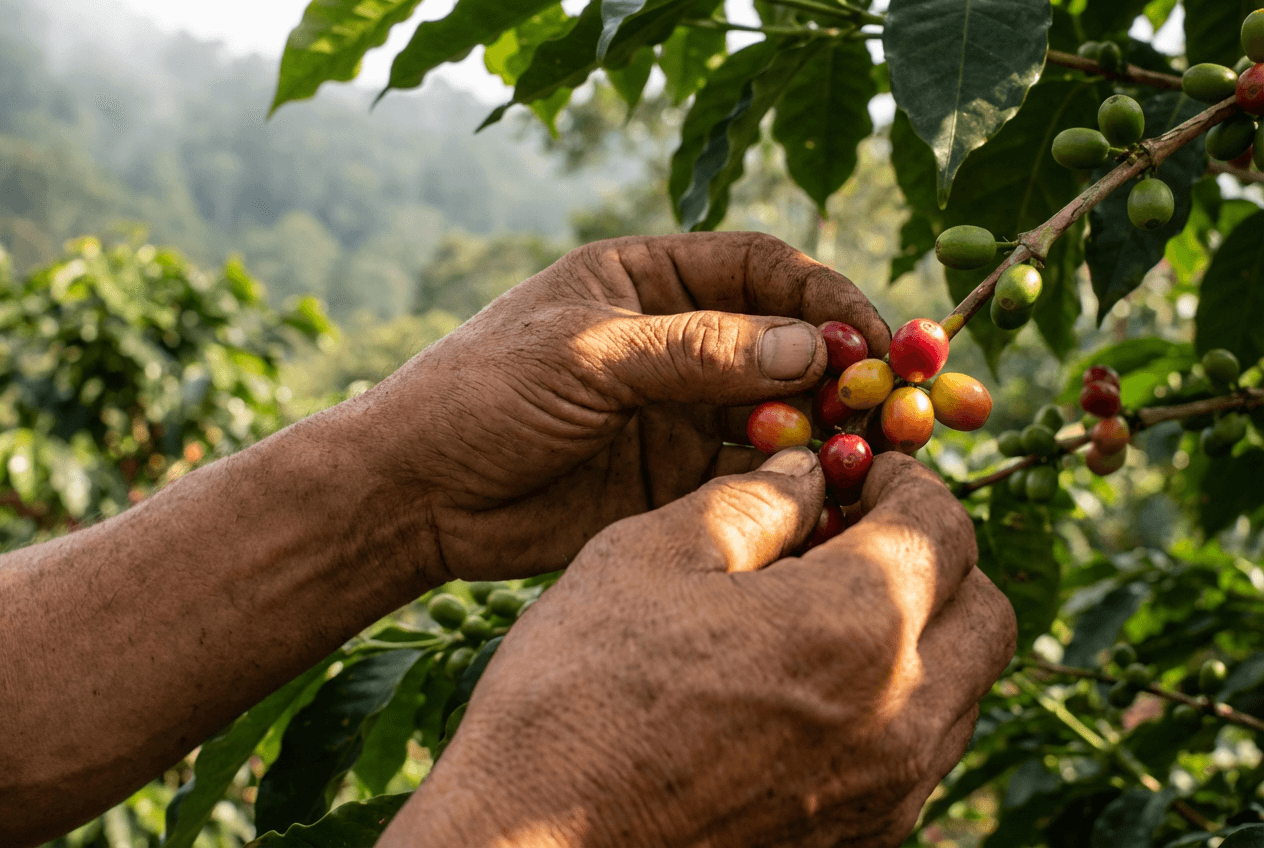
Opalaca
Running east of Copán through Santa Bárbara, Intibucá, and Lempira, Opalaca is where Honduran coffee gets adventurous. At 1,100–1,600 meters, this region produces the most fruit-forward coffees in the country.
Expect grape, berry, and mango notes with a wine-like quality that surprises people who assume Central American coffees are all chocolate and nuts. The acidity is lively, the balance is refined, and the aromatics are bold. Opalaca has produced multiple Cup of Excellence winners, and for good reason — these coffees are unlike anything else Honduras produces.
Varieties grown: Bourbon, Catuai, Caturra, Typica
El Paraíso
Near the Nicaragua border at 1,100–1,400 meters, El Paraíso has quickly become one of the most exciting coffee regions in the specialty world. Many farms here are small-scale — under five acres — where producers can focus obsessively on cup quality over volume.
The result is a coffee with champagne-like elegance: sweet citrus, floral hints, honey, and a silky smooth body. El Paraíso coffees have won recent Cup of Excellence competitions, and the region's reputation among specialty roasters worldwide is growing fast.
Varieties grown: Catuai, Caturra
Agalta
Honduras's easternmost coffee region covers parts of Olancho, El Paraíso, and Francisco Morazán at 1,100–1,400 meters. The tropical climate here creates coffees with a distinctly rich, dessert-like character in the cup.
Agalta beans are known for tropical fruit and chocolate aromas layered with caramel and a sweet, lingering aftertaste. The body tends toward medium-full with a pronounced acidity that keeps things bright. It's the kind of coffee that works beautifully after dinner.
Varieties grown: Bourbon, Typica, Caturra
Comayagua
Sitting in the geographic center of Honduras at 1,100–1,500 meters, Comayagua produces coffees that share character with neighboring Montecillos. You'll find vibrant citrus acidity, sweet cane sugar notes, and a bright, clean aroma in the cup.
Comayagua doesn't get the same attention as Copán or Marcala, but it consistently delivers well-balanced Honduran coffee that makes excellent everyday drinking.
Varieties grown: Bourbon, Catuai, Caturra
How Processing Methods Shape Honduras Coffee Flavors
The same Honduran coffee beans can taste completely different depending on how they're processed after picking. Three methods dominate coffee production in Honduras:
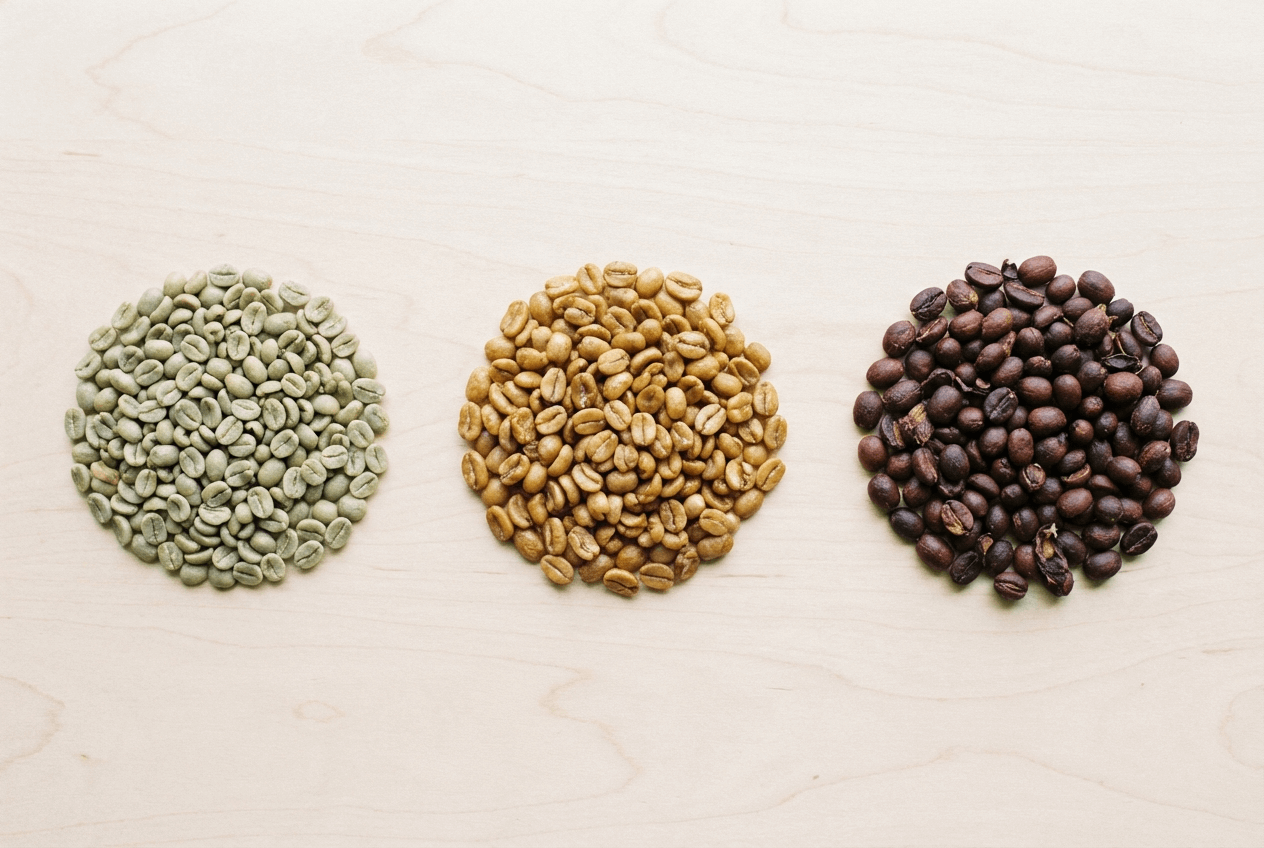
Washed (most common in Honduras) The cherry's fruit is removed, and beans are fermented in water before drying. This produces Honduras's signature clean, bright acidity and flavor clarity that lets you taste the terroir of each growing region. Most specialty Honduran coffees use washed processing.
Natural (dry process) Beans dry inside the whole cherry for weeks. The extended fruit contact creates a heavier body, deeper sweetness, and wine-like or berry-forward flavors. Natural-process Honduras coffees are less common but increasingly popular with specialty roasters who want bold, fruity cup profiles.
Honey process A middle ground: the cherry skin is removed, but some or all of the sticky mucilage ("honey") stays on during drying. The result is enhanced sweetness and a creamy, fuller mouthfeel — more complexity than washed, more clarity than natural. Honduran honey-process coffees have a devoted following.
If you're tasting two Honduran coffees side by side and one is washed while the other is natural, expect dramatically different cups — even if the beans came from the same farm and region.
SHG: Understanding Honduras Coffee Grades
When shopping for Honduran coffee beans, the letters SHG on the bag are your quality shorthand. Honduras uses an altitude-based grading system that directly correlates with flavor complexity:
| Grade | Altitude | What It Means |
|---|---|---|
| SHG (Strictly High Grown) | Above 1,200m (3,940 ft) | Densest beans, most complex flavors |
| HG (High Grown) | 900–1,200m (2,950–3,940 ft) | Good quality, slightly less complexity |
| CS (Central Standard) | 500–900m (1,640–2,950 ft) | Milder flavor, often used in blends |
The logic is straightforward: higher altitude means cooler temperatures, which slows cherry maturation. Slower growth gives each coffee bean more time to develop sugars and organic acids — the compounds responsible for flavor complexity in your cup.
SHG beans make up the bulk of Honduras's specialty coffee exports. When you see "Honduras SHG" on a bag, you're getting beans grown at the top altitude tier where the best Honduran flavor profiles develop.
Common Honduran Coffee Varieties
Honduras grows several Arabica coffee varieties, each contributing its own character to the cup:
- Bourbon — Sweet, complex, with a syrupy body. A classic Central American coffee variety.
- Caturra — Bright acidity, lighter body, citrus-leaning. A natural Bourbon mutation grown widely in Honduras.
- Catuai — A Caturra-Mundo Novo cross that's balanced and versatile. The most widely planted variety in Honduras.
- Typica — Clean, sweet, and delicate. One of the oldest Arabica coffee varieties in the world.
- Pacas — Smooth body with honey-like sweetness. Especially popular in the Montecillos region.
- Lempira — Developed by IHCAFE specifically for Honduran conditions. Resistant to coffee leaf rust with respectable cup quality.
- Parainema — Another IHCAFE-bred variety combining disease resistance with good flavor. Increasingly common across all six Honduras coffee regions.
The locally developed Lempira and Parainema varieties deserve special attention. After coffee leaf rust devastated crops across Central America in the 2010s, these resistant cultivars helped Honduran farmers recover without sacrificing cup quality.
How to Explore Honduran Coffee Flavors
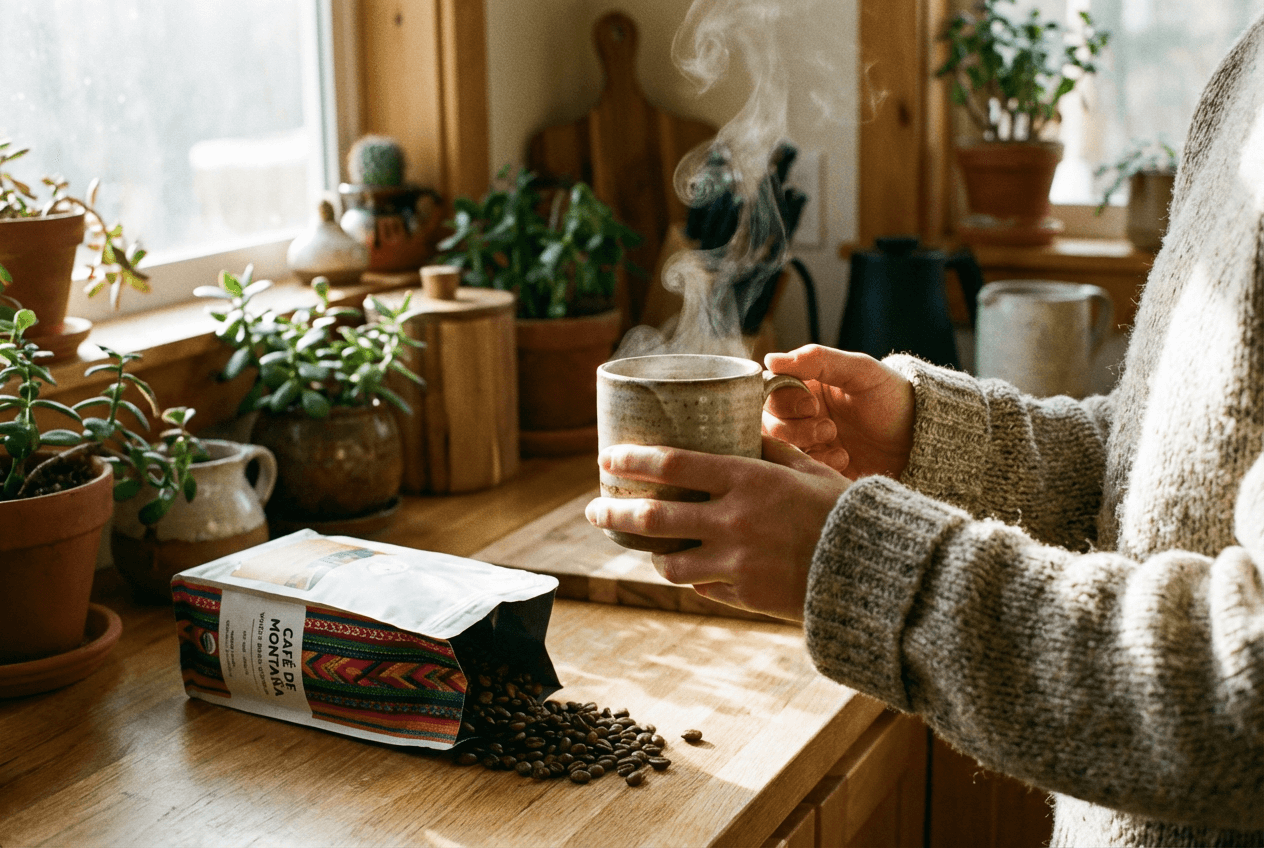
Ready to start exploring the Honduras coffee flavor profile for yourself? Here's a practical roadmap:
For the classic Honduran profile: Grab a washed SHG coffee from Copán or Marcala. Medium roast. This gives you that signature chocolate-caramel sweetness with balanced acidity — the flavors most people associate with Honduran coffee.
For something adventurous: Try a natural-process Opalaca coffee. The berry and wine-like tasting notes will challenge your assumptions about what Central American coffees can taste like.
For side-by-side comparison: Pick two single-origin Honduran coffees from different regions and brew them the same way. The terroir differences become obvious in each cup when everything else is equal.
Use your phone: When you spot Honduran coffee at the grocery store or your local roaster, scan the package with Cafy to instantly pull up tasting notes and flavor profiles. It's the fastest way to compare options and find the Honduras coffee that matches your palate — no guesswork needed.
A quick tip on roast level: medium roast tends to be the sweet spot for Honduran beans. It preserves origin character — those regional flavor differences we covered — without the bitterness that darker roasts introduce. If you're new to specialty coffee and wondering where to start, Honduran coffees are among the best coffee for non-coffee drinkers thanks to their approachable sweetness and low bitterness.
Frequently Asked Questions
What does Honduran coffee taste like?
The most common Honduran coffee tasting notes include chocolate, caramel, honey sweetness, tropical fruit, and nutty undertones, with a medium body and balanced acidity. The exact flavor profile varies by growing region — Copán coffees lean chocolatey, Opalaca is fruity and wine-like, and Montecillos offers bright stone fruit and citrus notes.
Is Honduras coffee good quality?
Yes. Honduras is the largest coffee producer in Central America and its specialty coffees consistently score 85+ on the SCA scale. The country's Strictly High Grown (SHG) beans rival the quality of coffees from Guatemala and Costa Rica, and Honduran coffee lots regularly win Cup of Excellence awards.
What is Honduras SHG coffee?
SHG stands for Strictly High Grown, meaning the coffee was cultivated above 1,200 meters (3,940 feet). Higher altitude produces denser coffee beans with more complex flavors. SHG is the top grade in Honduras's altitude-based classification system and represents the highest quality beans the country produces.
How does Honduras coffee compare to Colombian coffee?
Both origins produce balanced, approachable Arabica coffees. The Honduras coffee flavor profile tends toward more pronounced chocolate and caramel sweetness with a slightly lighter body, while Colombian coffee often features brighter citrus acidity and a fuller, rounder body. Honduras also offers wider regional variety at a generally lower price point per cup.
What roast level is best for Honduran coffee?
Medium roast is the sweet spot for most Honduran coffees. It preserves origin-specific tasting notes — chocolate, fruit, caramel — without masking them under roast bitterness. Light roasts work well for fruitier coffees from Opalaca and El Paraíso, while medium-dark can complement Copán's naturally rich, chocolatey cup.
Honduras is part of our coffee flavor profiles by origin series. Explore more single-origin tasting guides to discover how geography shapes every cup of coffee you drink.
Ready to discover your perfect coffee?
Download Cafy and scan any coffee to see tasting notes, roast levels, and more.
Download Free