Coffee Tasting Notes: What They Mean & How to Read Them
Learn what coffee tasting notes mean, how pros identify them, and how to taste them yourself. Covers 30+ common notes, flavor categories, and origins.
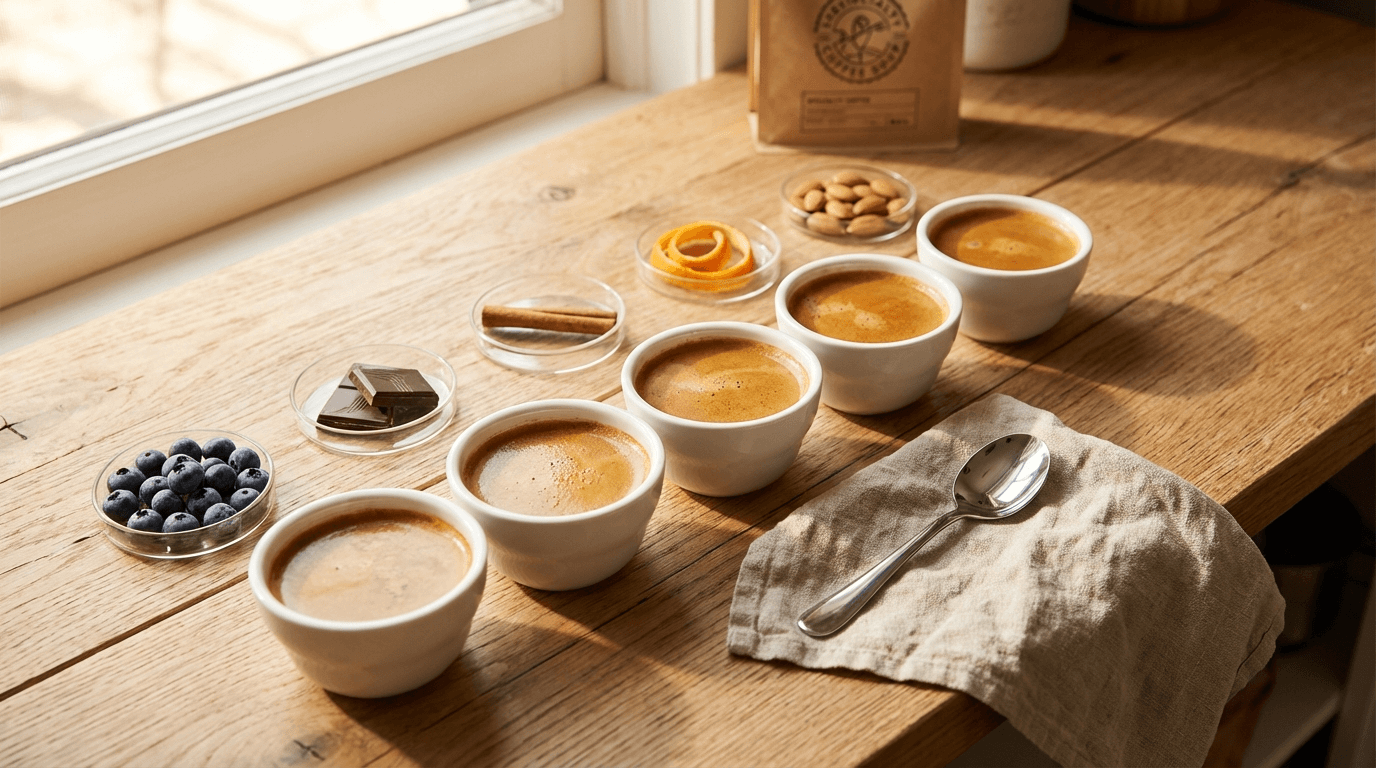
You pick up a bag of coffee at the store. The label reads "notes of blueberry, dark chocolate, and honey." You brew it at home and taste... coffee. Just coffee. What happened?
Those descriptors aren't marketing fluff, and the roaster didn't squirt blueberry syrup into the bag. Coffee tasting notes are real, grounded in chemistry, and once you know how to read them, they'll completely change how you choose and enjoy coffee.
Quick Summary: Coffee tasting notes describe naturally occurring flavors in the bean — not added ingredients. They're caused by chemical compounds that also exist in other foods (the same molecule that makes blueberries taste like blueberries can show up in Ethiopian coffee). Understanding tasting notes helps you pick coffees you'll actually love, and tools like Cafy can instantly decode them from any packaged coffee bag.
What Are Coffee Tasting Notes?
Tasting notes are a roaster's best attempt to describe what a coffee tastes like using familiar reference points. When a bag says "stone fruit, caramel, milk chocolate," it means the coffee contains aromatic compounds that your brain recognizes as similar to those foods.
Here's the key thing most people don't realize: coffee is one of the most chemically complex beverages we consume. Roasted arabica coffee contains over 1,000 volatile chemical compounds — roughly two to three times more than wine. Many of these compounds are identical to molecules found in fruits, nuts, spices, and other foods we eat every day.
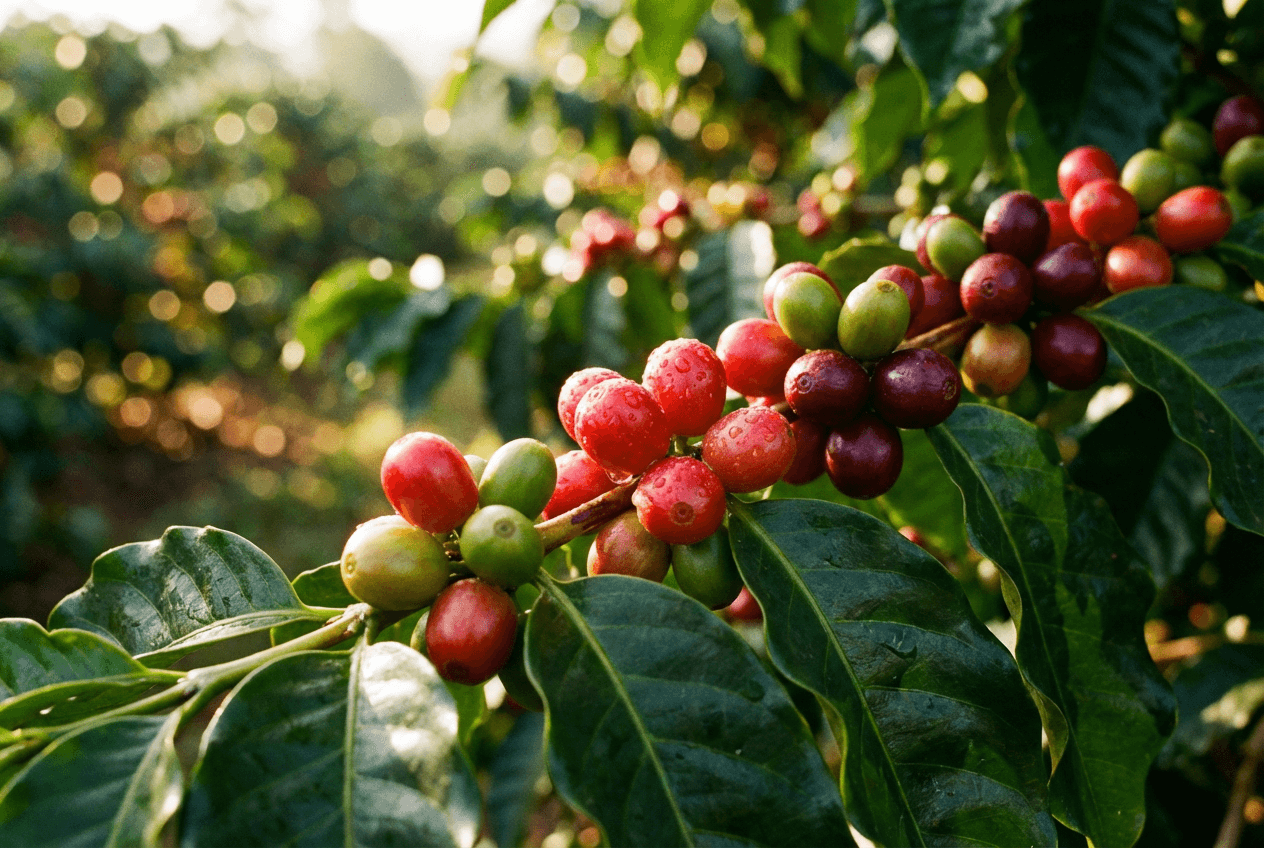
Remember: coffee beans are the seeds of a fruit. Before they're roasted, they've already absorbed sugars and acids from the cherry they grew inside. That's where much of the flavor complexity begins. Here are some specific examples of shared chemical compounds:
- Ethyl-3-methylbutanoate, a compound found in blueberries, also occurs naturally in certain Ethiopian coffees
- Vanillin, the primary flavor molecule in vanilla beans, appears in roasted coffee
- Citric acid, the same acid in lemons and oranges, is present in many high-altitude coffees
- Malic acid, found in green apples, contributes to the bright, tart quality in some Central American coffees
So when a bag says "notes of blueberry," you're tasting actual blueberry-adjacent chemistry — not poetry, not imagination, and definitely not artificial flavoring. These tasting notes describe real chemical compounds that your taste buds and nose can detect.
How Tasting Notes End Up on Your Coffee Bag
Coffee tasting notes don't come from a single person's opinion. At most specialty roasters, the process of identifying and describing flavors is surprisingly systematic:
- Group cupping — Multiple trained tasters (often certified Q Graders) taste the coffee together using a standardized method called cupping
- Independent notes — Each taster writes down every flavor they can describe, without comparing with others
- Consensus building — The descriptors that appear most frequently across all tasters become the official tasting notes printed on the bag
The common language behind this process is the SCA Coffee Taster's Flavor Wheel, originally published in 1995 and significantly updated in 2016 through collaboration between the Specialty Coffee Association, World Coffee Research, and sensory scientists at UC Davis. The flavor wheel organizes hundreds of specific flavor descriptors into broader categories, giving coffee professionals (and curious drinkers) a shared vocabulary to describe what they experience in the cup.
Think of the wheel like a map: the center has broad categories like "fruity" or "nutty," and as you move outward, the flavor descriptions branch into increasingly specific notes — from "fruity" to "berry" to "blueberry." You can explore the full coffee flavor wheel in our dedicated guide.
The 6 Major Flavor Categories (With 30+ Common Tasting Notes)
Below is a reference chart of the most common coffee tasting notes you'll encounter on coffee bags, organized by the SCA's primary flavor categories. Bookmark this — it's handy the next time you're trying to describe what you taste in your cup.
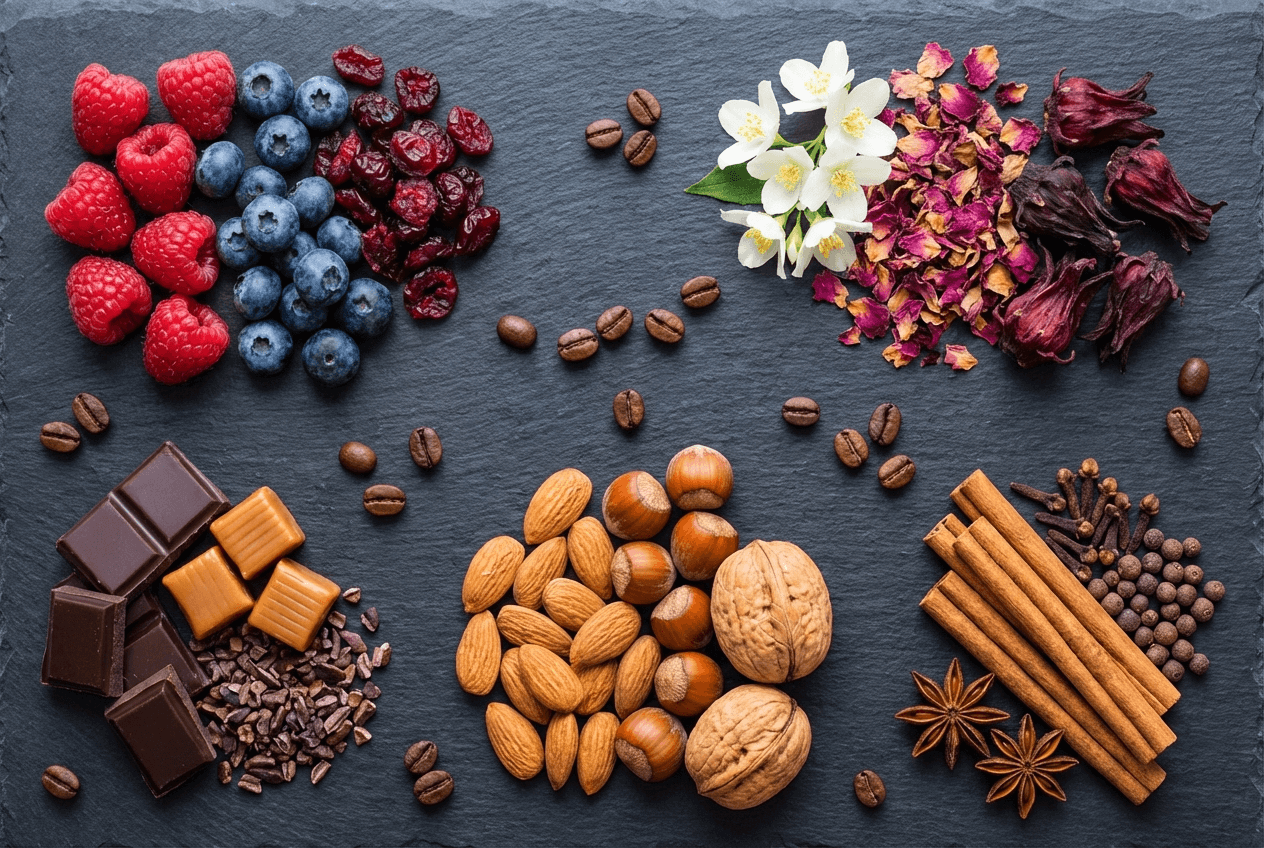
🍒 Fruity
| Sub-Category | Common Tasting Notes |
|---|---|
| Berry | Blueberry, Raspberry, Strawberry, Blackberry |
| Citrus | Lemon, Orange, Grapefruit, Lime |
| Stone Fruit | Peach, Nectarine, Apricot, Cherry |
| Tropical | Mango, Pineapple, Passion Fruit, Coconut |
| Dried Fruit | Raisin, Prune, Fig, Cranberry |
Fruity coffee flavors are most common in African coffees (especially Ethiopian and Kenyan beans) and in coffees processed using the natural method. These are the tasting notes that surprise people most — many first-time specialty coffee drinkers don't expect their cup to taste fruity.
🌸 Floral
Jasmine, Rose, Chamomile, Lavender, Bergamot, Hibiscus
Floral notes are delicate and often found in washed Ethiopian coffees and high-altitude Central American varieties. If you've ever had a light-roast Ethiopian Yirgacheffe, that tea-like, jasmine quality is a classic floral tasting note. These flavors are easier to smell than taste — bring the cup to your nose before sipping.
🍫 Sweet
Caramel, Brown Sugar, Honey, Maple Syrup, Molasses, Vanilla, Toffee, Milk Chocolate
Sweet notes are the crowd-pleasers. They're common in medium-roast Central and South American coffees, particularly Colombian and Guatemalan varieties. If you're new to specialty coffee, these sweet flavors are typically the easiest tasting notes to identify and describe.
🥜 Nutty/Cocoa
Hazelnut, Almond, Walnut, Peanut, Cocoa, Dark Chocolate
Nutty and cocoa notes dominate Brazilian coffees and many espresso blends. These flavors are what most people describe as "classic coffee flavor" — that rich, roasty warmth that pairs perfectly with cream. If you've been drinking coffee for years, you already know these notes even if you've never put words to them.
🌶️ Spicy
Cinnamon, Clove, Black Pepper, Cardamom, Ginger, Nutmeg, Anise
Spicy tasting notes appear in Indonesian coffees (Sumatra, Sulawesi) and some Guatemalan or Indian varieties. These flavors add warmth and complexity to the cup, especially in darker roasts where the spicy character blends with smoky roast tones.
🔥 Roasted
Smoky, Tobacco, Cedar, Malt, Grain, Dark Roast, Ash
Roasted notes increase as roast level goes up. A light-roast Ethiopian coffee might taste like jasmine and lemon; roast that same bean dark and you'll experience smoke and baker's chocolate instead. These notes come from the roasting process more than the coffee bean's origin.
What Shapes a Coffee's Tasting Notes
Three factors determine which tasting notes show up in your cup: where the coffee was grown, how it was processed after picking, and how dark it was roasted. Understanding these factors helps you predict what a coffee will taste like before you even brew it.
Origin and Terroir
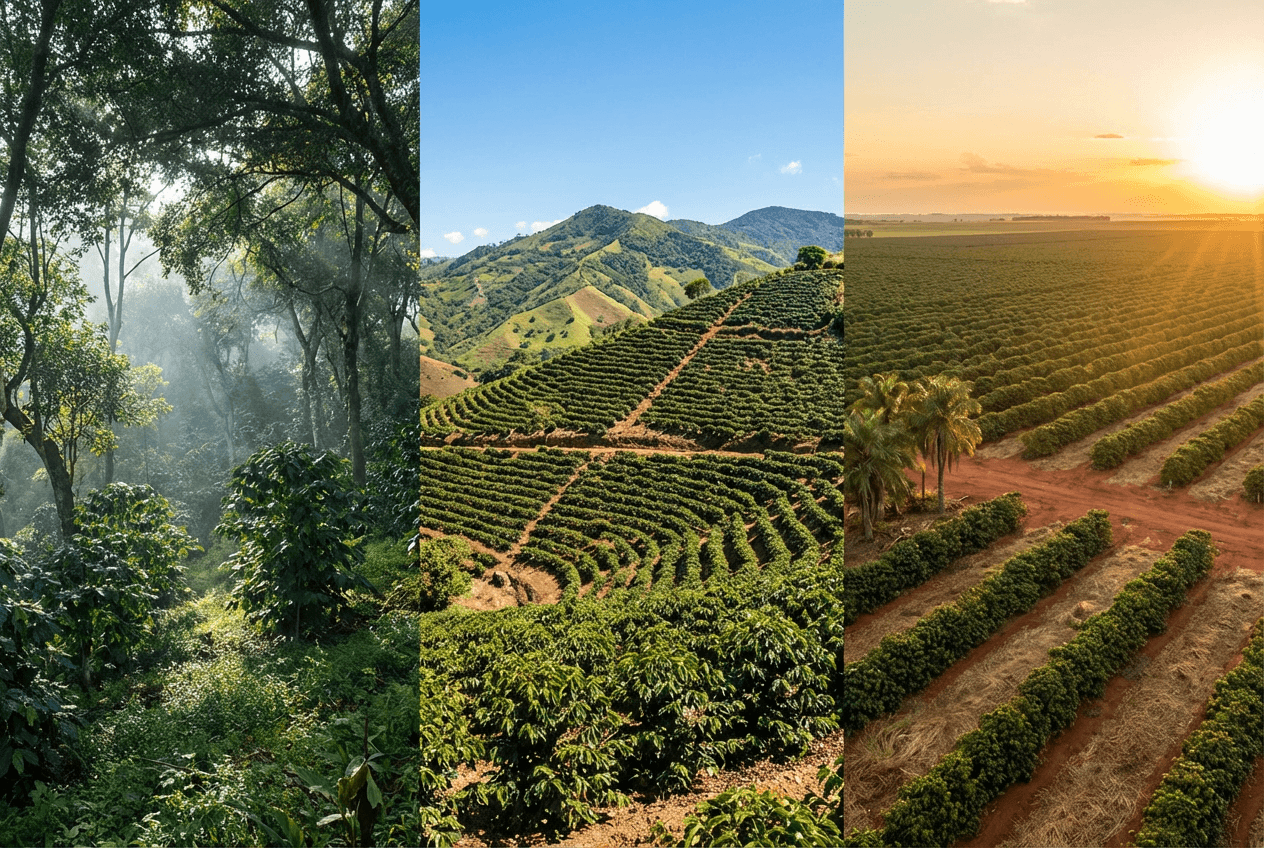
Just like wine grapes, coffee beans absorb characteristics from their environment — the soil minerals, altitude, rainfall, and temperature all leave fingerprints on the flavor in your cup. Here's a cheat sheet of what to expect from the most popular coffee-growing origins:
| Origin | Typical Tasting Notes | Character |
|---|---|---|
| Ethiopia | Blueberry, jasmine, bergamot, lemon | Bright, fruity, floral |
| Colombia | Caramel, nuts, red apple, milk chocolate | Balanced, sweet, medium-bodied |
| Brazil | Chocolate, peanut, brown sugar, low acidity | Heavy, nutty, classic espresso |
| Kenya | Blackcurrant, berry, tomato-like acidity | Bold, complex, juicy |
| Guatemala | Dark chocolate, hazelnut, honey | Full body, rich sweetness |
| Costa Rica | Citrus, honey, milk chocolate | Clean, balanced, bright |
| Sumatra (Indonesia) | Earthy, smoky, tobacco, herbal | Heavy, savory, deep |
These are broad strokes — individual coffees within each origin vary widely based on specific growing conditions and the producer's practices. For a deeper dive into how growing regions influence flavor, check out our guide to coffee flavor profiles by origin.
Processing Method
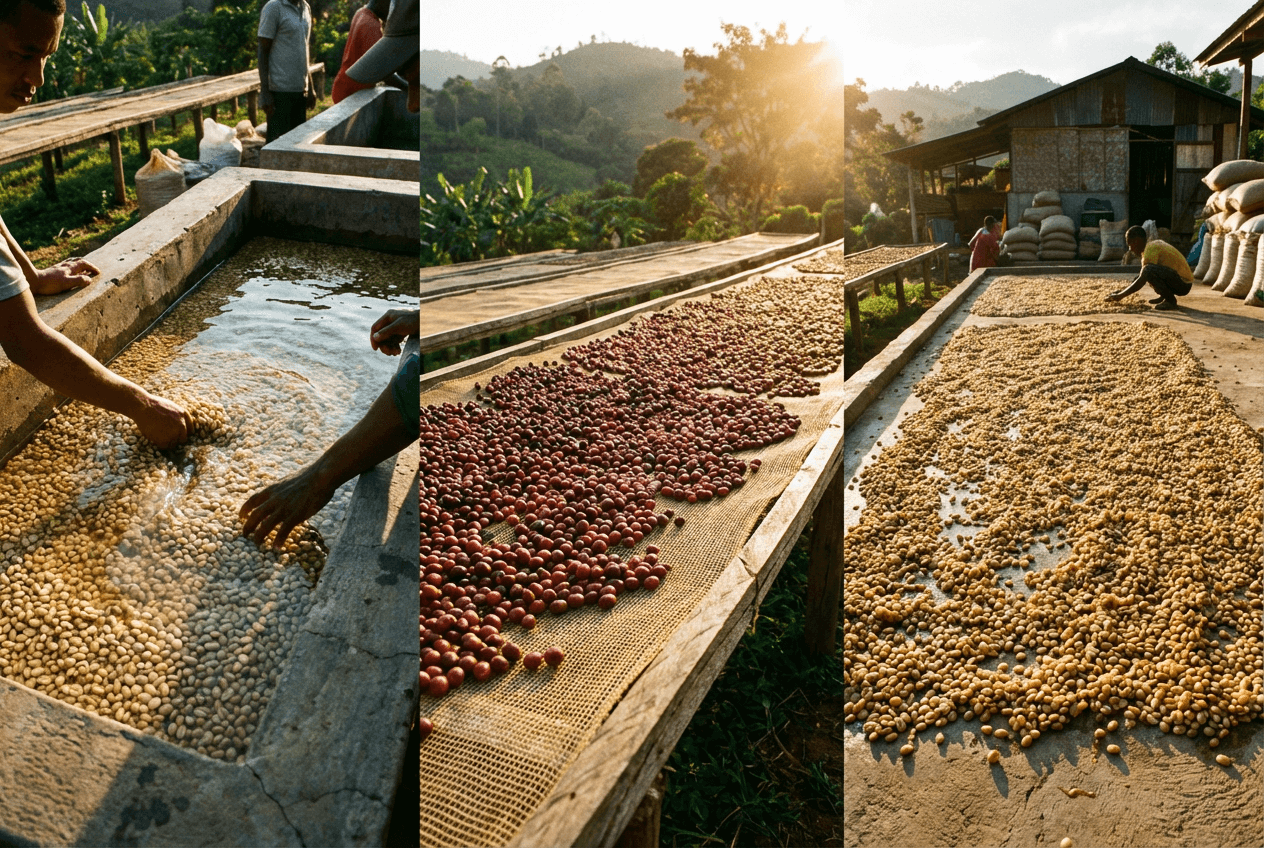
After coffee cherries are picked, the seeds (coffee beans) need to be separated from the fruit. How this happens dramatically changes the final tasting notes and the overall flavor experience:
- Washed (wet) process — The fruit is removed immediately, and beans ferment in water. Result: clean, bright, higher acidity. Floral and citrus notes shine through. This process highlights the bean's inherent character and is common in Colombia, Kenya, and Ethiopia.
- Natural (dry) process — The whole cherry dries around the bean in the sun for weeks. Result: fruity, heavy body, wine-like sweetness. Berry and tropical flavors are amplified because the bean absorbs sugars from the fruit during drying.
- Honey process — A hybrid method. The skin is removed but the sticky mucilage layer stays on during drying. Result: sweet, moderate acidity, complex. You get fruit-forward character with more clarity than naturals. Common in Costa Rica and other Central American coffees.
If you see "natural" or "washed" on a coffee bag, that processing info is telling you as much about the taste experience as the origin is.
Roast Level
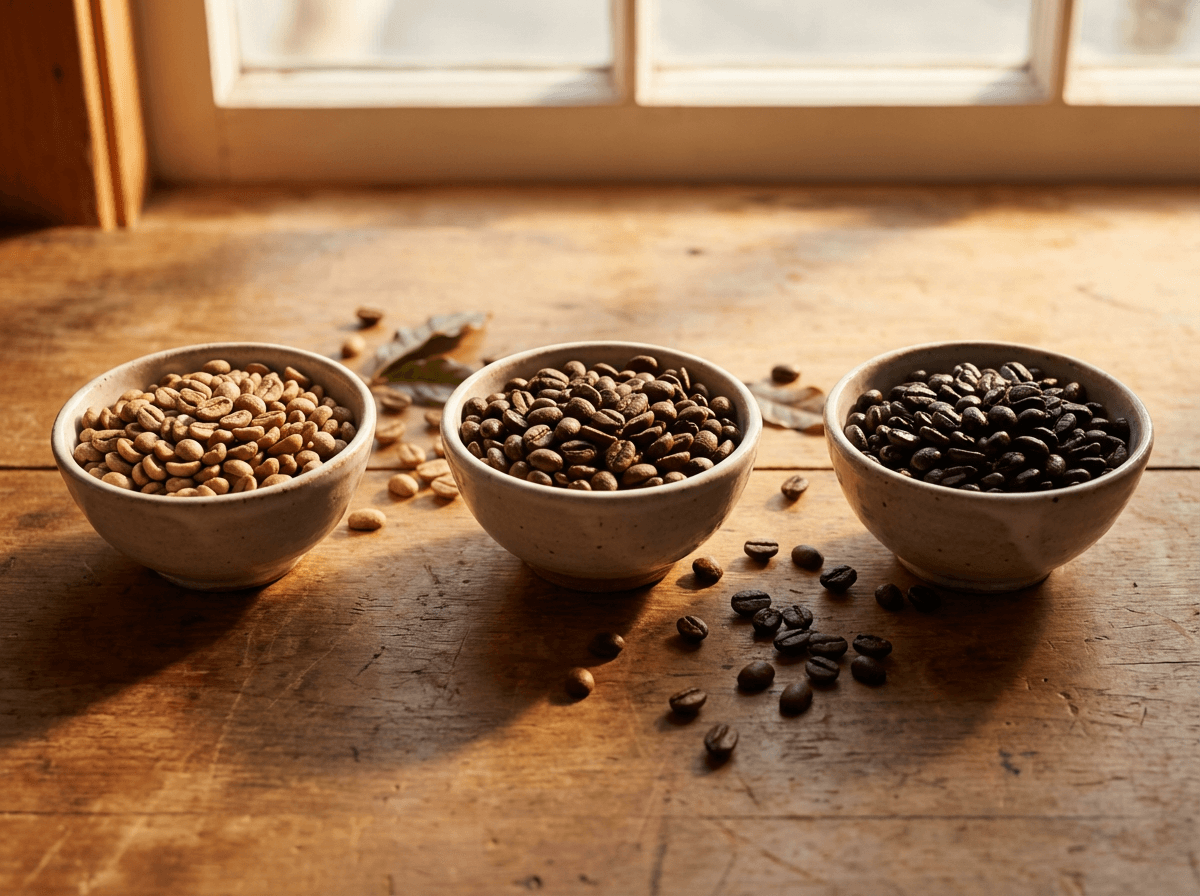
Roasting is where raw green coffee beans transform into the aromatic brown beans we recognize. The degree of roast changes the flavor experience dramatically:
- Light roast — Preserves the coffee bean's origin character. Expect more acidity and complex fruity, floral, or tea-like tasting notes. This is where you taste the bean itself and can most clearly experience the origin's unique flavors.
- Medium roast — A balance point. Origin notes blend with roast-developed flavors like caramel, chocolate, and toasted nuts. The most approachable roast for most coffee drinkers.
- Dark roast — Roast character takes over. Smoky, bitter, chocolatey, with low acidity. Most origin-specific tasting notes are burned away, which is why dark roasts from different origins can taste more similar to each other.
Want to understand the differences in more depth? Our coffee roast levels guide breaks down exactly what happens at each stage of the roasting process and how it affects the flavors you'll taste in your cup.
How to Actually Taste Coffee (A Simple 4-Step Guide)
Reading about coffee tasting notes is one thing. Actually identifying flavors in your cup takes a bit of practice — but it's simpler than you'd think. Here's how professional coffee tasters do it, adapted for your kitchen:

Step 1: Smell first Before you sip, bring the cup close to your nose and inhale. Our sense of smell accounts for the vast majority of what we perceive as "flavor." Notice anything familiar? Fruity? Chocolatey? Earthy? Even vague impressions count — you're training your brain to describe what it detects.
Step 2: Slurp (seriously) Take a spoonful and slurp it loudly. Yes, this looks ridiculous. But slurping sprays coffee across your entire palate and aerates it, carrying aromatic compounds up to your nose simultaneously. Professional cuppers slurp aggressively — the louder, the better the tasting experience.
Step 3: Locate the flavors Notice where you taste things. Sweetness often hits the tip of your tongue. Acidity shows up on the sides. Bitterness lingers at the back. Is the coffee heavy and syrupy (full body) or light and tea-like? These physical sensations help you describe the overall character.
Step 4: Name what you find Start broad. Don't try to describe "Kenyan blackcurrant" on your first attempt. Instead ask yourself: Is this fruity or nutty? Sweet or earthy? Bright or mellow? From there, narrow down. "Fruity" might become "berry-like," which might eventually become "raspberry." With practice, your ability to identify and name specific tasting notes improves quickly.
Pro tips for practicing at home:
- Taste two coffees side by side. Comparing different coffees makes the flavor differences obvious. Try a Brazilian alongside an Ethiopian — you'll immediately notice one tastes nuttier and the other fruitier.
- Drink it black. Milk and sugar mask the subtle compounds that create tasting notes. You don't have to drink it black forever, but it helps while learning to taste.
- Let it cool. Coffee reveals different notes at different temperatures. What tastes one-dimensional at scalding hot often opens up with complexity as it cools to drinking temperature. Re-taste your coffee every few minutes and notice how the flavors change.
Skip the Guesswork: Let Cafy Decode Tasting Notes for You

Now you understand what coffee tasting notes mean, where they come from, and how to start identifying flavors yourself. But here's a practical challenge: you're standing in the grocery store staring at 30 different bags of coffee. Some have detailed tasting notes on the label. Some have nothing useful at all.
That's exactly what Cafy was built for. Point your iPhone camera at any packaged coffee, and Cafy instantly identifies it — pulling up detailed tasting notes, roast level, and flavor profile information. It's like having a personal coffee sommelier in your pocket who can describe any coffee's flavor before you buy.
You can save coffees you've tried, build a personal collection of your favorites, and browse curated picks in collections like "Smooth Sippers" or "Bold & Strong" to discover new coffees that match your taste preferences. If you're someone who's just getting started and looking for the best coffee for non-coffee drinkers, knowing the tasting notes before you buy saves a lot of trial and error.
Try Cafy free for 3 days and scan your first bag.
Frequently Asked Questions
Are coffee tasting notes real?
Yes — and they're backed by chemistry, not just poetry. Roasted coffee contains over 1,000 identified chemical compounds, many of which are identical to molecules found in fruits, nuts, spices, and other foods. When a trained cupper says a coffee has "blueberry notes," they're identifying compounds like ethyl-3-methylbutanoate that literally trigger the same taste receptors as actual blueberries. That said, the tasting experience is subjective — not everyone will detect the exact same notes, and that's completely normal. Your palate, your brewing method, and even your mood all play a role.
Why can't I taste what the bag says?
Several factors could be at play:
- Freshness — Coffee's volatile flavor compounds degrade significantly after 4–6 weeks post-roasting. Stale coffee tastes flat regardless of what tasting notes are printed on the label.
- Brew method — A French press emphasizes body and mutes acidity. A pour-over highlights brightness and floral notes. Different methods extract different flavor compounds from the same beans.
- Milk and sugar — Both mask the subtle aromatic compounds that create specific tasting notes. Try tasting it black, at least once.
- Palate experience — If you've never tasted lychee or marzipan, those reference points mean nothing to your brain. The more diverse foods you taste and experience, the larger your flavor vocabulary becomes.
- Expectations vs. reality — Tasting notes are suggestions, not promises. "Blueberry" doesn't mean the coffee tastes exactly like a blueberry. It means there's a subtle fruity quality that reminds trained tasters of blueberry.
Do tasting notes apply to pre-ground coffee?
Yes, but freshness matters even more with pre-ground coffee. Grinding exposes far more surface area to oxygen, accelerating the loss of those volatile compounds that create distinct flavors. Pre-ground coffee from a freshly roasted bag will still show its tasting notes if brewed within a week or two. A bag that's been sitting on a grocery shelf for months? The original notes will be much harder to taste and describe.
Does the brew method change tasting notes?
Absolutely. A single coffee can taste quite different depending on how you brew it:
- Pour-over/drip highlights acidity and delicate floral or fruity notes
- French press emphasizes body, sweetness, and heavier chocolate or nutty flavors
- Espresso concentrates everything — intensity goes up, and bittersweet caramel notes often dominate the taste experience
- Cold brew reduces perceived acidity and brings out smooth, sweet, chocolatey characteristics
This is why the same bag of coffee can deliver two distinctly different flavor experiences depending on your brewing method.
Are tasting notes the same as flavored coffee?
No — they're completely different things. Flavored coffee has actual ingredients added after roasting (hazelnut oil, vanilla extract, etc.) to create an artificial taste. Tasting notes describe the coffee bean's naturally occurring flavors, which come from its variety, origin, processing, and roast level. If a bag says "notes of hazelnut," no hazelnut was involved — it's describing a naturally occurring nutty flavor compound in the bean. If it says "hazelnut flavored," that's a different product entirely.
Ready to discover your perfect coffee?
Download Cafy and scan any coffee to see tasting notes, roast levels, and more.
Download Free