Coffee Roast Levels: The Complete Visual Guide
Learn all 4 coffee roast levels from light to dark with our visual chart. Compare flavors, temperatures, and acidity to find your perfect roast.
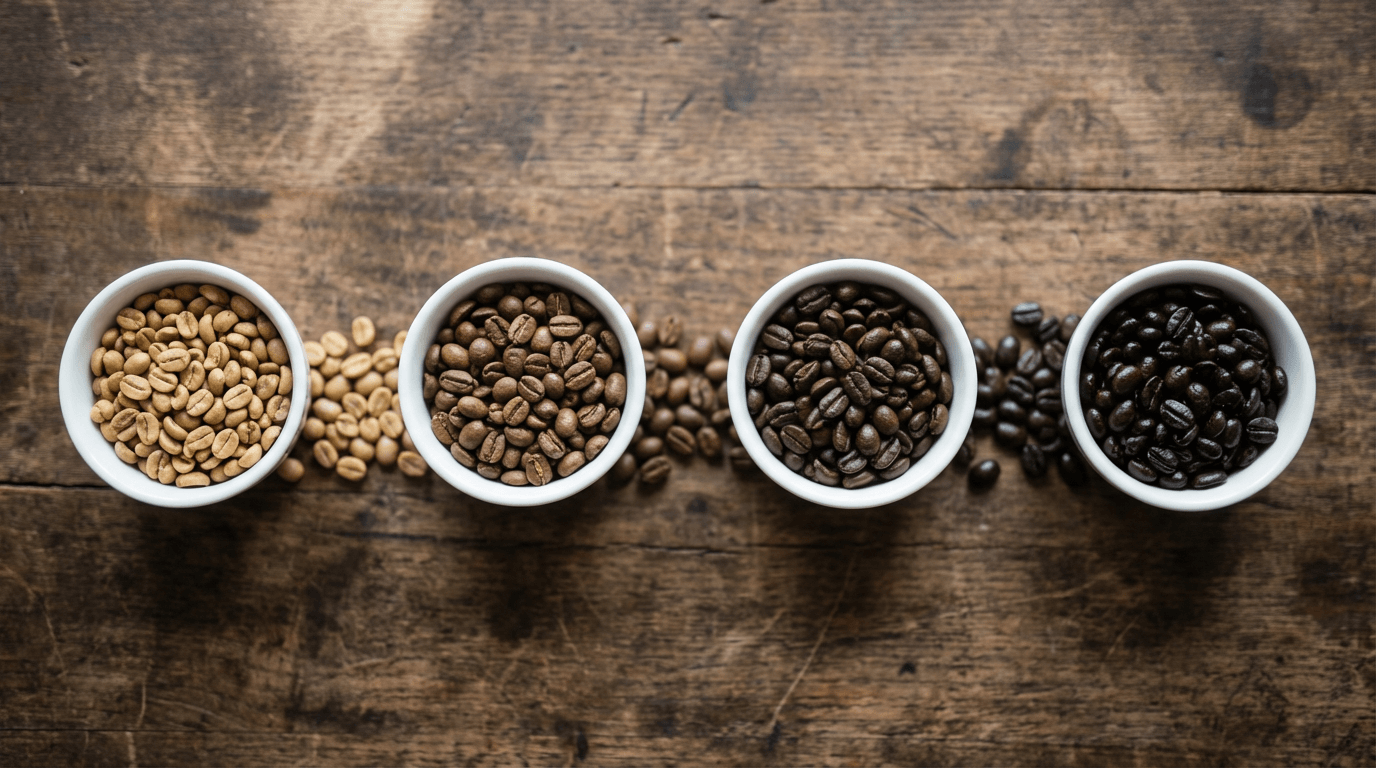
Every bag of coffee on the shelf started as the same green seed. What makes one taste like blueberries and another like dark chocolate? The roast level.
Coffee roast levels determine everything about your cup — the flavor, the body, the acidity, even the color of the brew. Yet most coffee drinkers choose by brand name or price, not by understanding coffee roasting levels. That's like buying wine based only on the label art.
This guide breaks down every coffee roast level with a clear chart, temperatures, flavor profiles, and practical advice so you can pick the right roast every time.
Quick Summary: Coffee roast levels range from light (380–405°F) to dark (450–480°F), with each level producing distinct flavors. Light roasts are bright and fruity, medium roasts are balanced and sweet, medium-dark roasts are bold and chocolatey, and dark roasts are smoky and intense. Contrary to popular belief, dark roast does not have more caffeine — the difference across roast levels is negligible.
What Are Coffee Roast Levels?
A coffee bean roast level refers to how long and at what temperature coffee beans are heated during roasting. Green coffee beans enter the roaster at room temperature and are gradually heated until they reach a specific internal temperature — anywhere from 380°F to 480°F — which defines the final roast level.
Two key moments during roasting serve as milestones:
- First crack (~385–405°F): Steam pressure inside the bean causes it to pop audibly, similar to popcorn. This marks the beginning of light roast territory.
- Second crack (~440–455°F): The bean's cellulose structure fractures, producing a sharper snapping sound. This signals the transition into medium-dark and dark roasts.
Between these cracks, a transformation happens. Sugars caramelize. The Maillard reaction (the same chemistry that browns a steak) develops hundreds of flavor compounds. Acids break down. Oils migrate toward the bean surface.
The longer beans roast past first crack, the more "roast flavor" develops — and the more the bean's original character fades. That's the core tradeoff: light roasts highlight where the coffee came from, while dark roasts highlight what the roaster did to it.
There are four main coffee roasting levels, each with several common names. Here's how they compare at a glance.
Coffee Roast Levels Chart
Use this coffee roast levels chart as a quick reference when shopping or comparing beans:
| Roast Level | Temperature | Common Names | Color | Oil on Surface | Acidity | Body | Dominant Flavors |
|---|---|---|---|---|---|---|---|
| Light | 380–405°F | Blonde, Cinnamon, New England, Half City | Light brown | None | High | Light | Fruity, floral, citrus |
| Medium | 410–430°F | City, American, Breakfast | Medium brown | None | Medium | Medium | Caramel, chocolate, nuts |
| Medium-Dark | 435–445°F | Full City, Vienna, After Dinner | Rich brown | Slight sheen | Low-Medium | Medium-Full | Bittersweet chocolate, spice |
| Dark | 450–480°F | French, Italian, Espresso, Spanish | Dark brown to black | Oily | Very Low | Full-Heavy | Smoky, charred, bittersweet |
A few notes on this coffee roast level chart: temperature ranges are approximate internal bean temperatures and can vary slightly between coffee varieties and roasting equipment. The names are also imprecise — one roaster's "Vienna" might be another's "Full City+." Color and taste are more reliable indicators than names alone.
Now let's explore each roast level in detail.
Light Roast (380–405°F)
Also called: Blonde, Cinnamon, New England, Half City, Light City
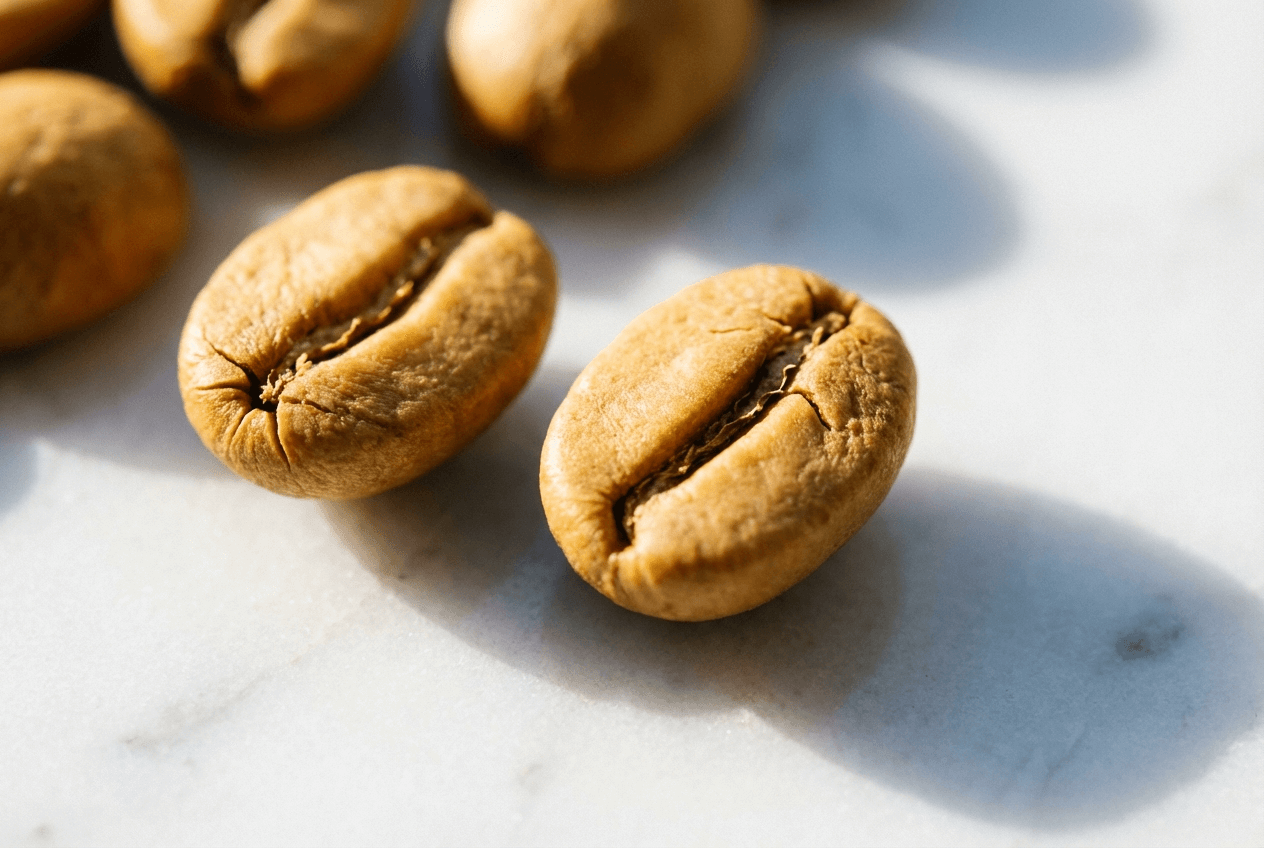
Light roast coffee is pulled from the roaster at or just after first crack. The beans are light brown, dry on the surface (no oil), and noticeably dense — they're harder and heavier than darker roasts because they've retained more moisture.
Flavor profile: This is where origin shines. Light roasts preserve the unique characteristics of the coffee's growing region. Expect bright, complex flavors: Ethiopian beans might taste like blueberries or jasmine, while Kenyan beans could lean toward black currant and tomato-like acidity. Common tasting notes include citrus, stone fruit, floral, and tea-like qualities.
Acidity: High. Light roasts have the most pronounced acidity, which coffee professionals describe as "brightness." This isn't sourness — it's the lively, crisp quality that gives light roast its complexity.
Body: Light and delicate. Think of the difference between skim milk and whole milk — light roast coffee feels thinner on the tongue.
Best brewing methods: Pour-over, drip, and AeroPress. These methods let the nuanced flavors develop without overpowering them. Light roasts are also popular for cupping (professional coffee tasting) because they reveal the most about the bean itself.
If you're exploring different types of coffee beans, light roast is the best way to taste the difference between varieties and origins.
Medium Roast (410–430°F)
Also called: City, American, Breakfast
Medium roast sits between the end of first crack and the start of second crack. The beans are a solid medium brown — darker than light roast but without any oil on the surface. This is the sweet spot that most American coffee drinkers gravitate toward, and it's the most widely sold roast level in the U.S.
Flavor profile: Medium roast balances origin character with roast-developed sweetness. The fruity, floral notes of a light roast give way to warmer flavors: caramel, milk chocolate, toasted nuts, and brown sugar. You'll still taste some of the bean's natural character, but it's rounded and approachable rather than sharp and complex.
Acidity: Moderate. The brightness is tamed but not eliminated. It's balanced by a sweetness that develops during caramelization of the bean's natural sugars.
Body: Medium. A satisfying, well-rounded mouthfeel — neither thin nor heavy.
Best brewing methods: Drip coffee makers, pour-over, cold brew, and AeroPress. Medium roast is the most versatile roast level — it works well with almost any brewing method, which is part of why it's so popular.
Medium roast is a solid starting point if you're new to specialty coffee. For more beginner-friendly picks, check out our guide to the best coffee for non-coffee drinkers.
Medium-Dark Roast (435–445°F)
Also called: Full City, Full City+, Vienna, After Dinner
This is where the second crack begins. The beans are a rich, dark brown with a slight oil sheen on the surface — the first visible sign of oils migrating outward as the bean's structure breaks down. Medium-dark roast marks the transition where roast flavor starts to dominate origin flavor.
Flavor profile: Think bittersweet chocolate, toasted spices, caramel with a hint of smokiness, and a deep, warming sweetness. The bright, fruity notes from lighter roasts are mostly gone, replaced by roast-forward richness. Some people describe this roast level as "the full experience" — complex enough to be interesting, bold enough to stand up to milk.
Acidity: Low to medium. Much of the sharp acidity has been broken down by the extended roasting time. If you find light roasts too bright or sour-tasting, medium-dark is a natural next step.
Body: Medium-full. Noticeably heavier and richer than a medium roast, with a velvety mouthfeel.
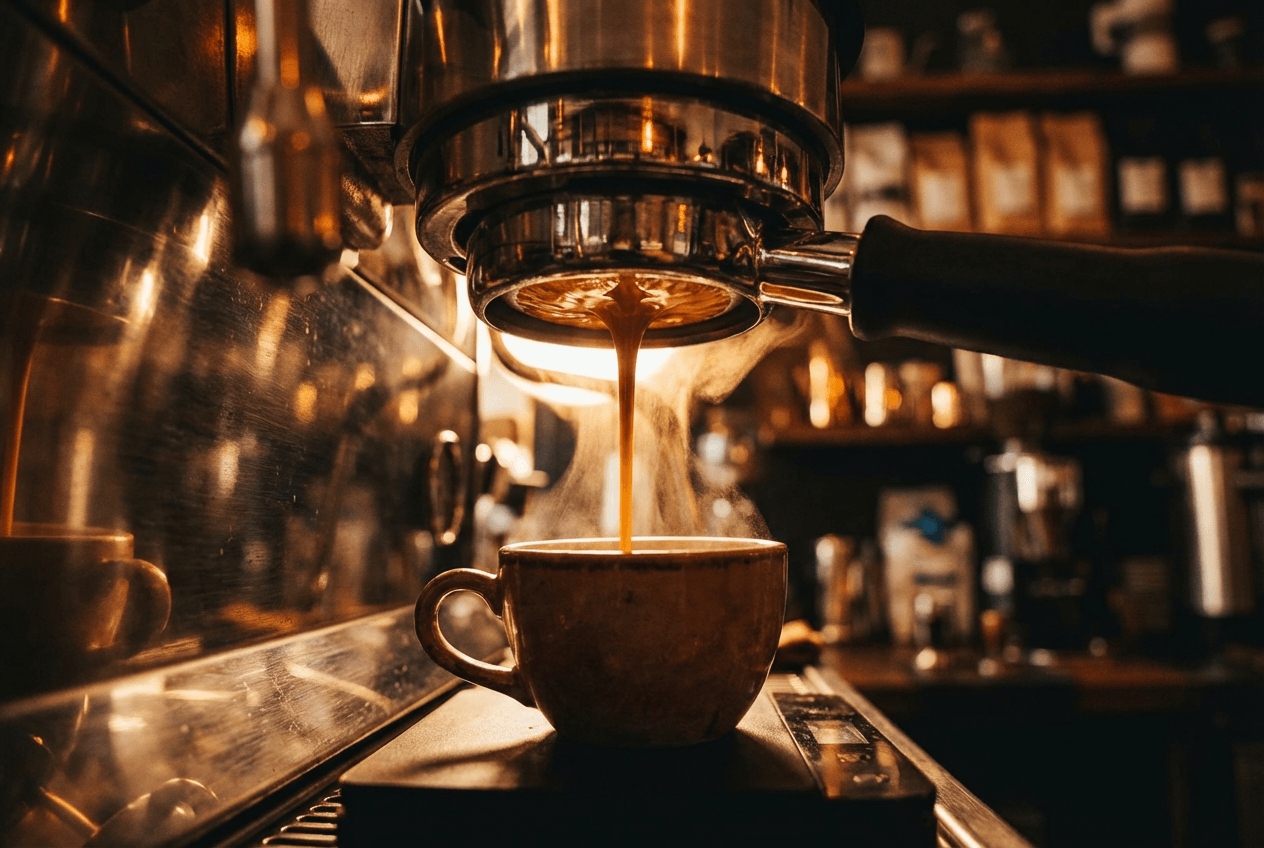
Best brewing methods: Espresso, French press, and Moka pot. The fuller body and lower acidity make medium-dark roast ideal for espresso-based drinks — it produces a thick crema and holds up well with steamed milk in lattes and cappuccinos.
Dark Roast (450–480°F)
Also called: French, Italian, Espresso, Spanish, Continental
Dark roast beans are deep brown to nearly black, and the surface is visibly oily. At this stage, the second crack is well underway (or finished), and the bean's internal structure has broken down significantly. The beans are lighter in weight — they've lost more moisture — and will be larger in size than lighter roasts of the same coffee.
Flavor profile: Smoky, bittersweet, charred, and intense. Dark roasts taste primarily of the roast itself rather than the coffee's origin. You might get dark chocolate, burnt caramel, pipe tobacco, or even ashy notes at the extreme end. Origin character is almost entirely gone by this point.
Acidity: Very low. Dark roasts are the smoothest in terms of acidity, which is why some people with acid sensitivity prefer them.
Body: Full and heavy. A thick, almost syrupy mouthfeel when brewed correctly.
Best brewing methods: Espresso, cold brew concentrate, Turkish coffee, and French press. Dark roasts can handle aggressive extraction and still deliver bold flavor. They're also the traditional choice for espresso in Southern European style.
One important note: there's a difference between "dark roast" and "burnt." A skilled roaster can produce a dark roast that's rich and complex. A poorly roasted dark coffee just tastes like charcoal. Quality matters at every coffee roast level.
For a deeper dive into the flavor differences between the extremes, see our light roast vs dark roast comparison.
The Caffeine Myth: Does Dark Roast Really Have More?
This is one of the most persistent myths in coffee: dark roast is "stronger," so it must have more caffeine.
It doesn't.
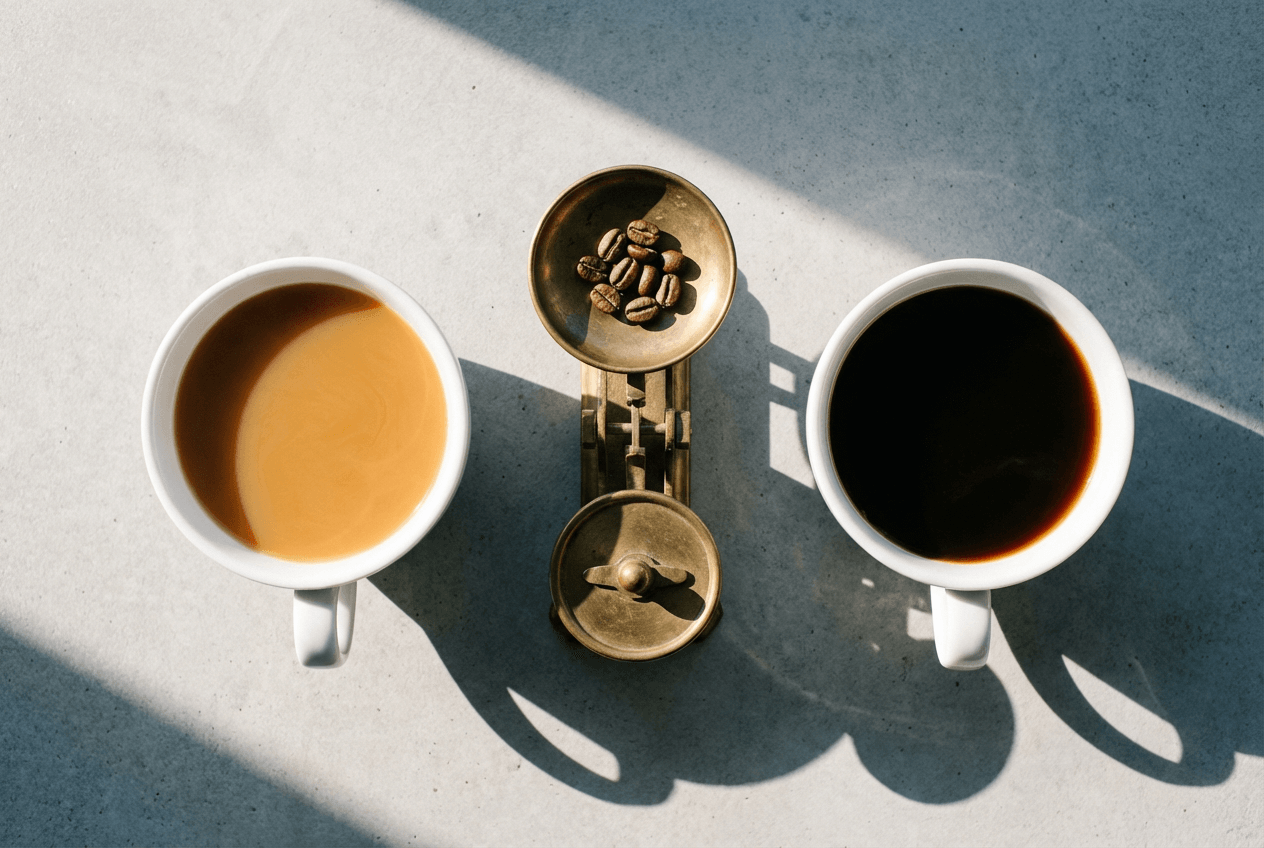
A 2025 study published in Scientific Reports by researchers at Berry College and Drexel University put this question to a controlled test. Their findings: coffee loses caffeine during the later stages of roasting, meaning light and medium roasts actually contain slightly more caffeine per gram of roasted coffee.
But it gets more interesting. The same study found that medium roasts tend to deliver the most caffeine per cup under identical brewing conditions. Why? Two competing factors are at play:
- Roasting reduces caffeine — later roasting stages cause caffeine to sublimate (transition from solid to gas), so darker beans have less.
- Darker beans are more porous — their broken-down structure lets water extract more of what's left inside.
Medium roasts hit the sweet spot: they retain most of their caffeine and have enough porosity for efficient extraction.
Here's a practical breakdown:
- By weight (grams): Light roast has slightly more caffeine — the beans are denser, so there's more coffee mass per gram.
- By volume (scoops): Roughly equal, because dark roast beans are larger and lighter, so you use more beans per scoop.
- In the cup: Under identical brewing, medium roasts tend to extract the most caffeine.
The real takeaway? Don't choose your coffee roast level based on caffeine. The difference is minimal. Choose based on flavor. If you need more caffeine, just add another scoop — that'll do far more than switching roast levels.
Which Roast Level Is Right for You?
Still not sure which coffee roast level to pick? Here's a quick decision guide based on what you actually care about:
You should try light roast if you:
- Enjoy tea, fruit juices, or complex flavors
- Want to taste where the coffee was grown
- Drink your coffee black
- Like bright, lively acidity
You should try medium roast if you:
- Want a balanced, crowd-pleasing cup
- Are new to specialty coffee (start here — it's the best coffee for beginners)
- Like sweet, smooth flavors without bitterness
- Want a versatile coffee that works with any brewing method
You should try medium-dark roast if you:
- Drink espresso-based drinks (lattes, cappuccinos)
- Like bold flavors but still want some nuance
- Add milk or cream to your coffee
- Find light roasts too acidic
You should try dark roast if you:
- Love intense, smoky flavors
- Prefer coffee with very low acidity
- Make cold brew concentrate or Turkish coffee
- Enjoy the traditional European espresso style
The best approach? Buy a few different coffee bean roast levels of similar quality and taste them side by side. Your palate will tell you more than any guide can.
How Cafy Identifies Roast Levels Instantly
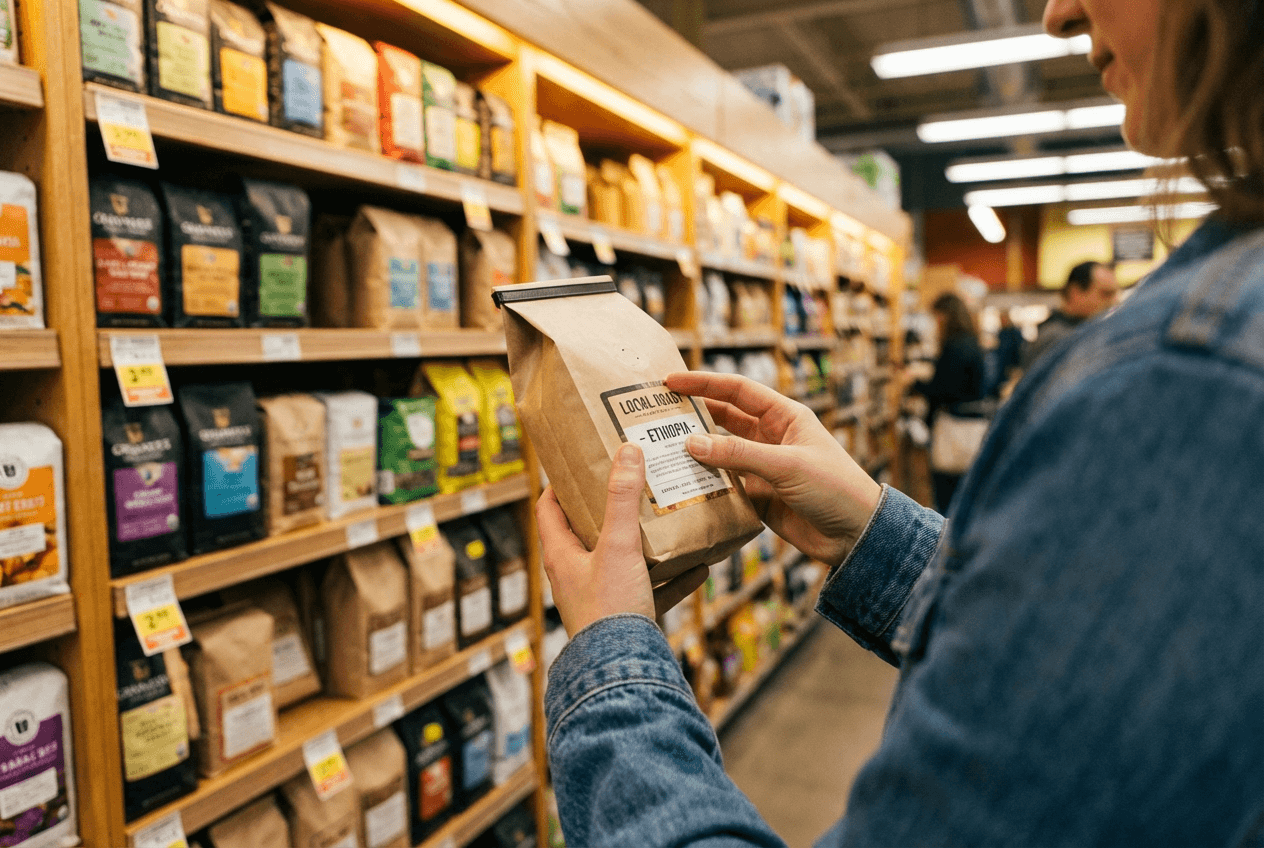
Understanding roast levels is useful. Being able to identify them when you're standing in the coffee aisle? That's where it gets practical.
Cafy lets you scan any packaged coffee with your iPhone camera and instantly see its roast level, tasting notes, and full flavor profile. No more guessing whether "Breakfast Blend" is a light or medium roast, or what "Vienna Style" actually means on the label.
Here's how it works:
- Point your camera at any packaged coffee bag, box, or pod
- Cafy identifies it and shows the roast level along with detailed tasting notes
- Save it to your personal coffee library to remember what you liked
It's like having everything in this guide available in your pocket — every time you shop for coffee. You can browse coffees by roast level, compare flavor profiles, and build a collection of your favorites over time.
Try it free for 3 days and start scanning.
Frequently Asked Questions
What is the most popular coffee roast level?
Medium roast is the most widely consumed roast level in the United States. Its balanced flavor — not too bright, not too bitter — appeals to the broadest range of coffee drinkers. Most commercial drip coffee brands and diner coffee fall into the medium roast category.
Which coffee roast level is the strongest?
"Strong" can mean two things. If you mean flavor intensity, dark roast tastes the boldest and most intense. If you mean caffeine content, light and medium roasts actually contain slightly more caffeine per gram of coffee beans. The perception that dark roast is "stronger" comes from its bold, smoky taste — not from higher caffeine.
Is espresso a roast level?
Not exactly. "Espresso roast" is a marketing term, not a standardized coffee roast level. It typically refers to a medium-dark to dark roast optimized for espresso machines. But you can make espresso from any roast level — many specialty coffee shops pull shots with medium or even light roast beans.
Can you tell roast level by looking at coffee beans?
Yes, to a degree. Light roasts are pale brown and dry. Medium roasts are medium brown and still dry. Medium-dark roasts show a slight oil sheen. Dark roasts are oily and very dark brown to black. But color alone can be misleading — bean variety, age, and processing method also affect appearance. Scanning a coffee with Cafy gives you a definitive answer along with the full flavor profile.
Does roast level affect the health benefits of coffee?
Somewhat. Light roasts retain higher levels of chlorogenic acids, which are antioxidants associated with various health benefits. However, dark roasts produce compounds like N-methylpyridinium (NMP) during roasting, which may be gentler on the stomach. Both roast levels provide caffeine and antioxidants — the health differences are relatively small compared to the overall benefits of moderate coffee consumption.
What roast level does Starbucks use for their standard coffee?
Starbucks is known for roasting on the darker end of the spectrum. Their standard Pike Place Roast is a medium roast, but it trends darker than what most specialty roasters would call "medium." Their Blonde Roast line is their lightest offering, roughly equivalent to a light-to-medium roast by specialty standards. Starbucks introduced the blonde roast category in 2012, helping popularize lighter roasts in mainstream coffee culture.
Ready to discover your perfect coffee?
Download Cafy and scan any coffee to see tasting notes, roast levels, and more.
Download Free