How to Read Coffee Labels: A Quick Visual Guide
Learn how to read coffee labels in 5 minutes. Decode origin, roast date, tasting notes, and certifications to pick better coffee every time.
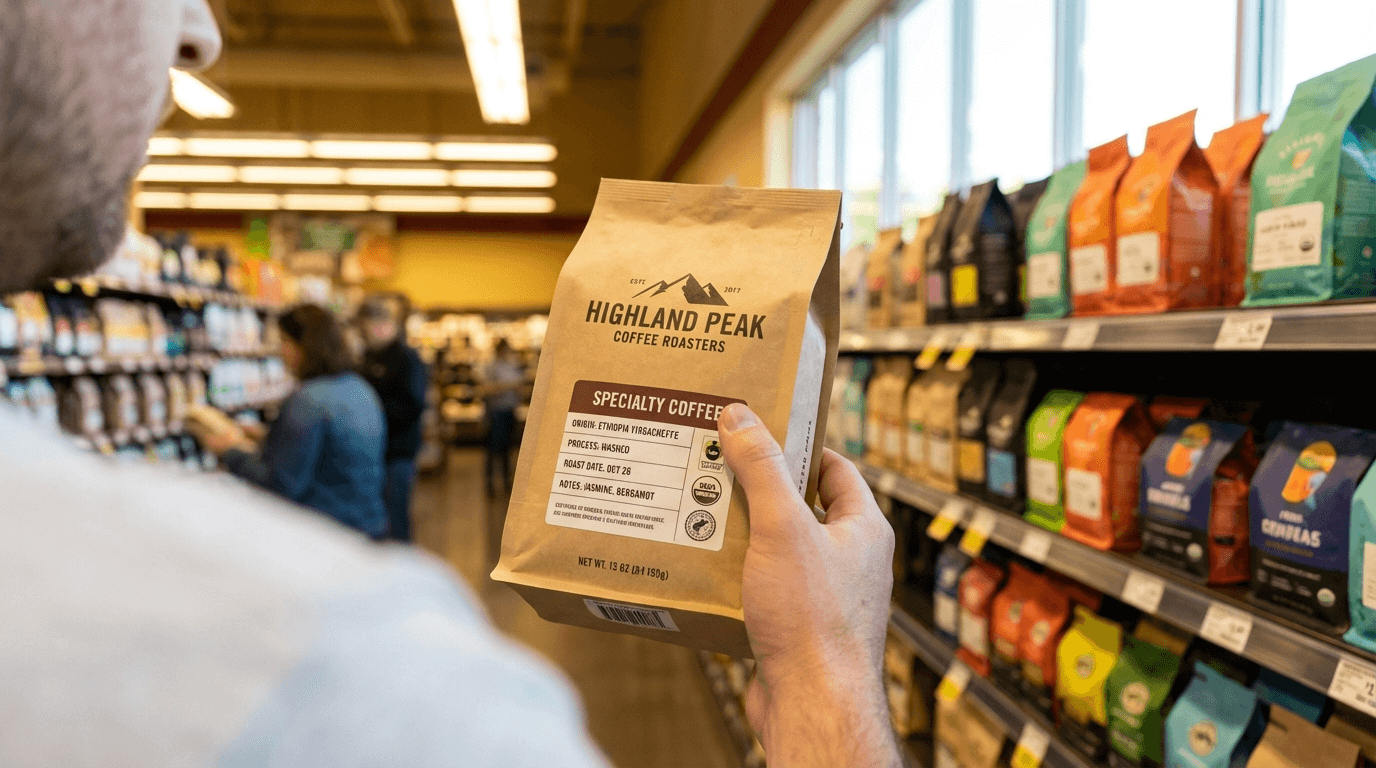
You're standing in the coffee aisle, staring at 50+ bags covered in terms like "washed process," "1,800 MASL," and "notes of stone fruit and dark chocolate." Learning how to read coffee labels shouldn't require a degree — and it doesn't. Every detail printed on the bag is information about how the coffee will taste, where the beans were grown, and whether they're worth your money.
Quick Summary: Coffee labels tell you everything about what's inside the bag — from where beans were grown to how your cup will taste. The most important information to check: origin (flavor character), roast date (freshness), roast level (intensity), and tasting notes (flavor clues). This guide teaches you how to read coffee labels so you can pick better beans in 5 minutes flat.
How to Read Coffee Labels: The 8 Key Elements
Most coffee bags — especially specialty coffees — pack up to 8 pieces of information onto their labels:
- Origin (country, region, or farm)
- Single origin or blend
- Roast level (light, medium, dark)
- Roast date (when the beans were roasted)
- Tasting notes (flavor descriptors)
- Processing method (washed, natural, honey)
- Altitude (elevation where coffee was grown)
- Certifications (Fair Trade, Organic, Rainforest Alliance)
Not every bag includes all eight — and that itself tells you something. Specialty roasters share more details on their coffee labels because they have nothing to hide. If your bag is vague on information, the coffees inside might be, too.
Let's decode each element so you know exactly what to look for next time you're shopping.
Origin: Where Your Coffee Was Grown
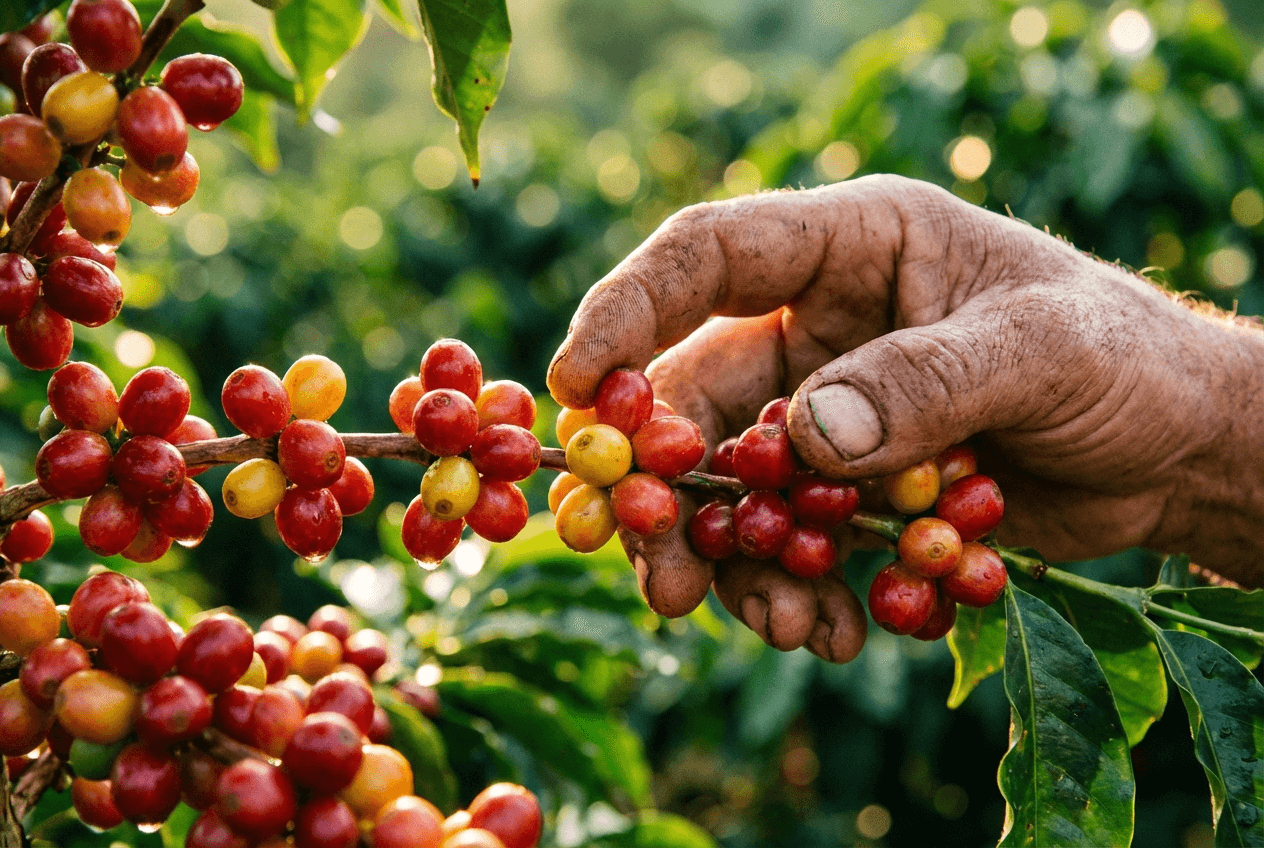
Origin is the single biggest indicator of how your coffee will taste. Just like wine grapes from different regions produce different flavors, coffee beans carry the fingerprint of the soil, climate, and altitude where they were grown.
Here's a quick flavor map by growing region:
| Region | Typical Flavors | Vibe |
|---|---|---|
| Ethiopia | Floral, fruity, berry, citrus | Bright and complex |
| Colombia | Nutty, caramel, balanced acidity | Smooth and approachable |
| Brazil | Chocolate, nutty, low acidity | Heavy-bodied and sweet |
| Guatemala | Cocoa, spice, brown sugar | Rich and full |
| Kenya | Berry, wine-like, tomato acidity | Bold and tangy |
| Sumatra (Indonesia) | Earthy, herbal, dark chocolate | Syrupy and deep |
The more specific the origin information on the label, the more the roaster knows about those beans. "Colombian coffee" is broad. "Colombia, Huila, Finca El Paraíso" tells you the country, region, and exact farm — a sign of traceability and quality.
Just starting your coffee journey? Our guide to the best coffees for non-coffee drinkers breaks down the most approachable origins and flavor profiles.
Single Origin vs. Blend
These terms appear on nearly every bag of coffee, and they mean what they sound like:
- Single origin comes from one country, region, or farm. It showcases the unique character of that place — like hearing a solo musician where every note rings clear.
- Blend combines beans from multiple origins for a balanced, consistent taste — more like a band where individual parts work together.
Neither is inherently better. Single origin coffees offer distinctiveness and seasonal variety. Blends offer reliability — your morning cup tastes the same each time you buy it.
You might also see "estate" (one farm), "microlot" (a tiny section of a farm), or "co-op" (beans pooled from multiple small farmers in one area).
Roast Level: Light, Medium, and Dark
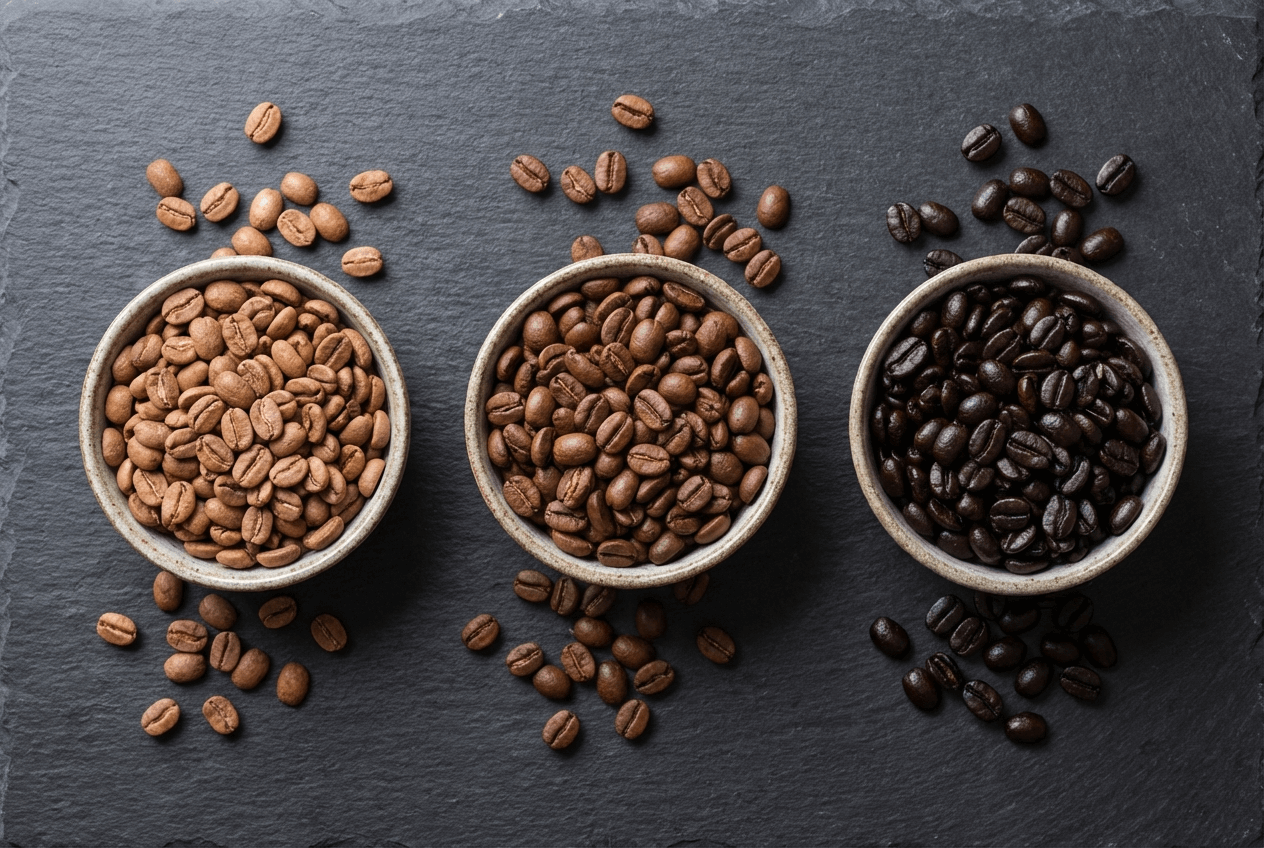
Roast level is the most recognizable piece of information on any coffee label. It controls how much of the bean's natural character comes through versus flavors created during the roasting process.
| Roast Level | Acidity | Body | Flavor Profile |
|---|---|---|---|
| Light | High (bright) | Lighter | More origin character — fruity, floral, tea-like |
| Medium | Balanced | Medium | The sweet spot — caramel, brown sugar, some fruit |
| Dark | Low | Heavy | Roast-forward — chocolate, smoky, bold, bitter |
Things worth knowing about roast labels:
- Roast levels are relative. One roaster's "medium" might be another's "medium-dark." There's no universal standard for coffee roast labels.
- Light roast ≠ weak coffee. Light roasted beans contain slightly more caffeine and more complex flavor — they're just not as bold-tasting.
- Dark roast ≠ stronger. It tastes bolder, but that's the roast talking, not extra caffeine.
New to specialty coffees? Medium roast is your safest starting point. It balances origin character with roasty sweetness. (For more beginner picks, see our guide for non-coffee drinkers.)
Roast Date vs. Expiration Date
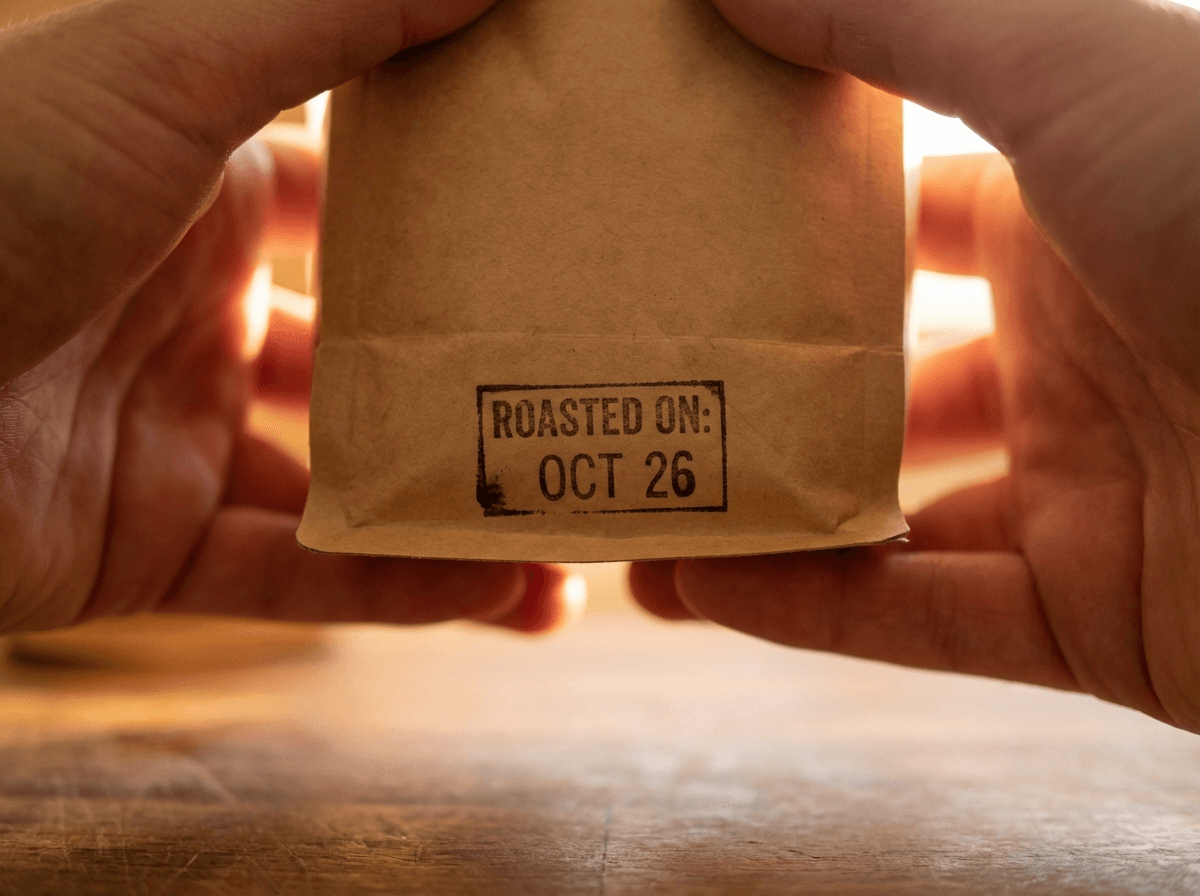
This is the label element most people skip — and it may be the most important information on the whole bag.
Roast date tells you the exact day your coffee beans were roasted. It's the freshness clock.
Expiration date (or "best by") can be stamped 12 to 24 months from the actual roast date. It reveals almost nothing about when the coffee was roasted.
Here's what happens after beans are roasted:
- Days 1–3: Beans are actively degassing (releasing CO2). Too fresh to brew at their best.
- Days 7–21: Peak flavor window. Roasted coffee tastes its most aromatic, complex, and vibrant here.
- Days 21–42: Still drinkable, but flavors are fading.
- After 6 weeks: Stale territory. Coffee can lose up to 70% of its aromatic compounds.
The bottom line: Always look for a roast date on the bag. If you only see "best by," there's no way to tell if those beans were roasted two weeks ago or six months ago.
Specialty roasters print roast dates. Most mass-market grocery store brands don't.
Tasting Notes: What They Actually Mean
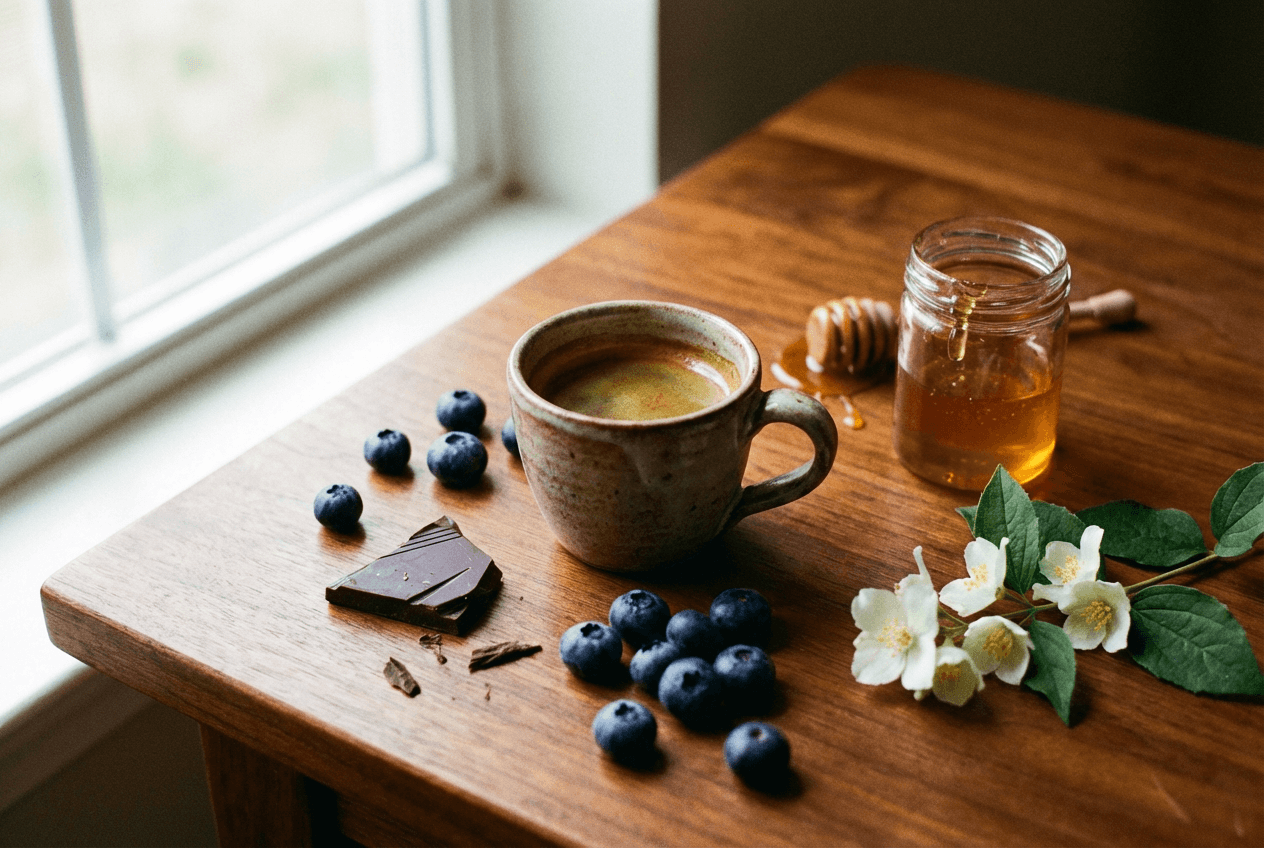
Tasting notes are one of the most misunderstood parts of coffee labels. When a bag says "notes of blueberry, dark chocolate, and honey," it does not mean the coffee was flavored with those ingredients.
These are reference points — the roaster's way of describing natural flavors present in the beans, much like how a sommelier describes wine. They come from the bean's origin, variety, processing method, and how dark it was roasted.
How to use tasting notes when you're shopping for coffee:
- Like chocolate and nuts? Look for cocoa, hazelnut, caramel, toffee. Common on medium to dark roast coffees from Brazil or Colombia.
- Prefer fruity? Look for berry, citrus, stone fruit, tropical. Typical on light roasted coffees from Ethiopia or Kenya.
- Want smooth and sweet? Look for brown sugar, honey, vanilla, cream. Often found on medium roast coffees from Central American origins.
Don't expect to literally taste blueberries. Tasting notes are signposts pointing toward a flavor neighborhood. If decoding labels in the store feels overwhelming, Cafy shows you any coffee's full flavor profile instantly — just scan the bag with your phone.
Processing Method: Washed, Natural, and Honey
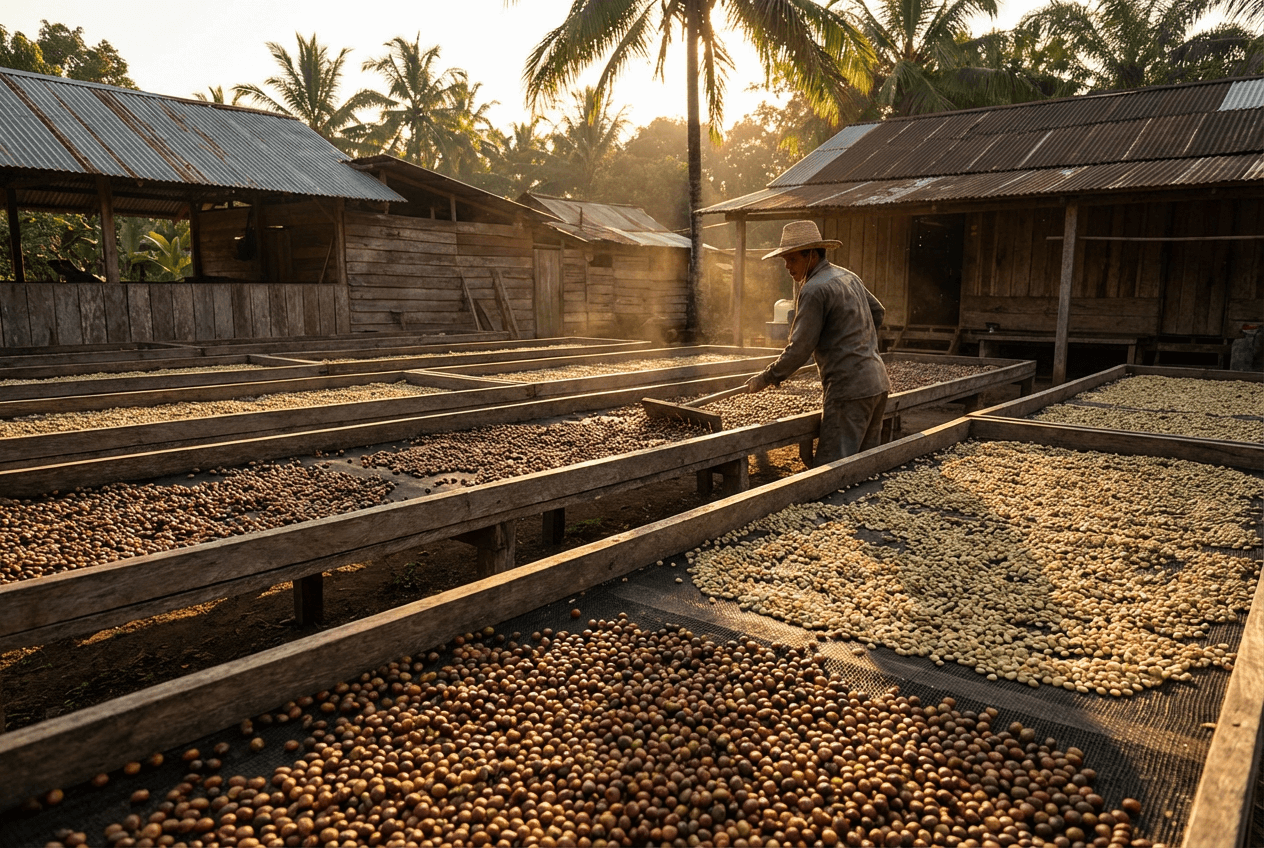
After coffee cherries are picked, the seed (your future coffee bean) needs to be separated from the fruit. How that happens affects the taste significantly.
| Method | What Happens | Flavor Impact |
|---|---|---|
| Washed (Wet) | Fruit removed, beans washed clean before drying | Clean, bright, crisp acidity. The most common method. |
| Natural (Dry) | Whole cherry dries around the bean before removal | Fruity, bold, wine-like, sometimes fermented |
| Honey | Partial fruit removal — sticky mucilage stays on during drying | Sweet, syrupy, balanced between washed and natural |
If you've ever tasted coffee that was surprisingly fruity or wine-like, it was almost certainly natural-processed. If your cup was clean and crisp, it was likely washed.
Most grocery store coffee labels don't mention processing. Specialty bags almost always do — it's one of the biggest flavor clues when learning how to read coffee labels.
Altitude: The Number You're Probably Ignoring
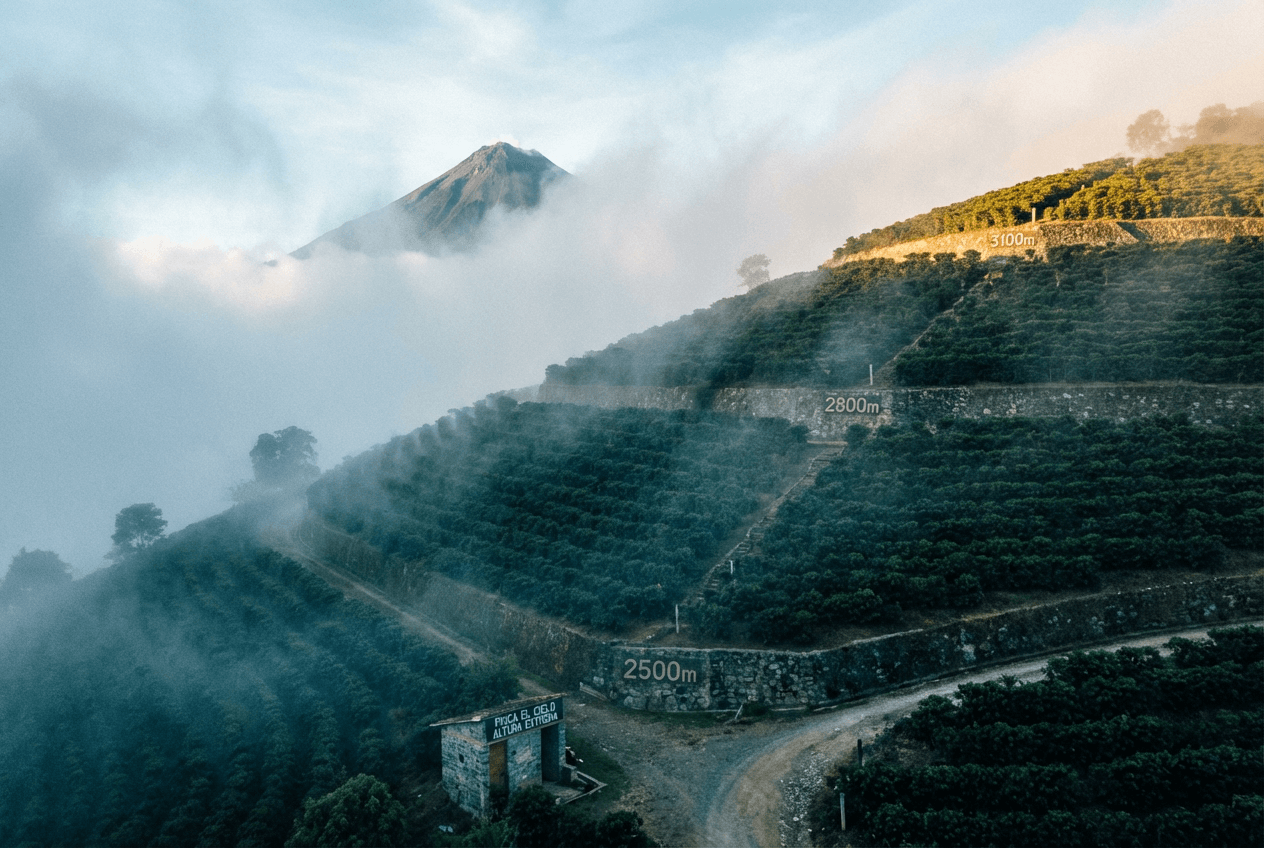
Some bags of coffee list elevation followed by "MASL" (meters above sea level). It might look like trivia, but altitude is one of the strongest predictors of bean quality and flavor complexity.
The science is straightforward: higher elevations mean cooler temperatures. Cooler temps slow cherry maturation, which develops more complex sugars and organic acids inside the bean. That directly translates to more interesting taste in your cup.
| Altitude | Flavor Character |
|---|---|
| Below 900m | Earthy, mild, lower acidity, simpler |
| 900–1,200m | Balanced, nutty, chocolatey |
| 1,200–1,500m | Fruity, spicy, more complexity |
| Above 1,500m | Floral, citrusy, wine-like — the most complex coffees |
Ethiopian Yirgacheffe, one of the world's most prized specialty coffees, grows at 1,800–2,200 MASL. That extreme altitude is a big reason for its signature floral and citrus character.
You won't see altitude on every bag, but when you do, pay attention. It's a reliable quality indicator.
Certifications: What the Logos Actually Promise
Coffee labels often display small certification logos. Here's what the most common ones mean:
Fair Trade 🤝 Guarantees coffee farmers receive a minimum price for their beans, plus a community development premium. Focus: economic justice and fair wages.
USDA Organic 🌿 No synthetic pesticides, herbicides, or fertilizers used. Certified under the USDA National Organic Program. Focus: chemical-free farming.
Rainforest Alliance 🐸 The green frog seal. Covers environmental conservation, social responsibility, and sustainability. Farms undergo rigorous annual audits. Note: RA does not require organic certification.
Bird Friendly 🐦 A Smithsonian-backed certification. Beans must be organic and shade-grown, supporting natural forest canopy and wildlife. The strictest environmental certification in coffee.
Keep in mind: No certification doesn't automatically mean bad practices. Many small-farm coffees are grown sustainably but the farmers can't afford annual audit costs. The absence of a logo isn't a red flag on its own.
Your Coffee Label Cheat Sheet
Bookmark this. Next time you're shopping and need to quickly read coffee labels, reference this table:
| Label Element | What to Look For | Why It Matters |
|---|---|---|
| Origin | Country + region or farm | Flavor character of the beans |
| Single Origin / Blend | One source or a mix | Distinctiveness vs. consistency |
| Roast Level | Light, medium, or dark | Intensity and flavor balance |
| Roast Date | An actual date (not "best by") | Freshness — #1 quality indicator |
| Tasting Notes | Descriptors like "cocoa, berry" | What your cup will taste like |
| Processing | Washed, natural, or honey | Fruity vs. clean taste |
| Altitude | MASL number (higher = better) | Complexity and quality signal |
| Certifications | Fair Trade, Organic, RA | Social/environmental commitments |
Skip the Label — Scan It Instead
Now you know how to read coffee labels like a pro. But let's be real — remembering all eight elements while juggling a shopping cart and grocery list isn't easy.
That's why we built Cafy — a coffee scanner app for iPhone and iPad. Point your camera at any packaged coffee bag, and Cafy instantly shows you the tasting notes, roast level, flavor profile, and all the information you need to choose with confidence. No label reading required.
Think of it as a coffee expert that lives in your pocket. Try Cafy free for 3 days and never second-guess a coffee purchase again.
Frequently Asked Questions
Do tasting notes mean the coffee is flavored?
No. Tasting notes describe the natural flavors already in the coffee beans — not added ingredients. When a bag says "notes of blueberry," the roasted coffee has characteristics reminiscent of blueberry, not blueberry flavoring. Flavored coffees (vanilla, hazelnut) are a different product entirely and are always clearly labeled.
How long does coffee stay fresh after the roast date?
Coffee beans hit peak flavor 7 to 21 days after roasting. They stay good for 4 to 6 weeks in an airtight container away from light and heat. After 6 weeks, flavors degrade noticeably. Ground coffee fades faster — about 1 to 2 weeks of peak taste once opened.
What's the difference between single origin and a blend?
Single origin coffee comes from one place — a country, region, or farm — and showcases that location's unique flavors. A blend combines beans from multiple origins for balanced, consistent taste. Single origin coffees are more distinctive; blends are designed for everyday reliability.
Do I need to buy certified coffee?
Not necessarily. Certifications like Fair Trade and Organic are meaningful standards, but many excellent coffees from small farms aren't certified because it's expensive. Specialty roasters who share detailed origin information on the bag is a good sign of ethical sourcing, even without logos.
What's the most important thing on a coffee label?
The roast date. Other label information tells you about flavor potential, but the roast date tells you whether that potential is still there. Even premium single origin beans lose their magic if roasted six months ago. Freshness is the foundation of good coffee.
Ready to discover your perfect coffee?
Download Cafy and scan any coffee to see tasting notes, roast levels, and more.
Download Free