Coffee That Doesn't Taste Like Coffee: 8 Options
Find 8 types of coffee that doesn't taste like coffee, from flavored grounds and cold brew to honey-processed beans. Packaged picks for grocery shoppers.
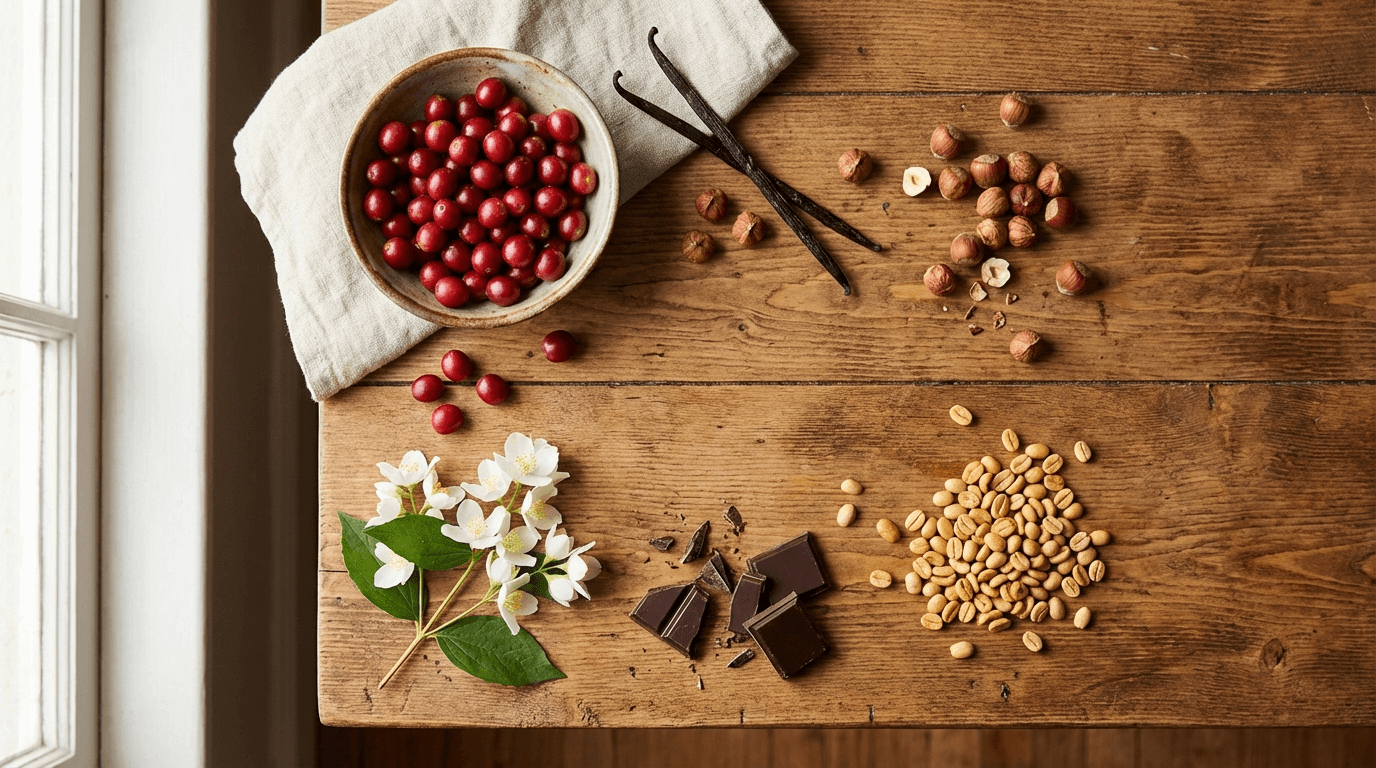
Looking for coffee that doesn't taste like coffee? You're not alone — and you have way more options than you think. The bitter, burnt flavor most people associate with a cup of coffee comes from specific beans, roast levels, and processing methods. Change those variables, and your morning drink can taste like chocolate, berries, vanilla, or even tea.
This guide covers 8 categories of packaged coffee that doesn't taste like coffee — all things you can find on grocery store shelves or order online. No café drinks, no espresso bar recipes, no brewing equipment needed beyond a basic coffee maker.
Quick Summary: Coffee that doesn't taste like coffee absolutely exists at your local store. Flavored ground coffees, light roast single origins, honey-processed beans, and cold brew concentrates all deliver caffeine with flavors ranging from chocolate and caramel to blueberry and honey. The key is knowing which type to grab — and checking the tasting notes on the package before you buy.
Why Some Coffee Doesn't Taste Like "Coffee"
That classic bitter coffee taste comes down to chemistry. Coffee beans contain chlorogenic acids that break down into bitter compounds during roasting. The darker the roast, the more those bitter compounds develop — which is why a dark French roast tastes harsh while a light roast can taste like citrus or flowers.
Four factors determine how "coffee-like" your cup will taste:
- Roast level. Light roasts preserve the bean's natural fruity and floral acids. Dark roasts create phenylindanes — the compounds behind that lingering, harsh bitterness people hate.
- Bean type. Arabica beans are naturally smoother and sweeter with roughly half the caffeine of Robusta beans. If you've had cheap, bitter coffee, it was probably a Robusta blend.
- Processing method. How the coffee cherry is dried affects its sweetness. Honey-processed and natural coffees develop real sugars during drying that make the finished cup taste like fruit or caramel — no additives needed.
- Added flavoring. Oils and extracts infused during roasting can make coffee taste like vanilla, hazelnut, or chocolate without adding calories to your drink.
You don't need to become a coffee expert to find coffee that doesn't taste like coffee. You just need to know which type to grab off the shelf. Here are your 8 best options, organized from most approachable to most adventurous.
1. Flavored Ground Coffee
If you want the absolute easiest on-ramp into coffee, flavored ground coffee is it. These are pre-ground Arabica beans infused with flavor oils during roasting — vanilla, hazelnut, chocolate, caramel, butterscotch — so the flavor is built right in before the bag is even sealed.
Why it works for people who don't like coffee: The flavoring doesn't just add a new taste — it actively masks the bitter coffee compounds underneath. A strong vanilla or hazelnut blend can taste more like a warm dessert drink than a traditional cup of coffee. Add some milk or cream and it's practically a treat.
What to look for on the shelf:
- "100% Arabica" on the label (smoother base than Robusta)
- "Naturally flavored" (better quality oils than artificial)
- Flavor descriptions that appeal to you — if you enjoy hazelnut spread, you'll probably enjoy hazelnut coffee
The best part? Pre-flavored ground coffee typically has zero added sugar and virtually no extra calories. The flavor comes entirely from oils and extracts, not sweeteners.
2. Light Roast Single Origins
This is the option that surprises people the most. A light roast Ethiopian Yirgacheffe can taste so much like tea that first-time drinkers genuinely ask, "Wait — this is coffee?"
Light roasting preserves the bean's natural fruit acids instead of burning them into bitterness. Ethiopian beans from the Yirgacheffe region, grown at elevations above 5,500 feet, are famous for their floral aromatics, bright citrus notes, and a delicate body that feels closer to black tea than any espresso you've ever tried.
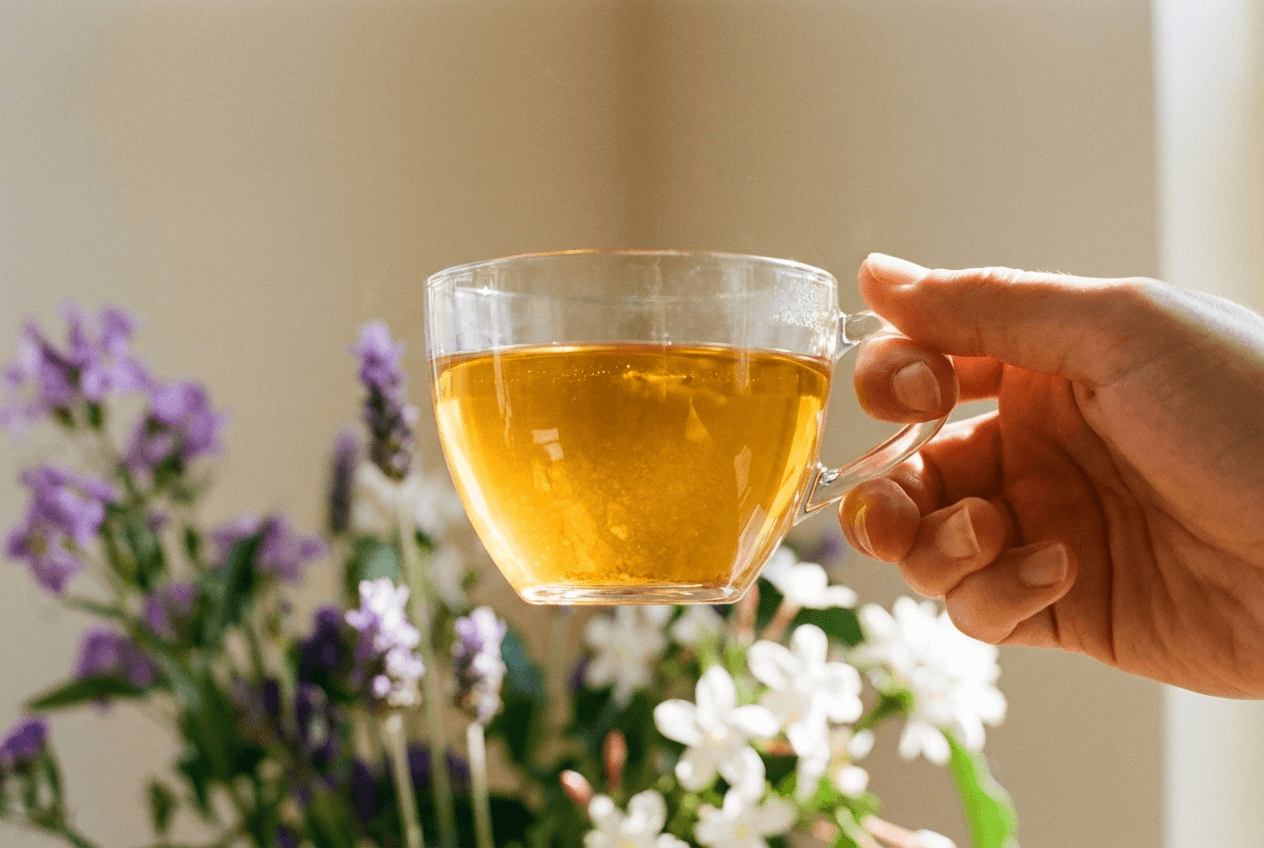
Tasting notes to look for: Blueberry, jasmine, bergamot, lemon, black tea, stone fruit.
One heads up: Light roasts have a brighter acidity than medium or dark roasts. If you're sensitive to sour or tangy flavors in your drinks, this category might not be your first choice — try flavored coffee or a smooth medium roast instead.
3. Naturally Sweet Coffees (Honey-Processed)
Here's something even many regular coffee drinkers don't know: honey-processed coffee is naturally sweet without any added sugar, syrup, or flavoring.
The name is misleading — no actual honey is involved. "Honey process" refers to how the bean is dried after harvesting. Instead of washing away the coffee cherry's sticky fruit layer (called mucilage), producers leave it on the bean during sun-drying. The natural sugars in that mucilage caramelize as they dry, infusing each bean with genuine sweetness you can taste in every cup.
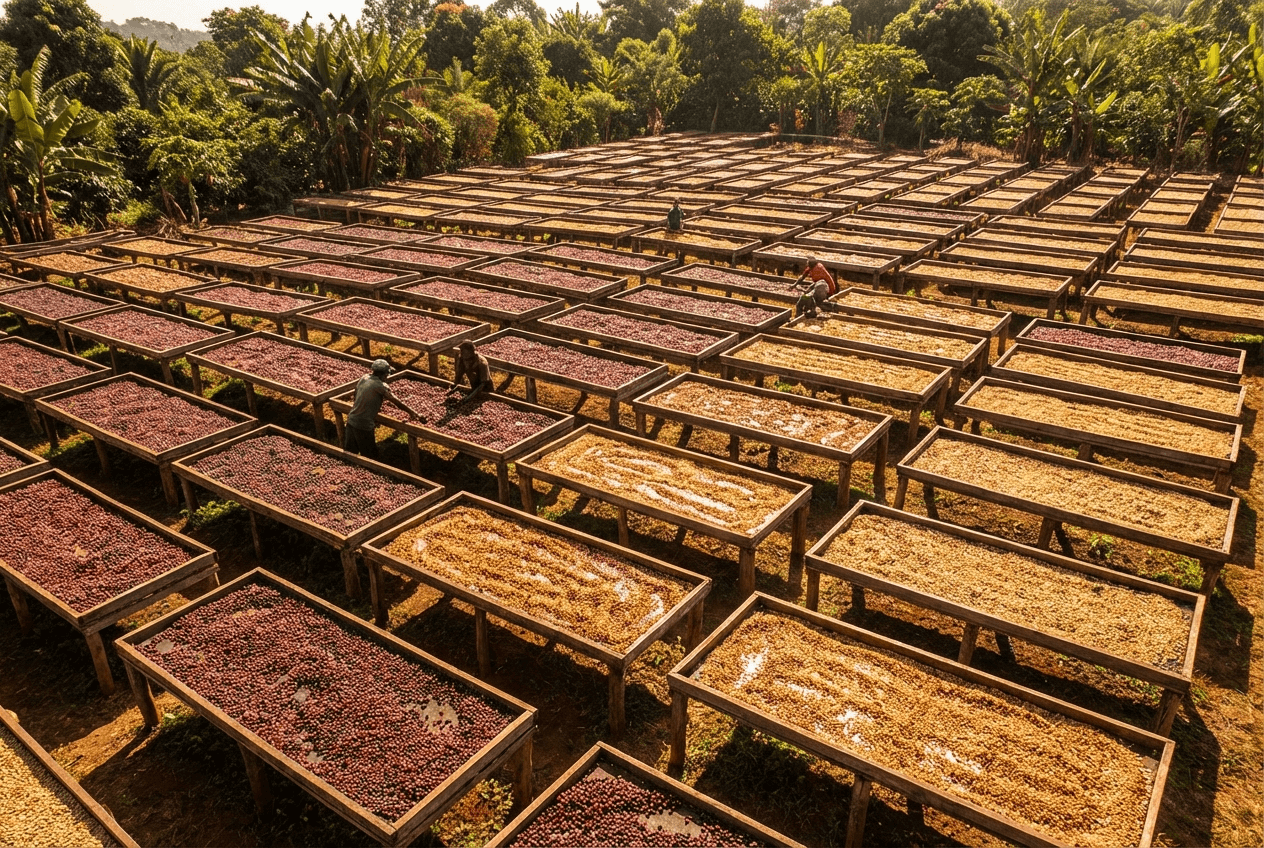
The result? Coffee with tasting notes like tropical fruit, toffee, caramel, and actual honey — all from the bean itself. Costa Rica and Guatemala produce some of the world's best honey-processed coffees.
There are even different levels of sweetness, depending on how much mucilage remains:
- White/Yellow honey: Clean and crisp with mild sweetness
- Red honey: Syrupy, sweet, with a creamy body
- Black honey: The sweetest variety — full-bodied with deep fruit and chocolate notes
Look for "honey processed" or "honey process" printed on specialty coffee bags. This is one of the best-kept secrets for people searching for coffee that doesn't taste like coffee.
4. Smooth Medium Roasts
If light roasts feel too tea-like and dark roasts feel too bitter, medium roasts are the Goldilocks zone. They've been roasted long enough to develop warm, dessert-like flavors — chocolate, caramel, toasted nuts — without crossing into harsh bitterness territory.
Why this works: Medium roasting converts those chlorogenic acids into lactones, which produce a rounded, pleasant depth that most people actually enjoy. Think of it as the difference between milk chocolate (complex, a little sweet) and burnt toast (just bitter).
What to look for:
- Colombian or Brazilian single origins (naturally chocolatey, nutty flavor profiles)
- Tasting notes that mention "chocolate," "caramel," "toffee," or "brown sugar"
- "100% Arabica" and "medium roast" on the label
A smooth medium roast Colombian coffee with milk or cream can genuinely taste like a liquid dessert — no espresso machine, syrup, or sweetener required.
5. Flavored Whole Bean Coffee
Same concept as flavored ground coffee, but with a noticeable upgrade: you grind the beans yourself right before brewing your cup. Grinding releases a burst of those flavored oils, making the aroma and taste significantly more intense.
This option is ideal for people who've tried flavored ground coffee and wished the flavor was stronger. Popular whole bean varieties go beyond basic vanilla and hazelnut into creative territory like Southern Pecan, Blueberry Cobbler, Cinnamon Bun, and Pumpkin Spice.
The trade-off: You'll need a coffee grinder (basic blade grinders cost around $15-$20). But if you want the strongest flavor-forward experience from a packaged bag, freshly ground whole bean is the way to get it.
6. Instant Coffee Mixes
For the ultimate "this doesn't taste like coffee at all" experience, instant coffee mixes are hard to beat. These are the 3-in-1 packets you'll find in the international aisle — coffee, milk powder or creamer, and sugar already blended into one stick. Just add hot water.
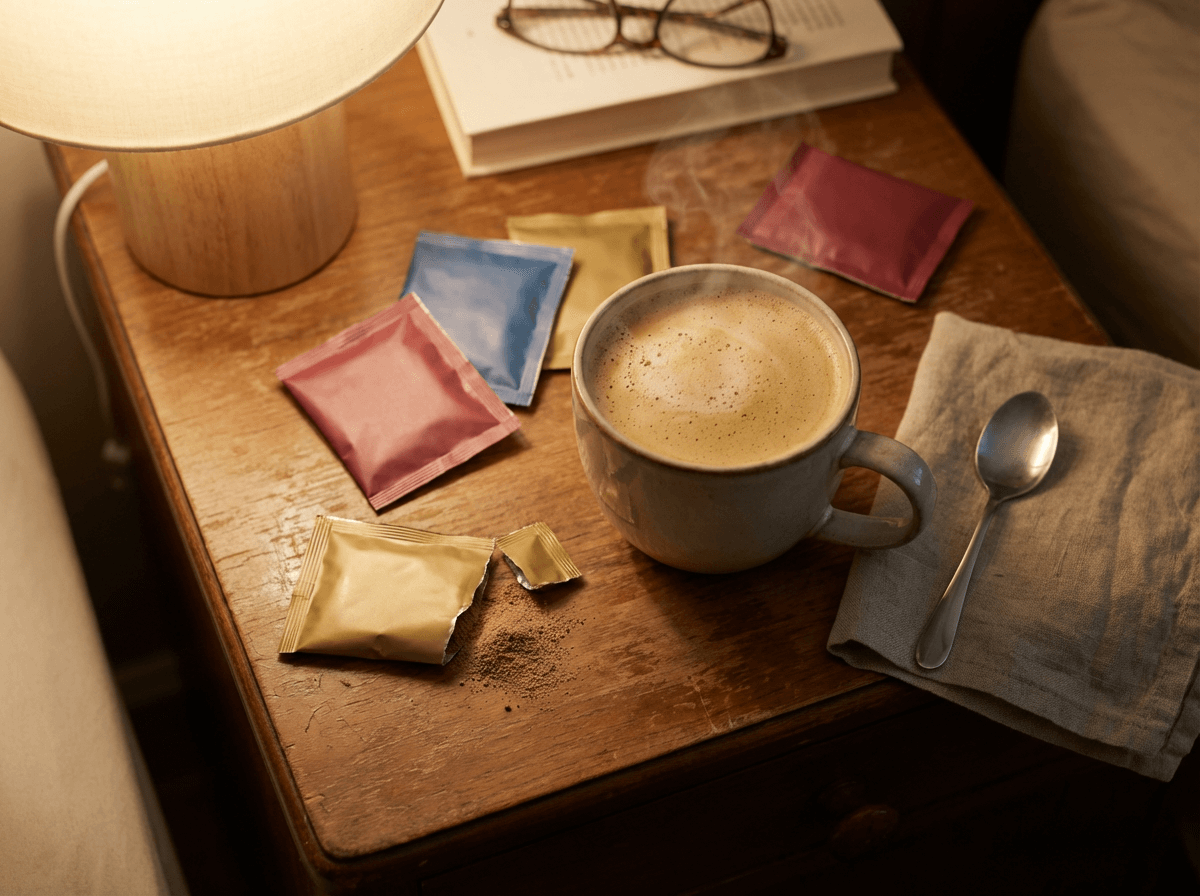
Popular styles people love:
- French vanilla cappuccino powders — taste like a sweet, creamy dessert drink
- Mocha latte mixes — closer to hot chocolate than coffee, with a caffeine kick
- Korean and Japanese 3-in-1 mixes — a massive category in Asia, designed to be sweet, creamy, and approachable for people who find straight espresso or black coffee too intense
These won't win specialty coffee awards, but that's precisely the point. If you want your caffeine delivered in a cup that tastes like a warm milkshake, instant mixes deliver — and they're perfect for travel, office desks, or anyone who wants something warm and sweet without any fuss.
7. Decaf Options
Everything on this list comes in decaf versions. That's worth emphasizing because many people who don't love the taste of coffee also don't love the jitters, anxiety, or sleep disruption that caffeine can bring.
Modern decaffeination removes about 97% of the caffeine while keeping the coffee's flavor compounds intact. The gold standard is the Swiss Water Process, which uses only water — no chemicals — to extract caffeine. It produces the cleanest-tasting decaf with the most natural flavor preserved.
Look for on the label: "Swiss Water Process" or "SWP."
Flavored decaf, honey-processed decaf, light roast decaf, cold brew decaf — all of the categories above exist without the caffeine. The FDA notes that up to 400mg of caffeine daily is generally safe for most adults, but if you're exploring coffee purely for the taste and the ritual, decaf lets you enjoy that without worrying about being wired at midnight.
8. Cold Brew Concentrates
Cold brew isn't just a trend — it's fundamentally different chemistry. Brewing coffee with cold water instead of hot extracts significantly less acid from the beans, producing a drink that's naturally smoother, sweeter, and far less bitter than any hot-brewed cup.
Why it works: Hot water aggressively extracts the harsh chlorogenic acids that create bitterness. Cold water simply can't pull them out as efficiently, so what you taste instead is a mellow, almost chocolatey concentrate that many non-coffee drinkers find genuinely enjoyable.
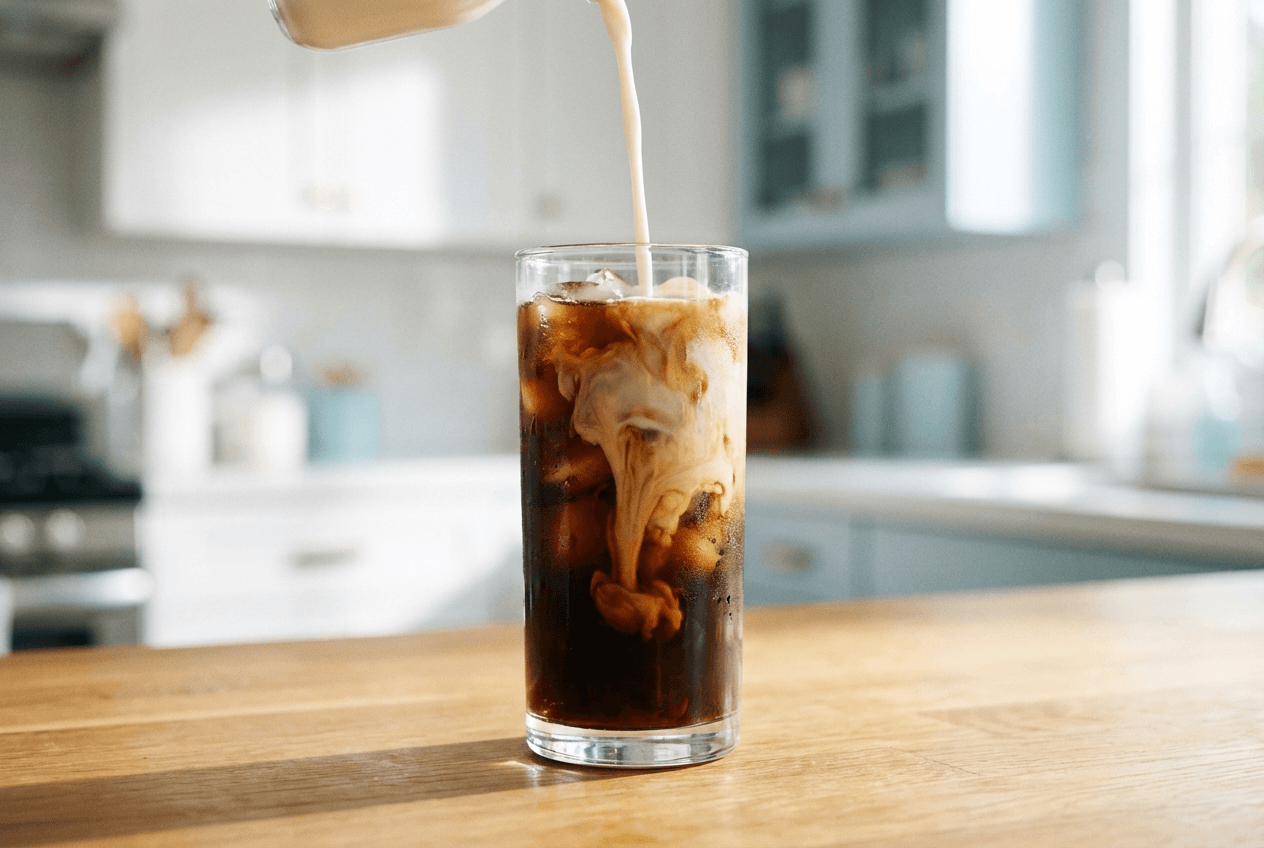
Grocery stores now stock ready-to-drink cold brew and cold brew concentrates from dozens of brands right in the refrigerated section. Concentrates are especially beginner-friendly because you control the strength — mix with water for a lighter taste, or stir into milk and cream for something richer and closer to an iced milkshake.
Bonus: Many brands now offer flavored cold brew drinks — vanilla, mocha, caramel — combining the natural smoothness of cold brewing with the approachability of added flavors. These are some of the best-tasting coffee options for people who think they don't like coffee.
How to Find Your Match at the Store
Standing in the coffee aisle can feel overwhelming when you're not sure what you actually like. Here's a simple approach:
Read the tasting notes. More coffee brands now print tasting notes on their packaging — look for terms like "chocolate," "vanilla," "caramel," "berry," or "honey." Those are your friends. Avoid anything described as "bold," "robust," "smoky," or "dark."
Start with one category. Don't buy five bags at once. Pick the option from this list that sounds most appealing and give it a week. If it's not quite right, move to the next category.
Scan before you buy. If you're staring at a wall of coffee bags and can't tell which one you'd actually enjoy, Cafy lets you scan any packaged coffee with your phone camera to instantly see its tasting notes, flavor profile, and roast level — before you spend a dime. Look for tasting notes like chocolate, vanilla, and caramel — those are the ones that taste the least like traditional "coffee."
For specific product picks that pair with this guide, check out our list of the best coffee for non-coffee drinkers — 10 smooth options you can grab at any grocery store.
Frequently Asked Questions
What coffee does not have a bitter taste?
Flavored ground coffees — especially vanilla and hazelnut varieties — have the least noticeable bitterness because the flavor oils actively mask it. Among unflavored options, light roast Ethiopian coffees and honey-processed beans are naturally the least bitter. Cold brew concentrates also rank low on the bitterness scale because cold water extracts fewer harsh acids from the beans.
Is there a coffee that tastes sweet without adding sugar?
Yes. Honey-processed coffee is naturally sweet because the coffee cherry's fruit sugars caramelize onto the bean during drying. Black honey processed coffees are the sweetest variety available. Cold brew concentrates also taste sweeter than hot-brewed coffee due to lower acid extraction — many people drink them black and still find the cup pleasant.
What coffee should I try if I don't like coffee?
Start with flavored ground coffee (vanilla or hazelnut) or an instant coffee mix — these taste the least like traditional coffee. If you want something less processed but still approachable, try a smooth Colombian medium roast with milk or cream. You can also scan any coffee package with Cafy to check the tasting notes before buying.
Does light or dark roast taste less like coffee?
Light roast tastes less like traditional coffee. Light roasts have brighter, fruitier, more tea-like flavors because lighter roasting preserves the bean's natural fruit acids instead of converting them to bitter compounds. Dark roasts taste more intensely "coffee-like" with heavier bitterness and a smoky, charred character. Medium roasts fall in between — and for most beginners, they're the safest bet.
What are the best coffee flavors for beginners?
Vanilla, hazelnut, and caramel are the three most popular beginner-friendly coffee flavors. They're familiar, widely available in grocery stores, and do the best job of making a cup of coffee taste like a treat instead of a chore. Chocolate and mocha flavors are also excellent starting points for people who enjoy hot cocoa or sweet drinks. Any of these paired with milk or cream makes an approachable first cup.
Ready to discover your perfect coffee?
Download Cafy and scan any coffee to see tasting notes, roast levels, and more.
Download Free