Best Decaf Coffee Beans: 8 Smooth Picks for 2026
Discover the 8 best decaf coffee beans for 2026, from Swiss Water to sugarcane process. Includes tasting notes, prices, and how to pick the right decaf.
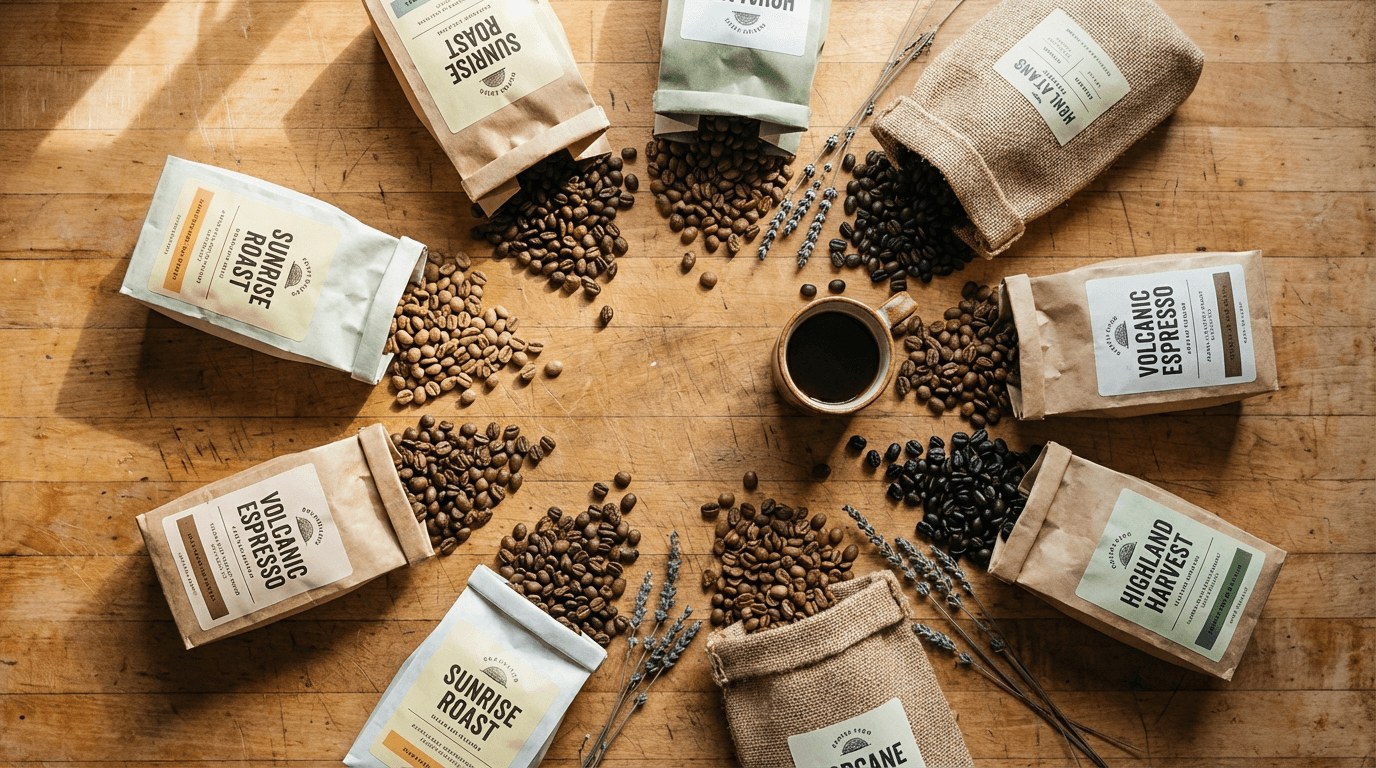
Decaf coffee used to be an afterthought — stale, flat, and vaguely coffee-flavored. That era is over. In 2026, the best decaf coffee beans rival their caffeinated counterparts in complexity, sweetness, and depth of flavor. Specialty roasters now select high-quality whole bean coffee specifically for decaf, and chemical-free processes like Swiss Water preserve the rich taste and aroma that would have been stripped away a decade ago.
Whether you're cutting back on caffeine for health reasons, want an evening cup without the insomnia, or simply prefer the smooth taste of a well-crafted brew, these eight picks deliver genuine quality — not a compromise.
Quick Summary: The best decaf coffee beans in 2026 come from roasters who treat decaf as seriously as their regular offerings. Our top overall pick is Stumptown Trapper Creek Decaf for its versatility and rich flavor. For the health-conscious, Lifeboost Decaf leads in organic purity. Budget shoppers should grab San Francisco Bay Decaf Gourmet Blend — Swiss Water Process at under $10 per bag.
How We Chose These Decaf Coffee Beans
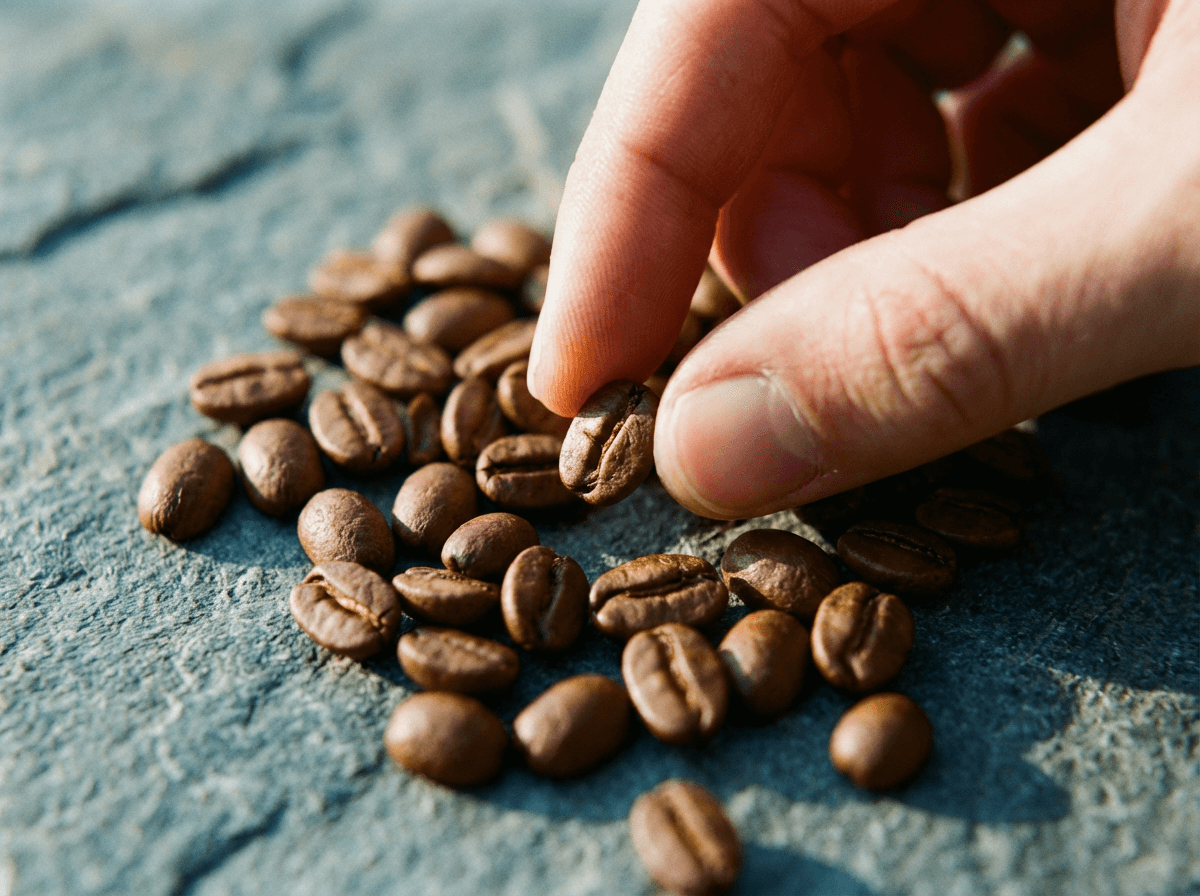
Three things separate great decaf from mediocre decaf: the quality of the green coffee beans before decaffeination, the decaf process used, and how the beans are roasted afterward.
We prioritized whole bean options that use chemical-free decaf processes (Swiss Water, CO2, or sugarcane/EA), since these methods consistently preserve more of the bean's original flavor and aroma. We also looked for coffee brands that publish tasting notes, roast dates, and sourcing details — transparency that signals genuine quality, not just clever marketing.
Our picks span a range of roast levels, single-origin and blend options, and price points so there's a great decaf coffee for every taste and budget. If you want to compare any of these side by side at the grocery store, you can scan any coffee package with the Cafy app to instantly check the tasting notes, roast level, and flavor profile before you buy.
The 8 Best Decaf Coffee Beans for 2026
Here's a quick comparison of all eight picks before we dive into the details:
| Coffee | Roast | Process | Price | Best For |
|---|---|---|---|---|
| Stumptown Trapper Creek | Medium | Swiss Water | ~$16/12 oz | Best Overall |
| Counter Culture Slow Motion | Medium | Swiss Water | ~$15/12 oz | Best Swiss Water |
| illy Classico Decaf | Medium | CO2 | ~$12/8.8 oz | Best for Espresso |
| Volcanica Hazelnut Decaf | Medium | Swiss Water | ~$17/16 oz | Best Flavored |
| Lifeboost Decaf | Medium | Swiss Water | ~$32/12 oz | Best Organic |
| Kicking Horse Decaf | Dark | Swiss Water | ~$13/10 oz | Best Dark Roast |
| Onyx Lab Decaf Colombia | Light | Sugarcane/EA | ~$20/10 oz | Best Light Roast |
| SF Bay Decaf Gourmet | Medium | Swiss Water | ~$10/12 oz | Best Budget |
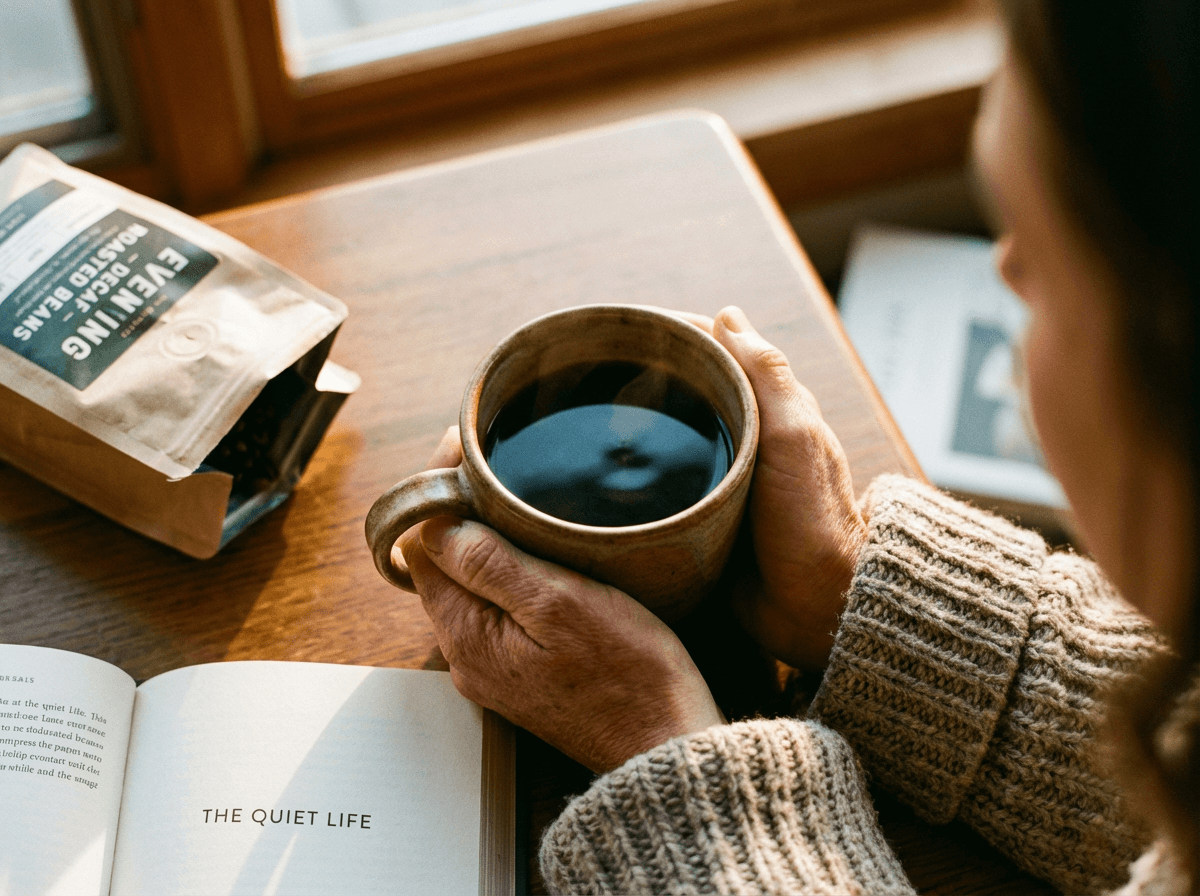
Best Overall: Stumptown Trapper Creek Decaf
| Origin | Latin America blend |
| Roast | Medium |
| Decaf Process | Swiss Water |
| Tasting Notes | Cocoa, graham cracker, dried fruit |
| Price | ~$16 for 12 oz bag |
Stumptown's Trapper Creek is the decaf coffee that makes skeptics reconsider their stance on decaffeinated coffee. It's a medium roast blend with warm, comforting flavors — think hot cocoa with a hint of dried cherry and a smooth, full body. The Swiss Water Process keeps things clean without stripping the beans of their character or their natural sweetness.
What makes Trapper Creek the best overall pick is sheer versatility. It pulls excellent espresso with decent crema, brews a balanced pour-over, and holds up in a French press without turning bitter. You can find it at Whole Foods, Target, and most specialty grocery stores, so availability isn't an issue.
Ideal for: Anyone who wants a reliable, everyday decaf that works with any brew method — from drip to espresso.
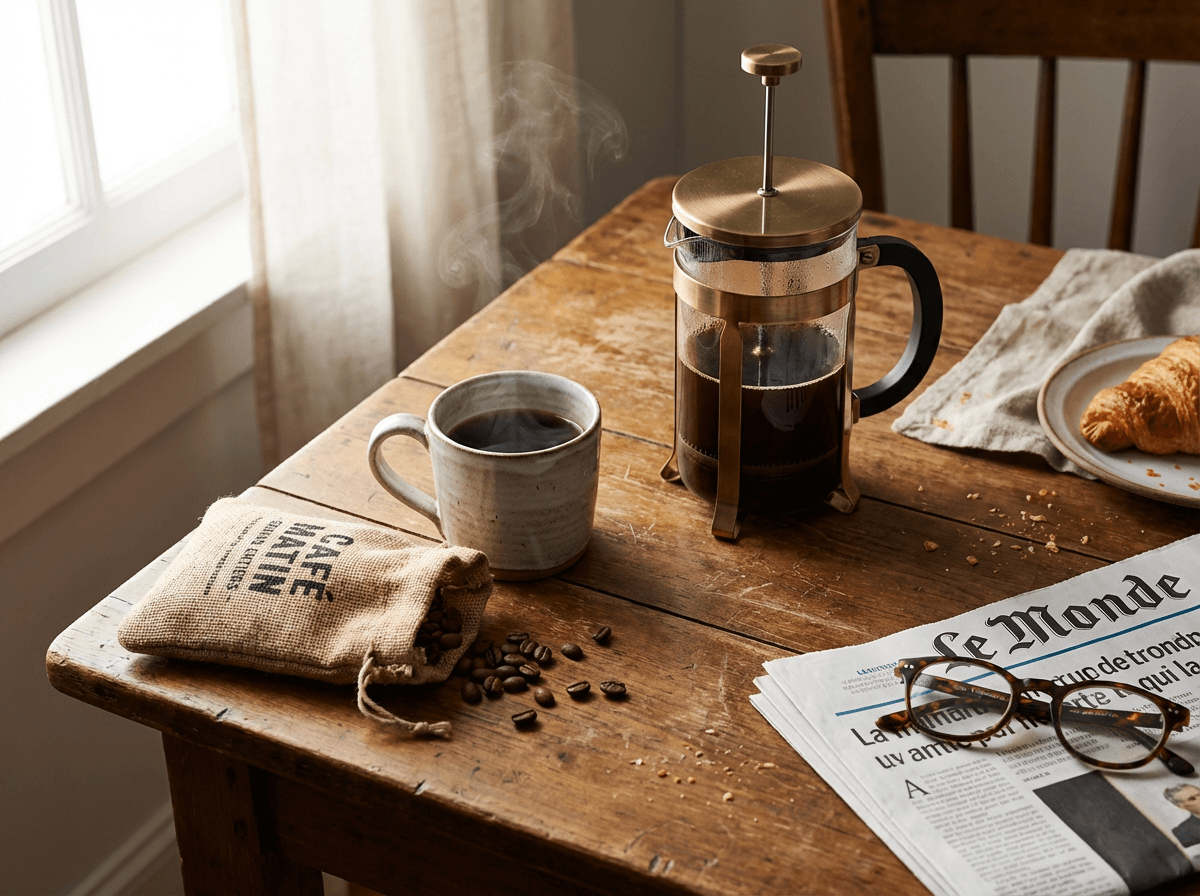
Best Swiss Water Process: Counter Culture Slow Motion
| Origin | Latin America (rotating single-origin) |
| Roast | Medium |
| Decaf Process | Swiss Water |
| Tasting Notes | Molasses, cocoa, smooth |
| Price | ~$14–16 for 12 oz bag |
Counter Culture doesn't treat their decaf as a lesser category. For Slow Motion, they select the same high-quality coffee beans used in their caffeinated offerings and decaffeinate them in small batches using the Swiss Water Process. The result is a medium roast with deep molasses sweetness and cocoa undertones — rich enough to sip black, smooth enough to enjoy with cream or milk.
What sets Slow Motion apart from other decaf coffee brands is freshness. Counter Culture decaffeinates small amounts at a time rather than processing huge batches, so the whole bean coffee you buy is genuinely fresh. It's also USDA Organic certified — a rarity for Swiss Water decaf at this price.
Ideal for: Purists who want zero chemicals in their decaf process and value certified organic sourcing.
Best for Espresso: illy Classico Decaf
| Origin | 100% Arabica blend (multiple origins) |
| Roast | Medium (Classico) |
| Decaf Process | CO2 (supercritical carbon dioxide) |
| Tasting Notes | Caramel, chocolate, floral hints |
| Price | ~$11–13 for 8.8 oz can |
If you own an espresso machine, illy's Classico Decaf belongs on your radar. Italian espresso culture demands consistency in every cup, and illy delivers beautifully. Every can of this blend produces the same balanced shot — sweet caramel up front, chocolate in the body, and a clean, smooth finish.
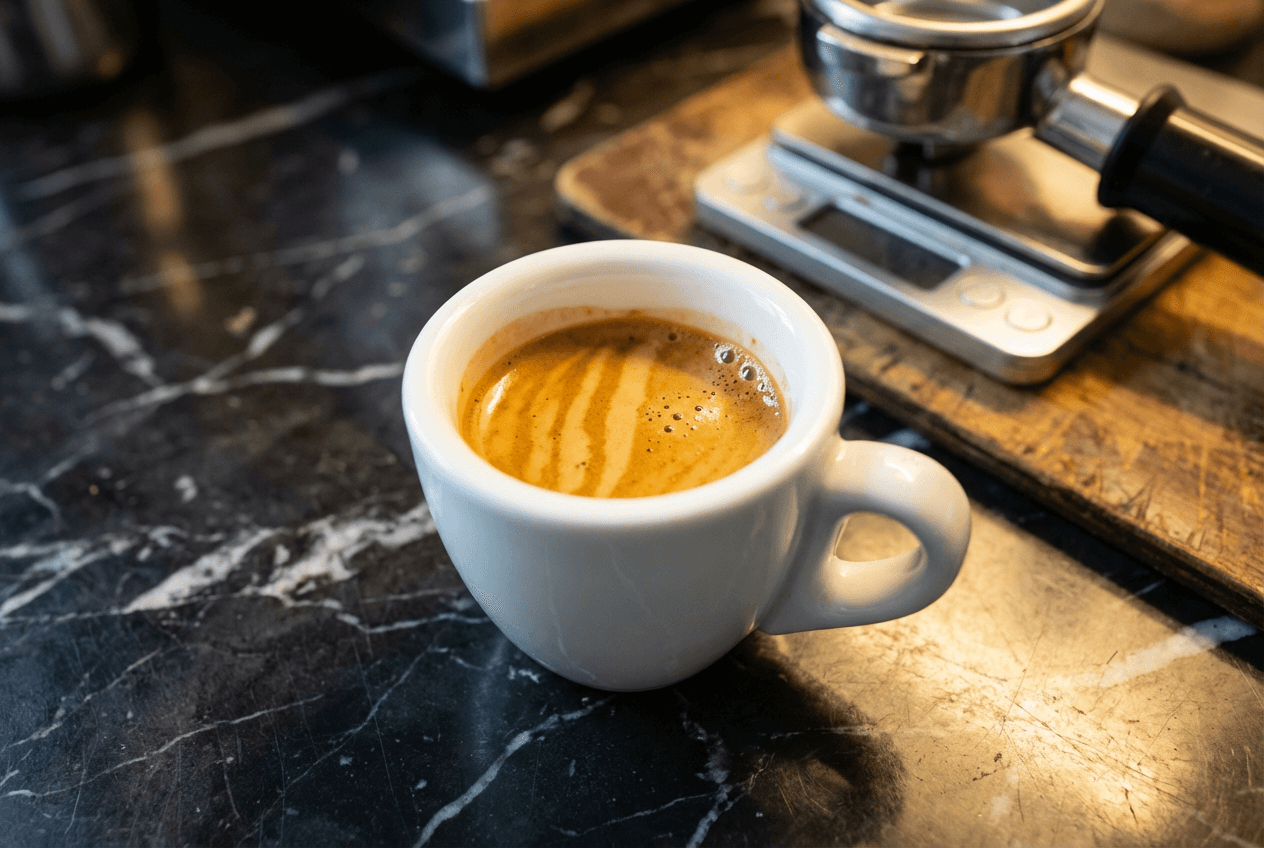
The CO2 decaffeination process is a big reason this coffee excels for espresso. Unlike methods that soak beans in liquid solvents, pressurized carbon dioxide selectively extracts caffeine while leaving most flavor compounds intact. The result is a decaf espresso with thick, golden crema and enough body for milk-based drinks like cappuccinos and lattes.
Ideal for: Home baristas who want consistent espresso shots and reliable crema from decaf beans.
Best Flavored Decaf: Volcanica Hazelnut Flavored Decaf
| Origin | South & Central America blend |
| Roast | Medium |
| Decaf Process | Swiss Water |
| Tasting Notes | Sweet hazelnut, nutty, creamy |
| Price | ~$17 for 16 oz bag |
Flavored decaf coffee often means mediocre beans drowned in artificial flavoring to mask a bland taste. Volcanica takes the opposite approach: they start with quality coffee beans decaffeinated through the Swiss Water Process, then add natural flavoring after roasting. The hazelnut version delivers a genuinely nutty, creamy cup without any of the cloying sweetness that plagues cheaper flavored brands.
Volcanica's coffee beans are roasted fresh to order and shipped the same day — a huge advantage over pre-ground bags sitting on grocery store shelves for months. Zero sugar, zero calories, and Kosher certified. They also offer other flavored decaf options including caramel chocolate and French vanilla.
Ideal for: People who enjoy a sweet, flavored cup of coffee in the evening without added sugar or caffeine.
Best Organic: Lifeboost Decaf Coffee
| Origin | Single-origin Nicaragua |
| Roast | Medium |
| Decaf Process | Swiss Water |
| Tasting Notes | Chocolate, caramel, subtle fruitiness |
| Price | ~$30–35 for 12 oz bag |
Lifeboost is the premium pick on this list, and the price reflects it. But if organic purity is your top priority, no other decaf brand comes close. These single-origin Nicaraguan coffee beans are shade-grown at high elevation, USDA Organic certified, Non-GMO, and third-party tested for mycotoxins and pesticides — a level of quality scrutiny most brands skip entirely.
The Swiss Water Process removes 99.9% of caffeine without chemicals, and the medium roast brings out rich chocolate and caramel tasting notes with a gentle fruitiness and low acidity. Yes, $30+ per bag is steep. But per cup, that's about $1.25 — less than any café charges for basic drip coffee. Buy the whole bean version and grind fresh for the best flavor.
Ideal for: Health-conscious drinkers who prioritize organic certification, low acid, and third-party purity testing.
Best Dark Roast: Kicking Horse Decaf
| Origin | Blend |
| Roast | Dark |
| Decaf Process | Swiss Water |
| Tasting Notes | Roasted chocolate, hazelnut, brown sugar |
| Price | ~$12–14 for 10 oz bag |
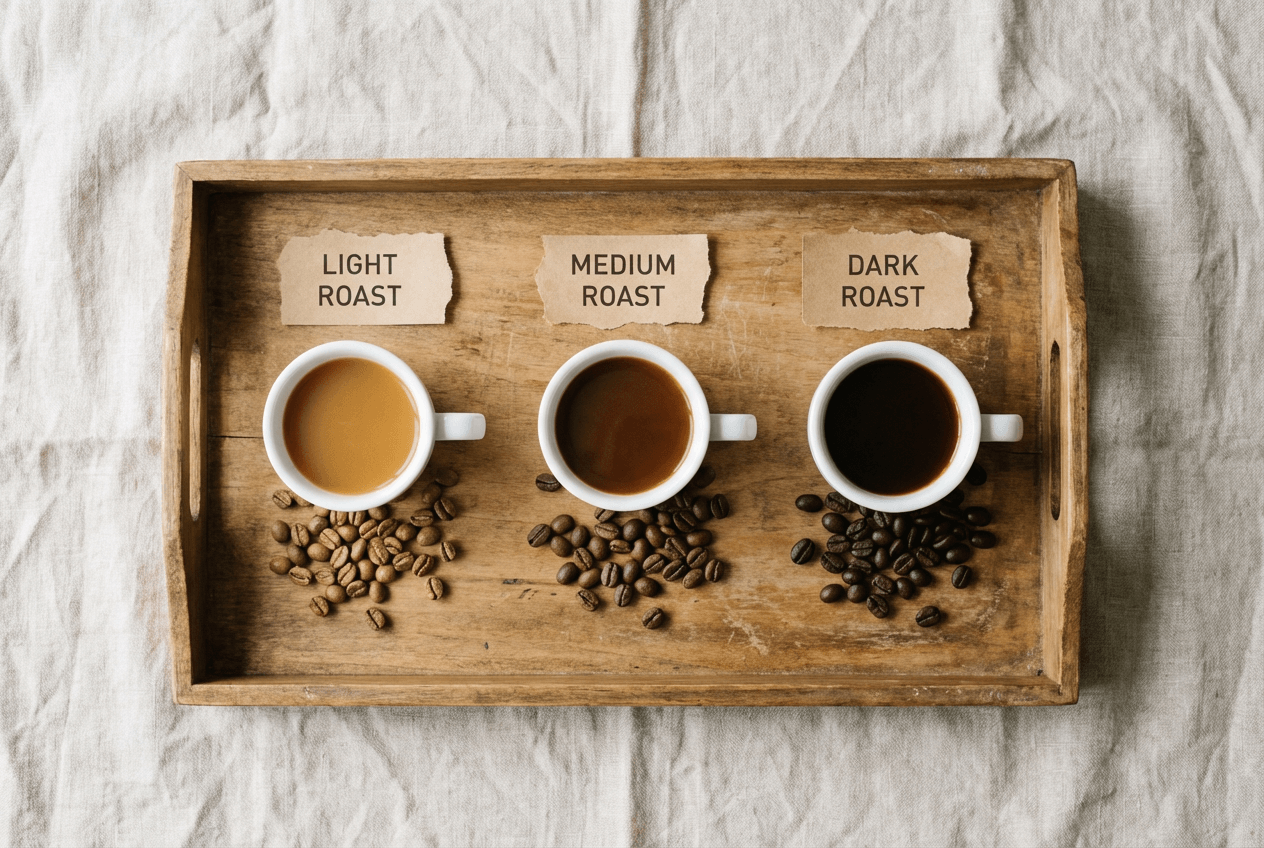
Dark roast decaf is tricky to get right. Over-roast the beans and you get charcoal with no nuance. Under-roast them and the dark flavors never fully develop. Kicking Horse finds the sweet spot — genuinely bold with deep chocolate and roasted hazelnut notes, finishing with a brown sugar sweetness rather than bitterness or harsh acidity.
This brand is also one of the most accessible premium decaf coffee options you'll find in grocery stores. Both USDA Organic and Fair Trade certified, roasted in the Canadian Rockies, and priced affordably for the quality. If you like your cup of coffee dark, strong, and capable of standing up to cream & sugar, this is your bean.
Ideal for: Dark roast fans who want bold decaf without the burnt, ashy aftertaste of cheaper options.
Best Light Roast: Onyx Coffee Lab Decaf Colombia
| Origin | Colombia (single-origin) |
| Roast | Light |
| Decaf Process | EA/Sugarcane |
| Tasting Notes | Berries, tangerine, honey |
| Price | ~$18–22 for 10 oz bag |
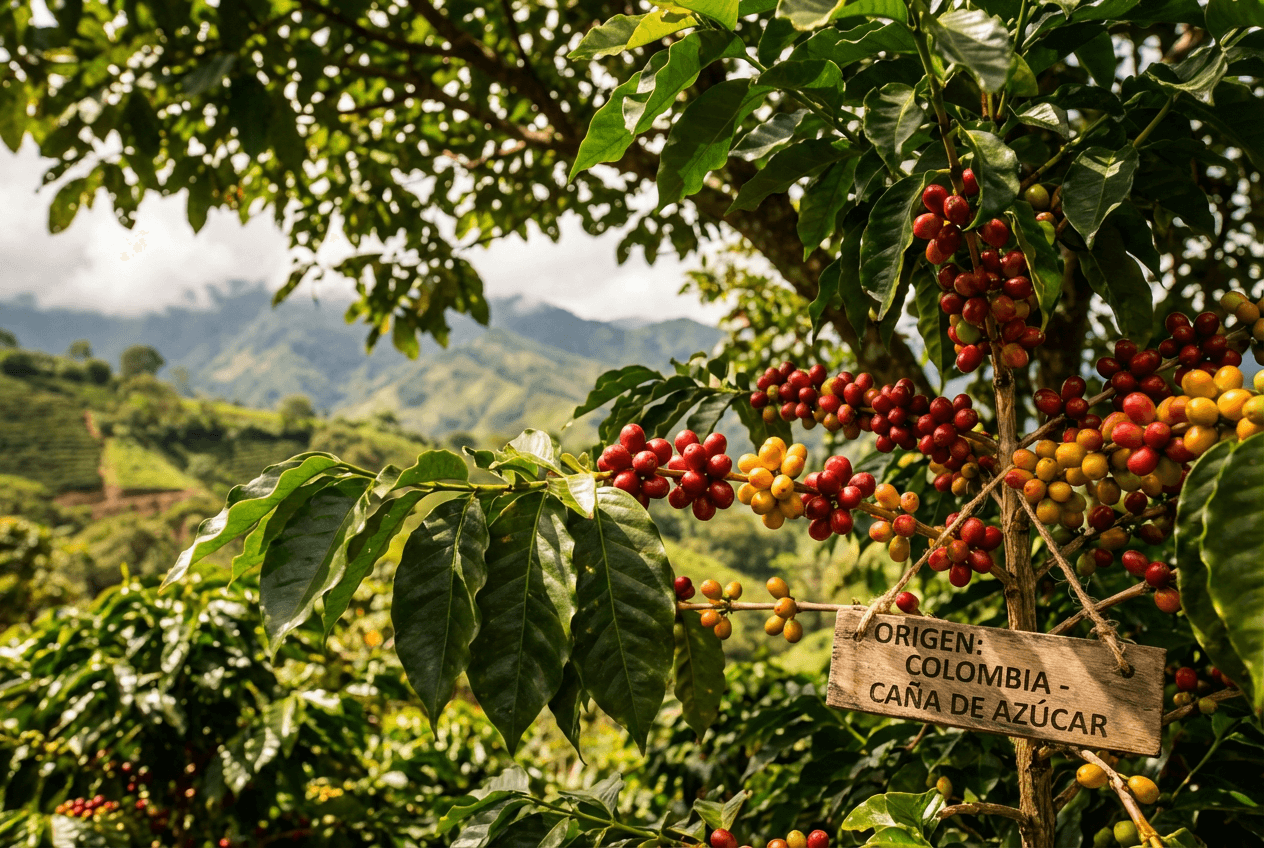
Here's where decaf coffee gets genuinely exciting. Onyx Coffee Lab is a specialty roaster that applies the same meticulous approach to their decaf as their award-winning caffeinated coffees. Their Decaf Colombia (the specific single-origin may rotate by season) uses the sugarcane/EA process, which is common in Colombian coffee production and tends to preserve the bean's natural sweetness and bright acidity.
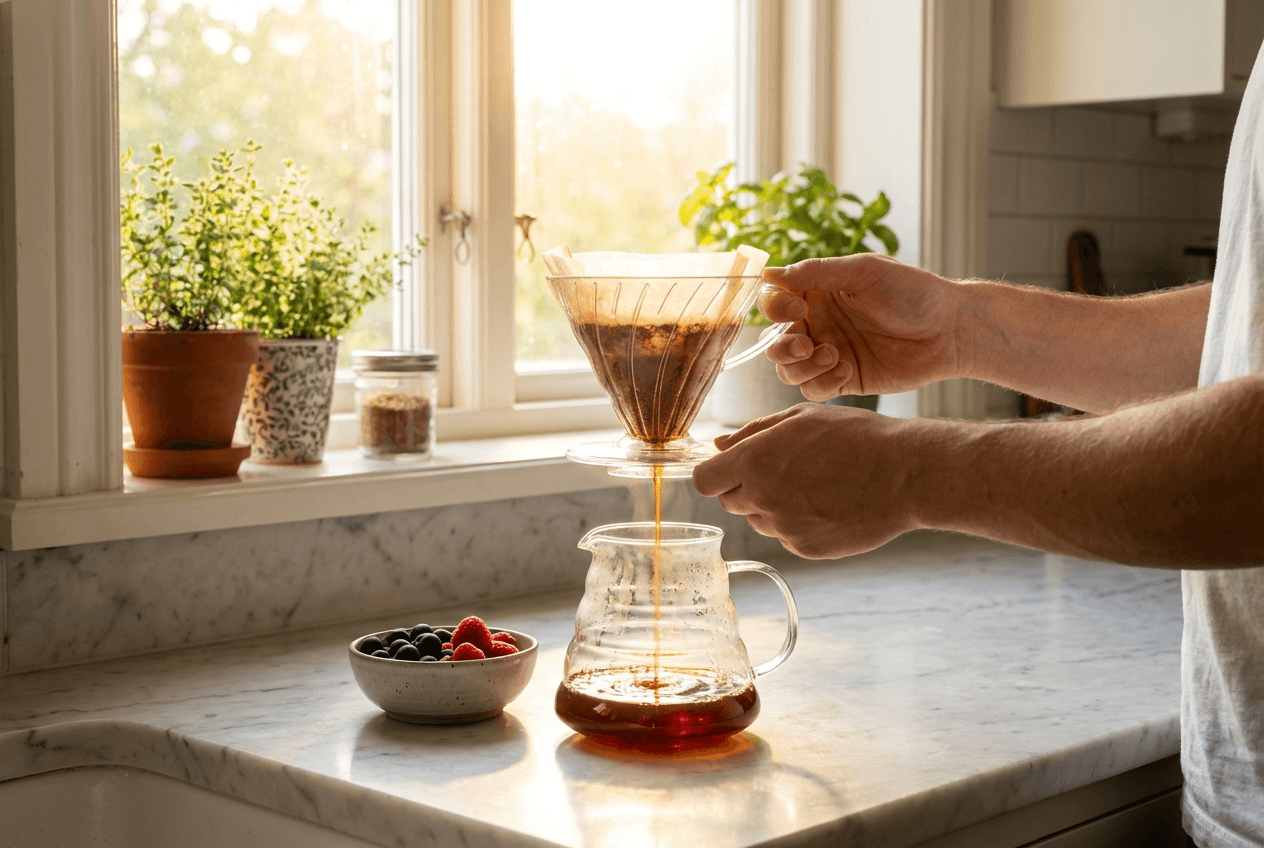
The result is a light roast decaf with flavors you'd more typically find in a top-shelf caffeinated single-origin: bright berries, tangerine citrus, and honey sweetness. In blind cuppings, sugarcane-processed decaf coffees like this regularly pass for regular coffee. If you've only ever tasted dark, flat decaf, this whole bean will genuinely surprise you.
Ideal for: Specialty coffee enthusiasts who love bright, fruity, complex flavor profiles without the caffeine.
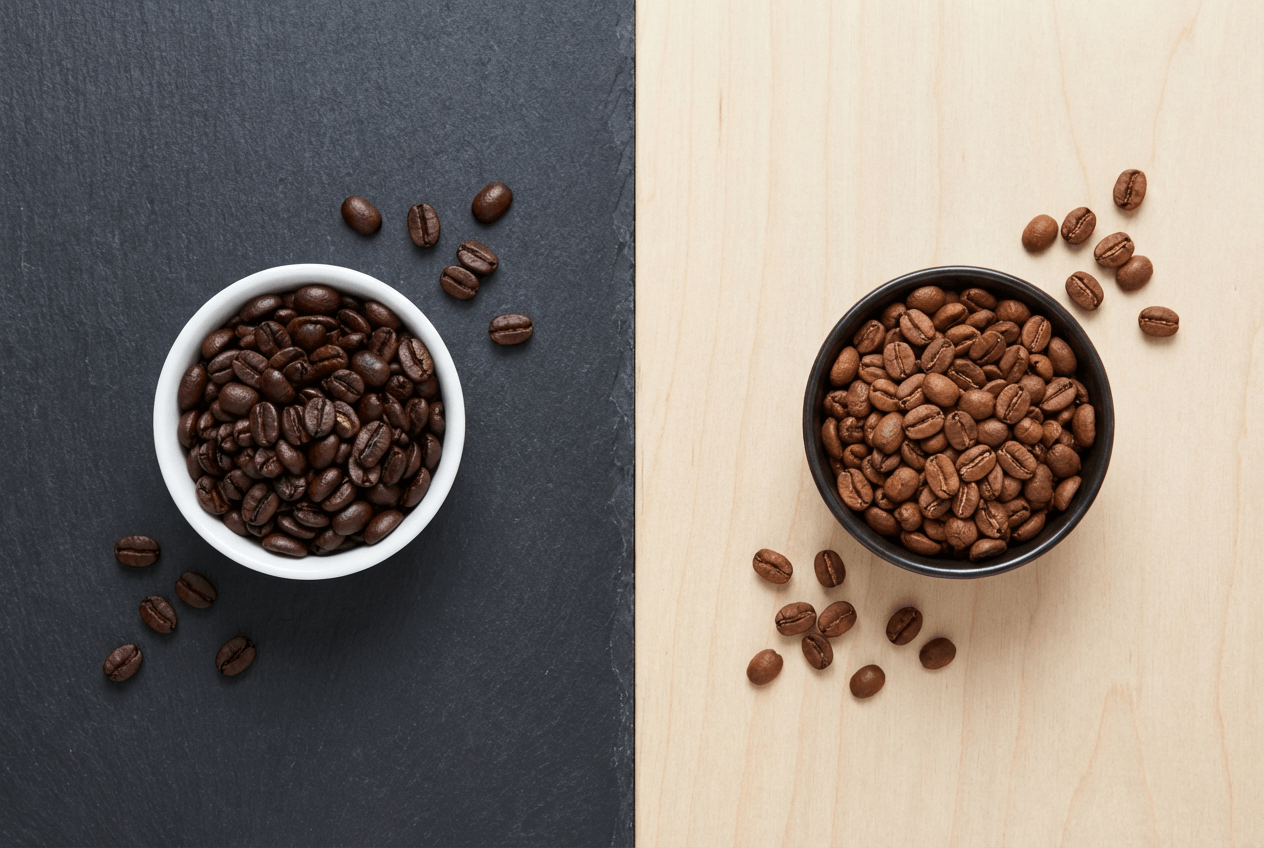
Best Budget: San Francisco Bay Decaf Gourmet Blend
| Origin | Blend |
| Roast | Medium |
| Decaf Process | Swiss Water |
| Tasting Notes | Smooth, balanced, mild sweetness |
| Price | ~$9–10 for 12 oz bag |
Swiss Water Process decaf coffee for under $10 a bag? That's genuinely rare. San Francisco Bay's Decaf Gourmet Blend proves you don't need to spend $16+ for chemical-free decaf coffee beans that actually taste good. It's a smooth, balanced medium roast — not complex, not exciting, but consistently pleasant and easy to drink.
This is the bag to grab when you brew decaf daily and don't want to overthink your purchase. It works well in drip machines, pour-overs, and cold brew. For even better value, buy the 2-pound bag. You won't get the nuanced tasting notes of a specialty roaster, but you also won't get that hollow, "something's missing" flavor of the cheapest decaf either.
Ideal for: Everyday coffee drinkers who want a reliable, affordable decaf blend without chemical processing.
Decaffeination Methods: What Actually Happens to Your Coffee Beans
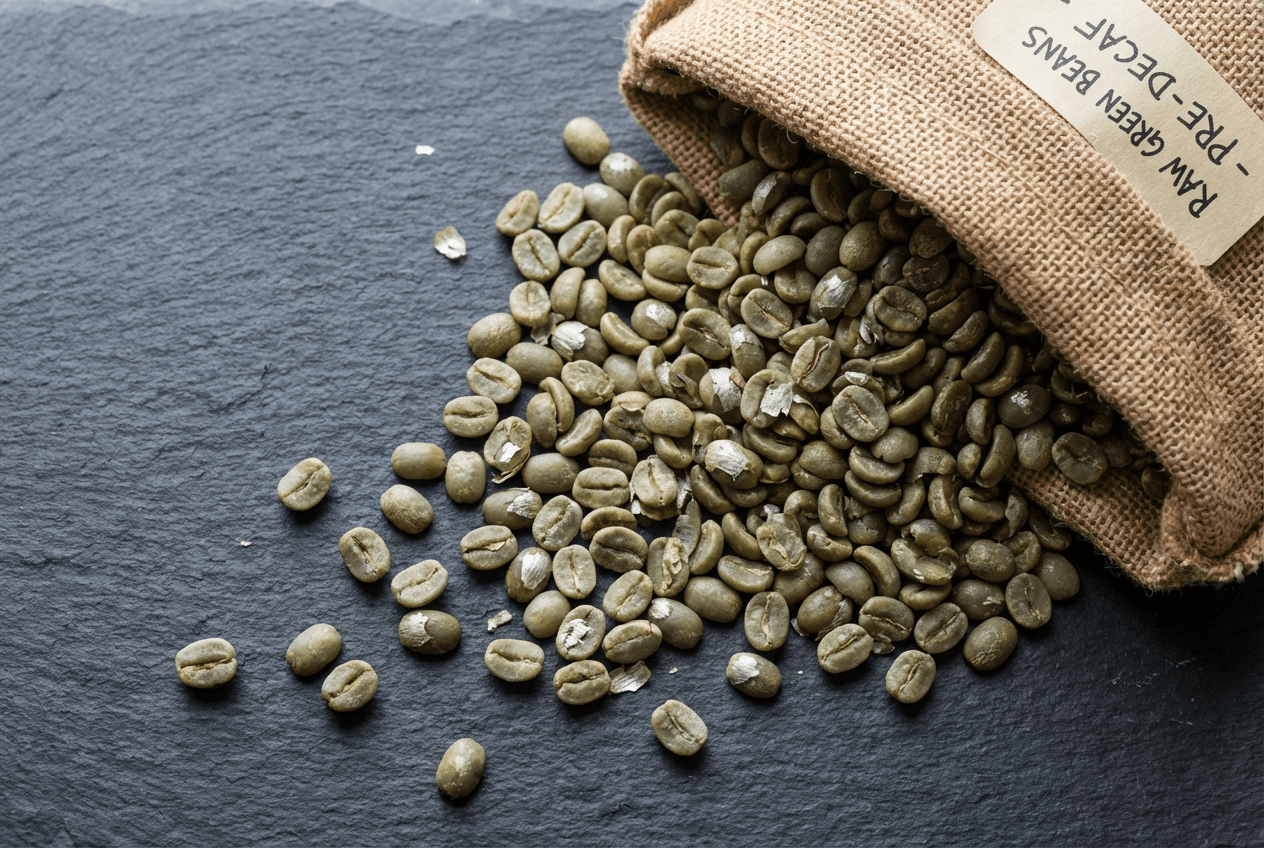
Every cup of decaf starts as regular green (unroasted) coffee beans. The caffeine is always removed before roasting — not after. The method used makes a massive difference in the flavor, aroma, and body of the finished coffee. Here's a breakdown of the four main decaffeination methods and how each one affects the taste in your cup.
Swiss Water Process
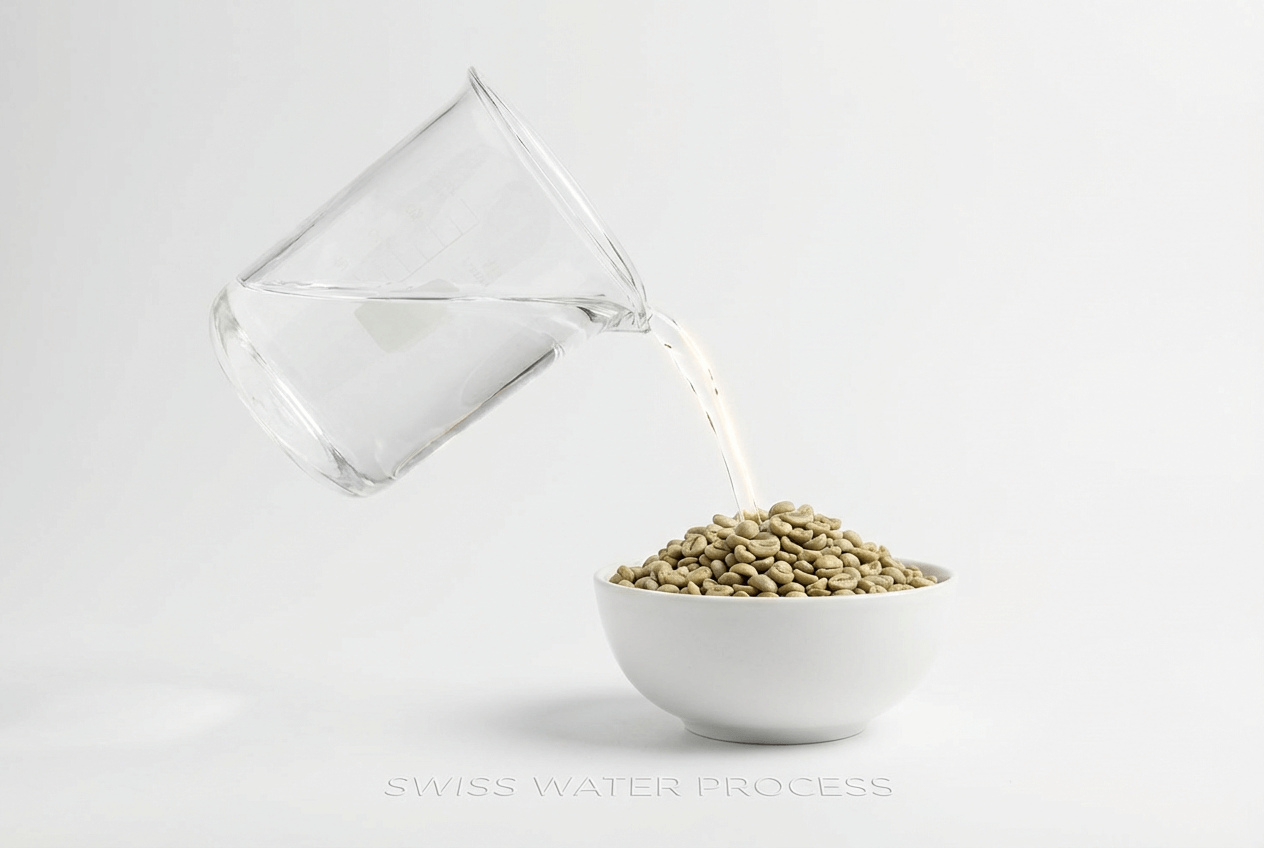
The Swiss Water Process uses only water and carbon filters — no chemical solvents at all. Green coffee beans are soaked in hot water, which dissolves the caffeine along with other soluble flavor compounds. That water then passes through activated carbon filters that trap caffeine molecules while letting flavor compounds pass back through. This cycle repeats until 99.9% of the caffeine is gone.
Flavor impact: Produces a clean, smooth cup of decaf coffee. Earlier versions of this process could mute some origin-specific flavors, but modern Swiss Water facilities have dramatically refined their technique. Today's Swiss Water decaf coffees taste significantly better than those from even five years ago.
CO2 (Carbon Dioxide) Process
Pressurized carbon dioxide acts as a selective solvent, bonding with caffeine while leaving most flavor compounds untouched inside the beans. The CO2 is depressurized in a separate chamber to release the caffeine, then recycled and reused.
Flavor impact: Excellent at preserving the original taste and aroma of the coffee. Because CO2 is highly selective for caffeine, it strips fewer volatile aromatics that give coffee its complexity. It's the most expensive decaf method, which is why it's primarily used by larger brands like illy.
EA/Sugarcane (Ethyl Acetate) Process
In coffee-growing regions like Colombia, ethyl acetate (EA) is derived from fermented sugarcane and used to dissolve caffeine from green beans. Because the EA comes from a natural source and processing happens at origin, it's often marketed as "naturally decaffeinated."
Flavor impact: Many coffee roasters consider sugarcane the best decaf method for preserving a bean's original sweetness and body. These decaf coffees sometimes pass for caffeinated coffee in blind tastings. The trade-off: caffeine removal sits around 97% rather than 99.9%, and batch quality can vary.
Methylene Chloride (MC / European Method)
The most widely used decaffeination method commercially. Coffee beans are soaked in methylene chloride, which bonds with caffeine and is then washed away. Any residual MC evaporates during roasting — the FDA considers the trace amounts remaining in brewed decaf to be "essentially non-existent" as a health risk.
Flavor impact: Results vary. MC is less selective than CO2 or water-based methods, so it can strip some flavor compounds alongside the caffeine. It's the cheapest decaf method, which is why it's the default for mass-market coffee brands. If a bag of coffee doesn't specify the decaf process, it's almost certainly MC-processed.
Why Decaf Coffee Is Better Than Ever
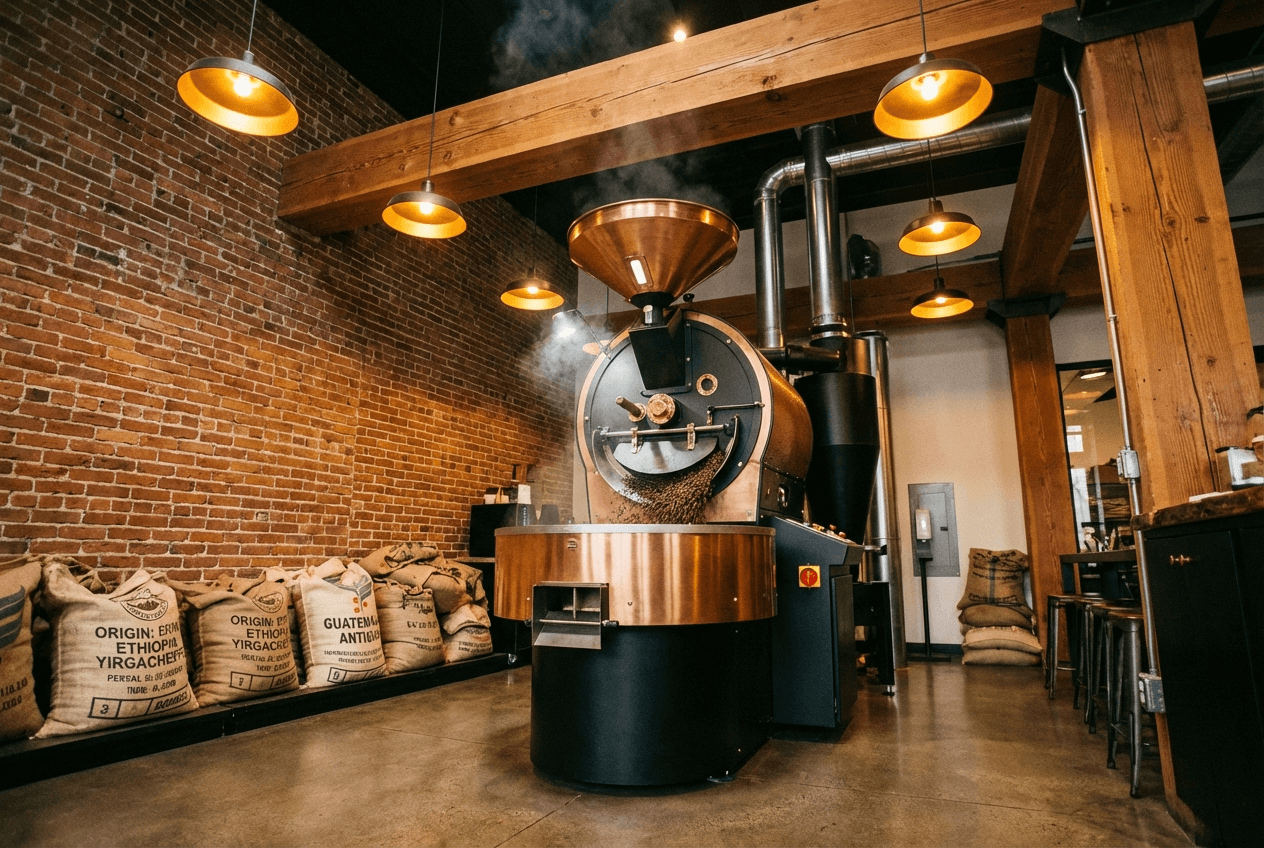
A decade ago, "good decaf" was almost an oxymoron. The beans were usually low-grade leftovers, decaffeinated with whatever method was cheapest, then over-roasted to mask the flavor damage. Third-wave specialty roasters have completely changed this.
Here's what's different now:
- Better coffee beans go in. Brands like Counter Culture and Stumptown select the same premium green beans for decaf that they use in caffeinated offerings. Great decaf starts with great beans.
- Processes have improved. Swiss Water's facility has refined their extraction to preserve significantly more origin character. Sugarcane processing in Colombia has also matured, producing some of the best-tasting decaf available.
- Roasting has adapted. Decaf beans behave differently during roasting — more porous, more brittle, and they brown faster. Top roasters now profile their decaf roasts separately for optimal flavor development.
- Demand keeps growing. According to the National Coffee Association, more Americans are choosing decaf coffee than ever before. This market growth gives roasters real incentive to invest in quality.
If you haven't tried a good decaf in a few years, you're overdue. The gap between today's best decaf coffee beans and regular coffee has never been smaller.
How to Choose the Right Decaf Coffee for You
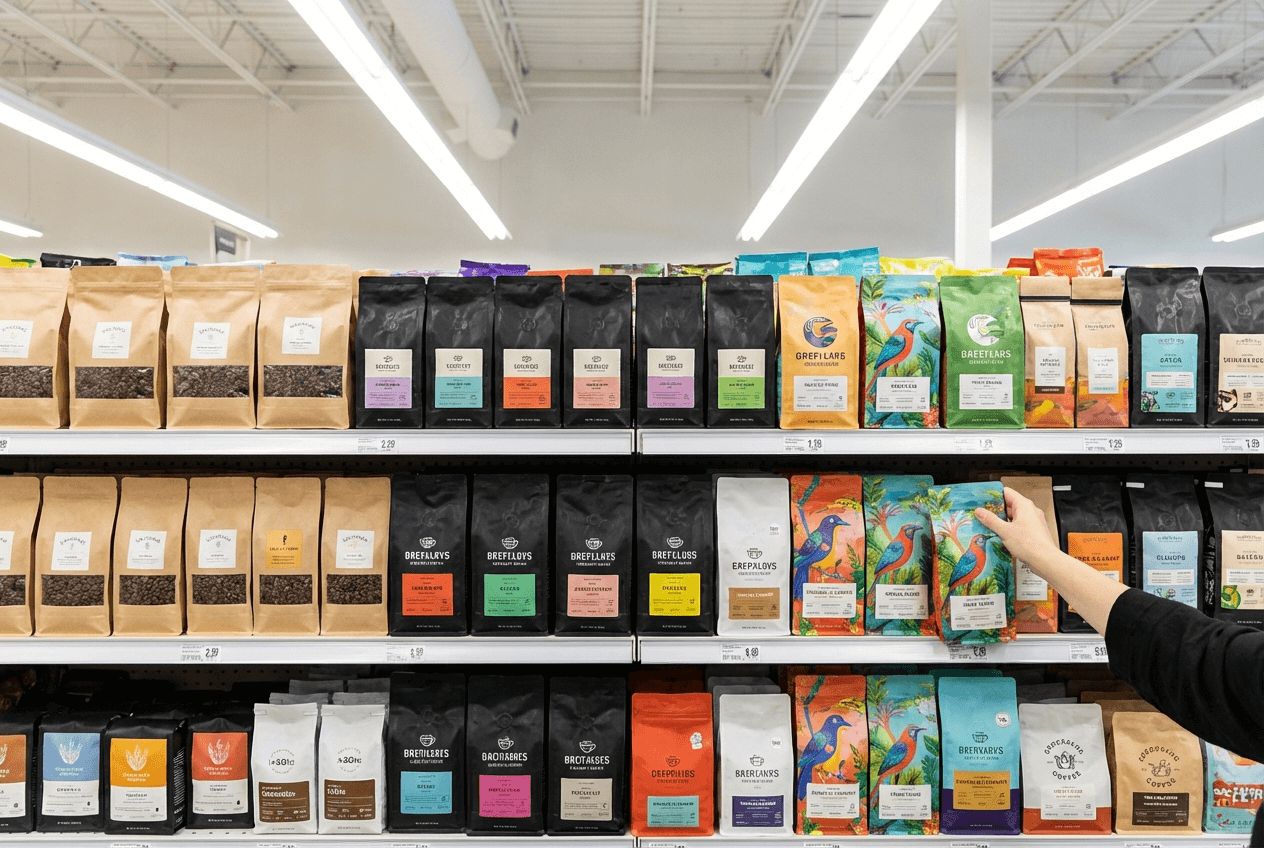
With eight solid picks on the table, here's how to find the best decaf coffee beans for your specific needs:
Start with your roast preference. If you like bold, dark coffee, go with Kicking Horse. Prefer bright, fruity flavor? Try Onyx. Not sure? A medium roast blend like Trapper Creek is the safest starting point for most people.
Decide how much the decaf method matters. If you want zero chemicals, stick with Swiss Water or CO2 processed coffee beans. If you prioritize taste and sweetness above all else, the sugarcane/EA process is worth exploring. If price is your main concern, MC-processed decaf is perfectly safe.
Check the roast date. Decaf coffee beans lose freshness faster than regular coffee because the decaffeination process makes them more porous. Buy bags with a printed roast date and use the beans within 3–4 weeks.
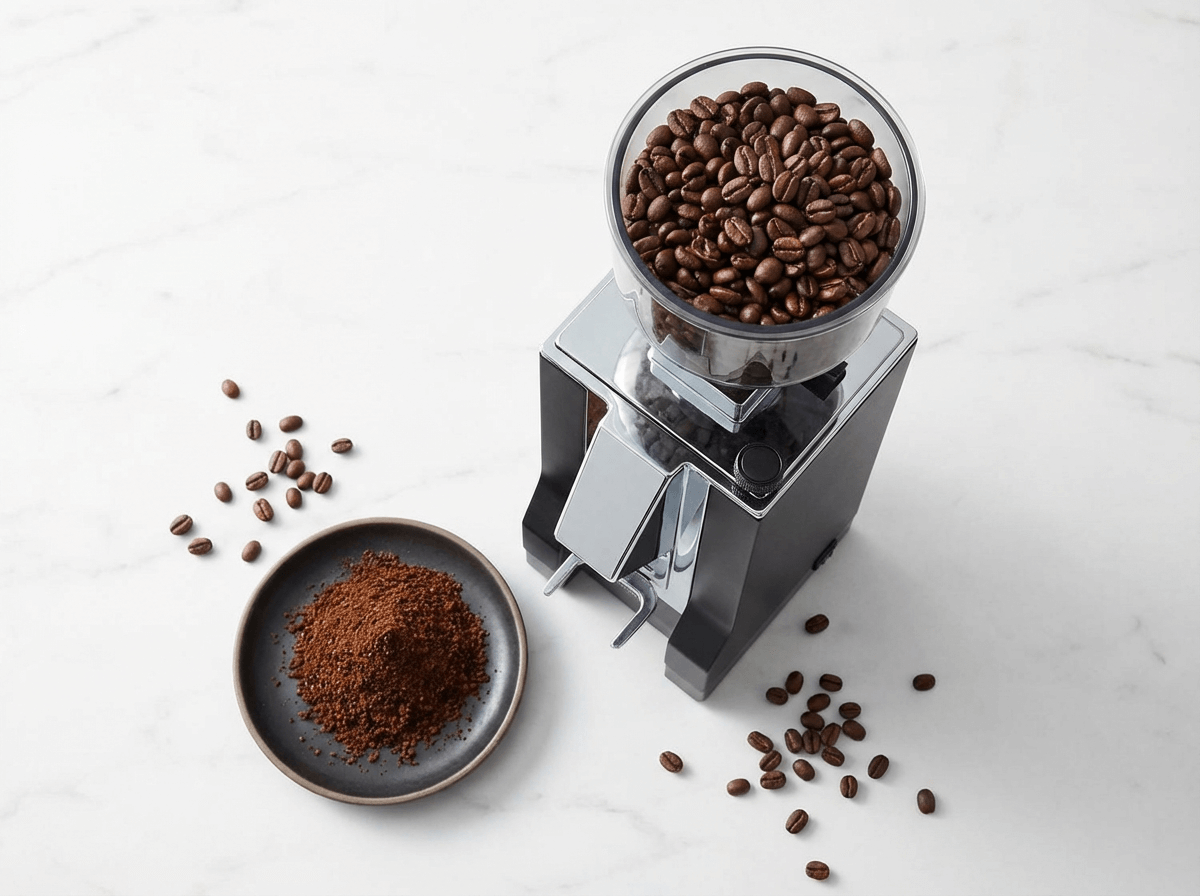
Buy whole bean if possible. Pre-ground decaf coffee goes stale noticeably faster. A basic burr grinder and fresh whole beans will make a bigger difference in how your cup tastes than switching to a fancier brand. Grind right before you brew for the best flavor and aroma.
Not sure what decaf coffee you'll like? The Cafy app lets you scan any packaged coffee to instantly see its tasting notes, roast level, and flavor profile — perfect when you're standing in the store aisle trying to decide between bags. You can also save your favorites and build a personal coffee library to track which decaf beans you want to buy again.
New to coffee entirely? Start with our guide to the best coffee for non-coffee drinkers before diving into decaf.
Frequently Asked Questions
Is decaf coffee actually caffeine-free?
No. Decaf coffee still contains small amounts of caffeine. The FDA requires at least 97% of caffeine to be removed for a coffee to carry the "decaffeinated" label. A typical 8-ounce cup of decaf has about 2–15 mg of caffeine, compared to roughly 95 mg in a regular cup.
The Swiss Water Process removes 99.9%, the highest of any method. For most people, the remaining trace amount won't cause noticeable effects. If you're extremely caffeine-sensitive or your doctor says to avoid it entirely, be aware that even the best decaf coffee isn't 100% caffeine-free.
Which decaf method is healthiest?
All four decaffeination methods are FDA-approved and considered safe. Swiss Water and CO2 are completely chemical-free, which gives some consumers extra peace of mind. Methylene chloride leaves only trace residuals that evaporate during roasting — the FDA has stated the risk is "essentially non-existent."
If avoiding synthetic chemicals matters to you, look for decaf beans labeled "Swiss Water Process," "Mountain Water Process," or "CO2 decaffeinated." Sugarcane/EA uses a naturally-derived solvent and is considered a safe middle ground.
Does decaf coffee taste worse than regular coffee?
Not anymore. Today's best decaf coffee beans — from specialty roasters using Swiss Water or sugarcane processing — genuinely rival regular coffee in flavor, body, and complexity. In blind cuppings, experienced tasters sometimes can't tell a well-made sugarcane decaf from its caffeinated equivalent.
The key factors are bean quality, freshness, and roast profile — not whether the coffee has caffeine. A fresh, well-roasted specialty decaf will taste better than a stale, mass-market caffeinated blend every time.
Can you make espresso with decaf beans?
Absolutely. Quality decaf coffee beans produce excellent espresso with rich crema and balanced flavor. One tip: decaf beans are slightly more porous due to the decaffeination process, so you may need a slightly coarser grind and some experimentation with your extraction time. Start with 18 grams in, 36 grams out in 25–30 seconds. The illy Classico Decaf on this list is specifically designed for espresso and makes dialing in easy.
Ready to discover your perfect coffee?
Download Cafy and scan any coffee to see tasting notes, roast levels, and more.
Download Free